










In a remarkable development that bridges historical medicine with modern endocrinology, researchers are uncovering new potential in one of the world’s oldest vaccines. The Bacillus Calmette-Guérin (BCG)
vaccine, originally developed over a century ago to combat tuberculosis (TB), is showing promising results in managing type 1 diabetes.
Recent clinical trials suggest that this repurposed vaccine could significantly reduce insulin dependency in patients, offering a glimmer of hope for millions living with this autoimmune condition.
The BCG vaccine, containing a weakened strain of Mycobacterium bovis, has long been known for its ability to stimulate the immune system. Beyond its primary role in preventing severe forms of TB, particularly in children, it has found applications in treating bladder cancer as an immunotherapy. Now, emerging evidence points to its benefits in autoimmune diseases like type 1 diabetes, where the body’s immune system mistakenly attacks insulin-producing beta cells in the pancreas.
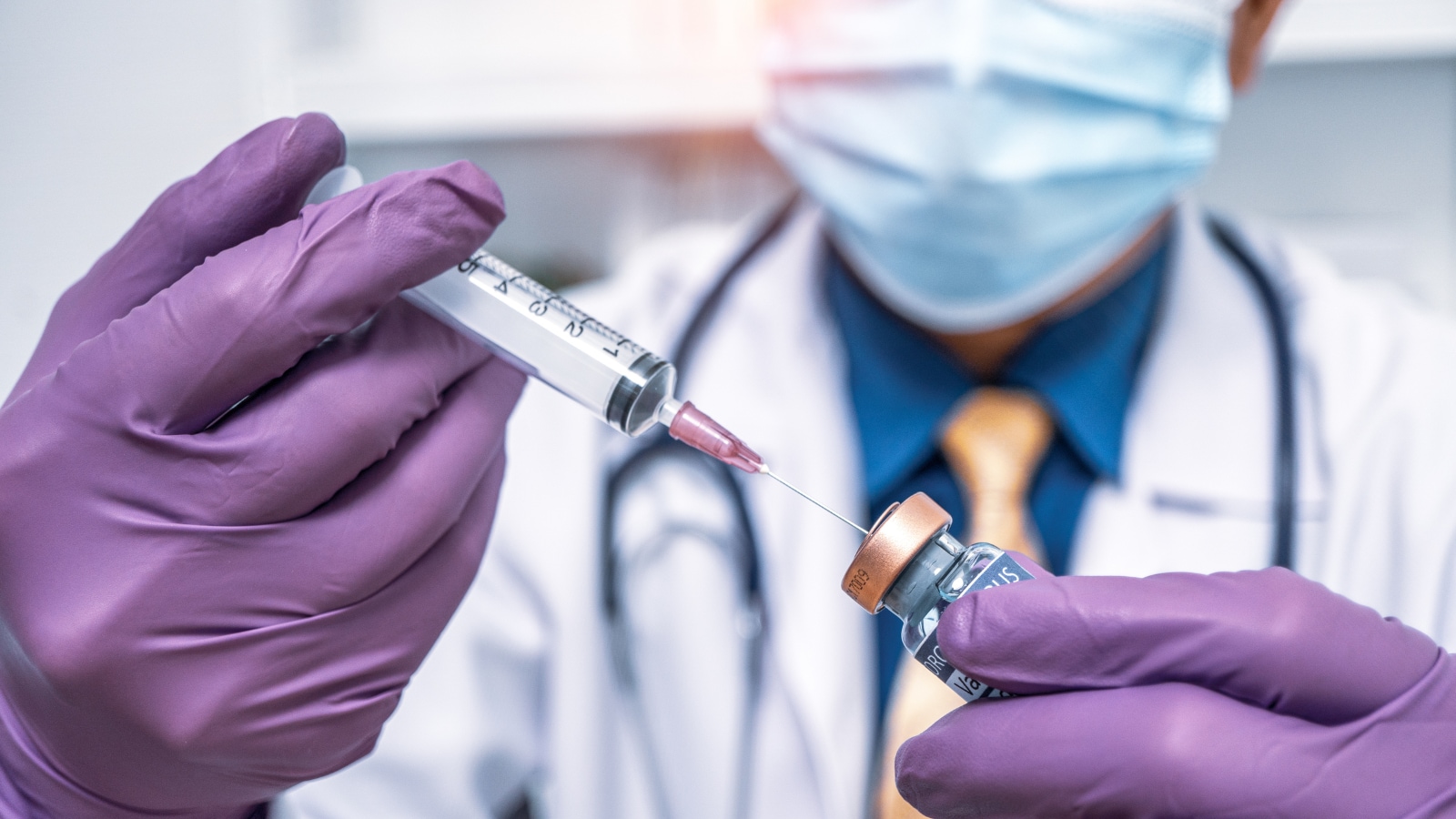
New trial results presented at scientific meetings indicate that BCG administration can lead to meaningful reductions in daily insulin requirements for people with type 1 diabetes, including those with juvenile-onset and latent autoimmune diabetes in adults (LADA). Led by researchers such as Dr. Denise Faustman at Massachusetts General Hospital, these studies build on years of investigation into BCG’s unique effects on metabolism and immunity.
What Are the Early Signs of Type 1 Diabetes?
Early detection is crucial. Symptoms often include excessive thirst, frequent urination, unexplained weight loss, fatigue, and blurred vision. If you or a loved one experience these, consult a healthcare professional promptly for blood sugar testing.
How Does BCG Vaccine Potentially Work for Diabetes Management?
BCG appears to influence the immune system by promoting regulatory T-cells and shifting metabolic processes. It may help “reset” parts of the immune response, reducing inflammation and supporting better blood sugar control without relying solely on external insulin. Trials have shown decreases in HbA1c levels, a key marker of long-term glucose control.
Who Might Benefit from BCG-Related Diabetes Research?
This approach is being explored for both adults with longstanding type 1 diabetes and newer pediatric trials. It’s particularly relevant for those with autoimmune diabetes variants, but experts emphasize it’s not a cure and requires further validation.
What Are the Risks and Considerations of Repurposed Vaccines Like BCG?
While BCG is generally safe and widely used globally, potential side effects include localized reactions at the injection site, mild fever, or, rarely, more significant immune responses. Individuals with compromised immune systems should exercise caution. Always discuss with a doctor before considering off-label uses.
Can Lifestyle Changes Complement Vaccine-Based Approaches for Diabetes?
Absolutely. A balanced diet low in processed sugars, regular physical activity, stress management, and consistent monitoring remain foundational. Combining these with emerging therapies could enhance outcomes.
The mechanism behind BCG’s potential in diabetes involves its ability to induce epigenetic changes and alter glucose metabolism pathways. In one notable study, participants receiving multiple doses of BCG exhibited sustained improvements in blood sugar regulation over several years. For instance, long-term follow-ups have reported clinically significant drops in HbA1c without increased hypoglycemia risks, making daily management easier.
This line of research, however, has not been without controversy. Some experts in the diabetes community have called for larger, more definitive randomized controlled trials to confirm efficacy and rule out placebo effects or biases. Dr. John Buse, an endocrinologist, has noted that while intriguing, proving utility on a broad scale would require substantial investment and rigorous study.
Despite skepticism, the accumulating data is compelling. Ongoing Phase II trials, including those targeting children aged 8-18 with new-onset type 1 diabetes, aim to provide clearer insights. Over 200 adults have already participated in related studies, with expansions into pediatric populations underway. These efforts could pave the way for BCG as an adjunct therapy, potentially reducing the burden of constant insulin injections and associated complications like cardiovascular disease, neuropathy, and kidney damage.
Type 1 diabetes affects millions worldwide, with approximately 2 million cases in the U.S. alone. Traditional management relies on insulin therapy, continuous glucose monitors, and lifestyle adjustments, but these do not address the underlying autoimmune attack. BCG’s multifaceted immune-modulating properties—previously harnessed for cancer—offer a novel angle by potentially restoring some immune balance and supporting beta-cell function indirectly.
Experts like Faustman highlight how this could transform perspectives on diabetes care: achieving better control without new gadgets or expensive drugs. However, BCG is not a standalone solution. It represents one piece in a larger puzzle that includes beta-cell regeneration research, immunotherapy advancements, and personalized medicine.