






Mineral oil is one of the most commonly used ingredients in personal care products. Highly refined, cosmetic-grade mineral oil has been used for over a century because it delivers reliable, well-understood
benefits across both skin and hair care.
Many of the concerns surrounding mineral oil stem from long-standing misconceptions. Questions about its safety are often raised without strong scientific rationale. Modern cosmetic-grade mineral oil is highly refined, contains minimal impurities, and is subject to stringent purification standards. Its continued presence in dermatological and pharmaceutical formulations reflects a proven safety profile rather than mere legacy use. Regulatory bodies worldwide have established clear standards to ensure the appropriate quality of mineral oil used in personal care formulations.
Dr Punit Saraogi, leading dermatologist and Founder of Everything Skin & Hair, shares his expert insights:
Why Mineral Oil Works
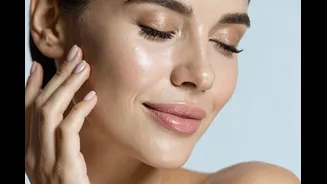
Mineral oil’s primary benefit lies in its ability to support the skin barrier. Acting as an occlusive agent, it forms a protective layer on the skin’s surface that helps reduce transepidermal water loss (TEWL). This function is particularly valuable for dry, sensitive, or environmentally stressed skin, where maintaining hydration is essential for comfort and resilience.
Its action is largely confined to the outermost layer of the skin, and it is inert by nature. This is one of the key reasons mineral oil continues to be widely used in baby care and therapeutic skincare formulations.
Beyond hydration, mineral oil enhances skin softness and smoothness, leading to a noticeable improvement in skin texture and feel. It also helps maintain optimal moisture levels, leaving the skin soft and supple.
In hair care, mineral oil performs a similar role. By coating the hair shaft, it helps reduce surface roughness, control frizz, and enhance shine. When used judiciously in formulations, it delivers a lightweight finish, making it suitable for both treatment and styling applications.
Stability, Safety, and Consistency
One of mineral oil’s most important yet often understated, advantages is its chemical stability. It does not easily oxidise, degrade, or turn rancid over time, ensuring consistent performance throughout a product’s shelf life.
High-purity cosmetic-grade mineral oils are rigorously refined to eliminate impurities, making them safe for repeated topical use. This level of refinement, combined with its inert nature, explains why mineral oil remains a preferred ingredient in formulations designed for long-term use and for sensitive populations.
A Practical Advantage in Modern Formulations
Mineral oil’s affordability and widespread availability make it accessible without compromising quality. More importantly, its predictable behaviour allows formulators to design products with precision and reliability. In an era where personal care products are expected to perform consistently across different climates, skin types, and usage patterns, this dependability is a significant advantage.
It is also worth noting that mineral oil does not compete with natural oils so much as it complements them. In well-balanced formulations, it often plays a supportive role, enhancing barrier function and sensorial experience while allowing other active ingredients to perform optimally.
Mineral oil continues to meet the evolving needs of modern skin and hair care. Its benefits, hydration retention, barrier protection, smoothness, and stability are delivered without unnecessary complexity.
In a personal care landscape increasingly driven by ingredient trends, mineral oil stands apart for a different reason. Its value has been proven quietly over time through consistent performance and safety rather than reinvention. For dry or sensitive skin, and for hair prone to frizz and roughness, it remains a dependable ally, understated, effective, and very much relevant.