
Obesity today is no longer seen as just a personal health issue. It has become one of the biggest contributors to lifestyle diseases across the world. Heart issues, diabetes, low energy, rising medical
costs and the list goes on.
Amid this, Japan has come up with its own unique way to tackle obesity with an approach that is less like damage control and more like long-term care. A recent Instagram post brought attention to a lesser-known Japanese policy that shows how early intervention can change the way people think about their bodies.
What Is the Metabo Act?
Back in 2008, Japan launched the Metabolic Syndrome Countermeasures Act, often referred to as the “Metabo Act.” The idea was not to fight obesity with strict rules but to identify health risks early and guide people before serious diseases develop.
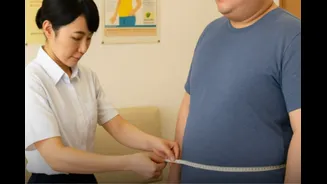
Under this system, all citizens between the ages of 40 and 74 undergo annual health checkups. One key part of these checkups is waist measurement. According to Gaya One, this “mandatory as an indicator of health status.”
For men, a waist size above 85 cm is considered a risk marker. For women, the number is 90 cm. Crossing these limits does not result in punishment or any fines. Instead, individuals are offered free nutrition counselling, exercise guidance and follow-up programmes.
As clearly stated in the post, “It’s early intervention, not punishment.”
View this post on Instagram
A Mindset That Gave Birth To Metabo Act
In Japan, the idea of looking after your health early is part of everyday thinking. People don’t wait to fall seriously ill before paying attention.
Around the early 2000s, health experts noticed that problems linked to metabolic syndrome were becoming more common. Diabetes and heart disease were showing up often years before people realised anything was wrong. Instead of dealing with the damage later, the focus shifted to stepping in sooner.
The government set up the system but offices and companies were also expected to help. Workplaces slowly began to include simple movement routines, short health sessions and basic nutrition awareness.
Over time, employee health stopped being seen as just a personal issue. It became something connected to work efficiency, fewer health-related absences and overall stability.
After the law came into effect, millions of people started receiving regular checkups and personalised advice. According to the post, the country has one of the lowest obesity rates on the planet (4 per cent).
How People Reacted
The post’s comment section saw a wide range of opinions.
One user wrote, “Japan truly is one of the greatest nations in the world. Respect.”
Another commented, “It’s not only the government’s job but every individual’s responsibility to eat healthy, feel healthy, look healthy so that the nation is also healthy.”
“We all need this intervention. It would save so much suffering from these lifestyle diseases. And reduce the pressure on the medical system!!” someone else added.
Some raised practical questions too with a person asking, “So… how will sumo wrestlers be classified? Yes, they might be fit from their wrestling, but this is a cultural tradition. What happens to all these guys??”
“I think this is really clever, treating the root cause and not the long term health conditions. They all appear to be involved in their country’s health and longevity of the people,” read another comment.
Why Many Believe This Won’t Work In West
The post also explained why such a system might struggle elsewhere. According to it, “Western nations value personal freedom above collective responsibility. Most people reject mandatory screenings. Healthcare systems profit from treatment, not prevention. And obesity rates are far higher, making enforcement impossible.”
Key Takeaways
The post pointed out that this way of thinking doesn’t need a law to be followed. It suggested shifting focus from body weight to waist size. Instead of aiming for visual changes, people should look for reducing visceral fat that affects the heart and metabolism.
It also highlighted the importance of regular movement as part of daily life. Simple habits like walking more and staying active throughout the day were mentioned as key. Portion awareness was another point raised as it encourages people to be mindful of how much they eat rather than following extreme diets.
Above all, the post stressed stepping in early. Paying attention to small changes and acting on them sooner was shown as a way to prevent bigger health issues from developing over time.