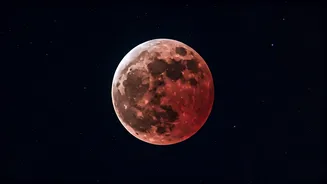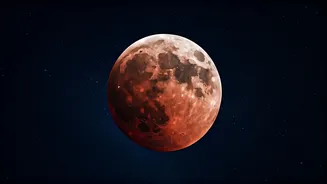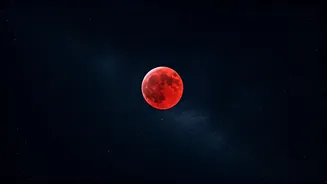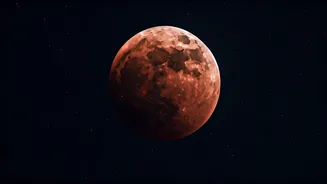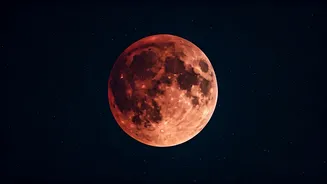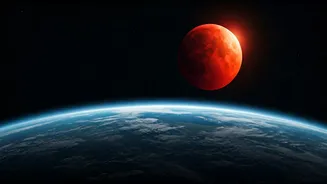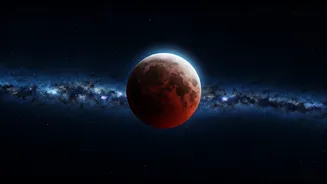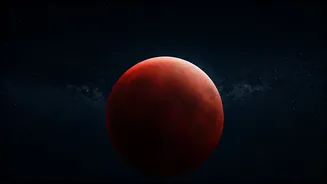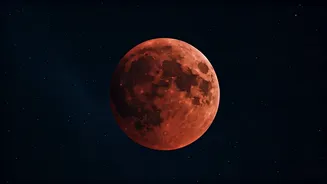






A rare celestial show is coming and this time, India gets a front-row view. On March 3, 2026, the first total lunar eclipse of the year will light up the evening sky. Known in India as Chandra Grahan,
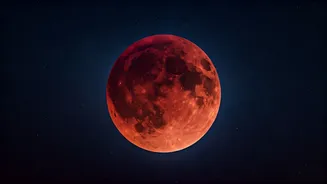
the Moon will briefly glow deep red, a sight often called the Blood Moon.
Lunar eclipses occur several times globally each year, but not all are visible from India. That makes this one special. And the best part? You don’t need any equipment, just clear skies and a view of the horizon.
Here’s where to travel in India for the best view. But first:
What Is A Blood Moon?
A total lunar eclipse happens when the Earth passes directly between the Sun and the Moon, casting its shadow across the lunar surface. Sunlight passing through Earth’s atmosphere filters red light onto the Moon, making it appear copper-red.
This glowing effect is what gives the phenomenon its dramatic name: the Blood Moon. Unlike solar eclipses, lunar eclipses are completely safe to watch with the naked eye.
Lunar Eclipse 2026: Date And Time In India
According to astronomical data in Indian Standard Time (IST):
Start of eclipse (penumbral phase): 4:58 PM
Totality phase: 4:58 PM to 5:32 PM
Maximum eclipse: around 5:10 PM to 5:25 PM (varies by city)
End of penumbral phase: 7:53 PM
However, there’s an important detail.
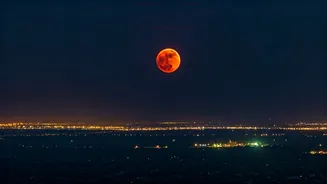
In most parts of India, the Moon will rise during the eclipse. This means many regions will only see the final stage of the event — typically for about 20 minutes around moonrise.
So you don’t need to stay up late. Just step outside at dusk and look east.
Best Places To See The Lunar Eclipse In India
Northeast India: The Best Viewing Region
If you want the most dramatic view, head to Northeast India. Several cities here are expected to experience full totality, meaning the Moon will be completely covered by Earth’s shadow at some point.
Top viewing cities include:
- Dibrugarh
- Dispur
- Guwahati
- Itanagar
- Shillong
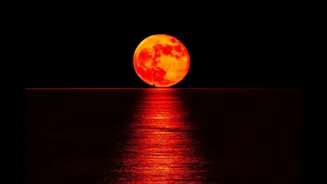
Here, the eclipse begins in the afternoon and continues into evening, with maximum totality around sunset. You may actually see the Moon rise already glowing red, a rare and unforgettable sight.
Travel tip: choose elevated viewpoints, riverbanks or open hill landscapes for a clear horizon.
Eastern India: Partial But Beautiful
Cities such as Kolkata, Bhubaneswar and Patna will see the late total or partial phases at moonrise.
While the deepest red phase may be ending, you can still watch the Moon gradually brighten as it emerges from Earth’s shadow — a beautiful transition for photographers.
Best spots: riverfront promenades, terraces or open parks.
North & Central India: Brief Eclipse View
Cities like Delhi, Jaipur, Lucknow and Bhopal will mostly witness the ending partial phase.
Even though totality will have passed, the visual transition at moonrise still makes for a memorable skywatching moment, especially from open landscapes or lakefronts.
Western & Southern India: Final Phase At Dusk
Mumbai, Ahmedabad, Chennai, Bengaluru and Hyderabad will also see only the final stages.
But coastal and waterfront locations make stunning viewing points. Imagine the rising Moon glowing faintly red over the sea.
How To Watch The Lunar Eclipse
Watching is simple:
No special glasses needed
Find a clear eastern horizon
Avoid bright city lights if possible
Binoculars can enhance detail (optional)
Rooftops, beaches, hilltops and open fields are ideal.
Why This Eclipse Is Special For India
Not every lunar eclipse is visible here, which makes March 3 particularly exciting. While the visible window may be brief for many regions, it’s still a rare astronomical event that can be enjoyed without any preparation.