

What is the story about?
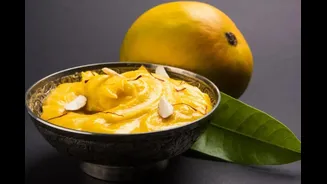
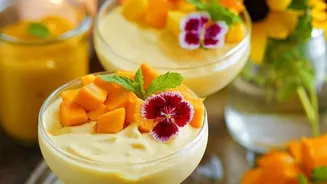
Mango pudding is the ultimate summer dessert, creamy, fragrant, and bursting with the fresh sweetness of ripe mangoes. This simple, one‑pot recipe turns just a handful of ingredients into a silky and decadent
treat that is light on the palate.
Perfect for quick family desserts, party gatherings, or a chilled midnight snack, this mango pudding comes together easily on the stovetop and sets beautifully in the fridge. With its glossy texture, subtle sweetness, and tropical aroma, it’s the kind of dessert that makes every spoonful feel like a mini summer celebration. This recipe was shared by a food account (@chaispicekitchen) on Instagram.
View this post on Instagram
Mango Pudding Recipe
INGREDIENTS:
- Mango – 2 Ripe mangoes
- Milk – 1 and 1/2 cup + 4 tbsp
- Sugar – 1/2 cup
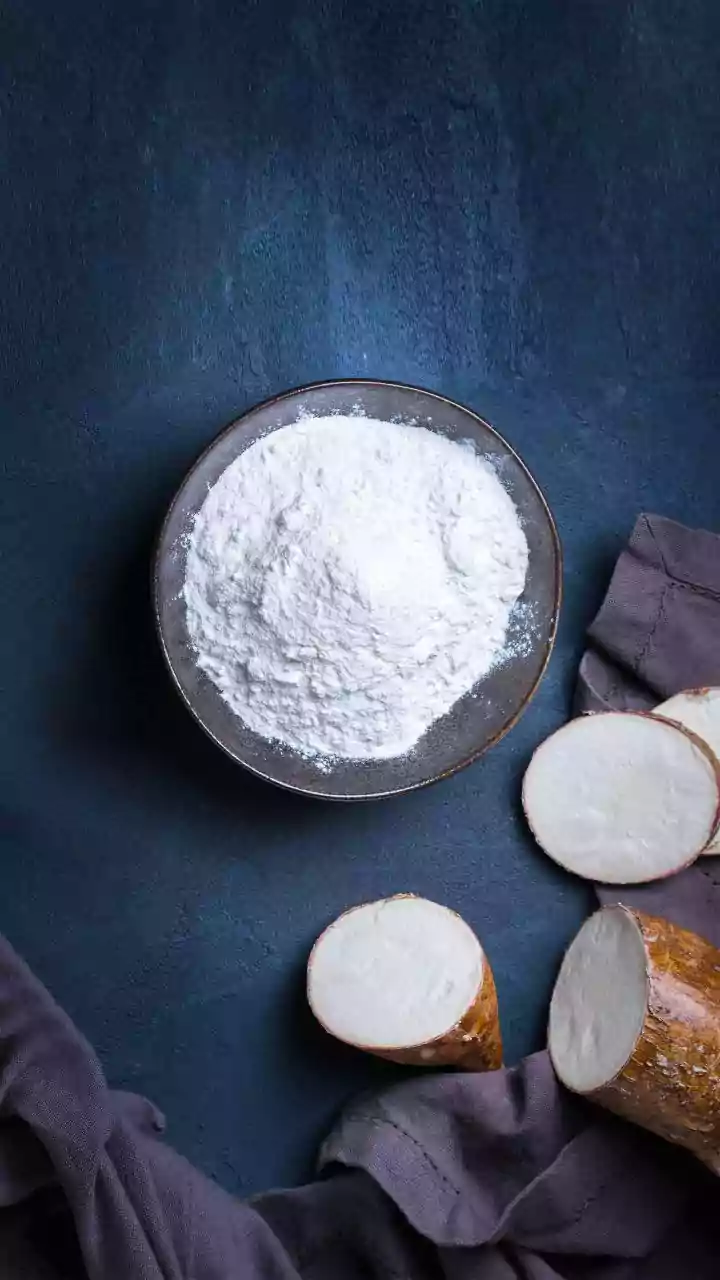
- Corn flour – 5 tbsp
- Lemon – 4 to 5 drops
METHOD:
- Step 1: Prepare the mango
Use 2–3 ripe, fragrant mangoes for a rich, creamy pudding. Peel away the outer skin and slice the flesh into chunks, discarding any fibrous bits and the central stone. - Keep the mango pieces aside—this will ensure a smooth, pleasant texture without any stringiness in the final pudding.
- Step 2: Blend the mango mixture
In a blender jar, add the mango chunks, cold milk, and sugar (adjust to taste). Blend on high speed until you get a completely smooth, lump‑free paste with a glossy finish. - If the mixture feels too thick, you can add a splash more milk to loosen it slightly so it blends evenly.
- Step 3: Cook the mango puree
Pour the blended mango‑milk mixture into a heavy‑bottomed kadai or saucepan and place it over medium heat. Stir occasionally and bring the mixture to a gentle boil, ensuring it doesn’t stick to the bottom. - Maintain a steady simmer so the flavours meld and the raw taste of the mango softens.
- Step 4: Make the cornflour slurry
In a small bowl, mix cornflour with a little cold milk, stirring continuously to dissolve any lumps. Keep mixing until you have a smooth, thin slurry that pours easily. - This step is crucial to prevent graininess; lumpy cornflour will create a rough texture in the pudding.
- Step 5: Thicken the pudding
Once the mango puree is warm and simmering, slowly pour in the cornflour slurry while stirring constantly. Cook on low to medium flame, stirring continuously, until the mixture thickens slightly and coats the back of a spoon. - The pudding should be pourable but not runny; avoid overcooking, as it will thicken further as it cools.
- Step 6: Finish with lemon juice
Switch off the heat and add 4–5 drops of fresh lemon juice to the pudding, stirring gently to combine. The lemon juice brightens the flavour and cuts the sweetness slightly, giving the pudding a more balanced, refreshing taste. - Do not add too much or the milk may curdle.
- Step 7: Cool and chill
Transfer the warm mango pudding into a serving bowl or individual ramekins and let it cool to room temperature for about 15–20 minutes. Then cover the bowl with cling film (resting it directly on the surface to prevent a skin from forming) and place it in the refrigerator. - Allow it to set for at least 1 hour, or freeze for around 1 hour if you prefer a firmer, more ice‑cream‑like texture.
- Step 8: Serve and enjoy
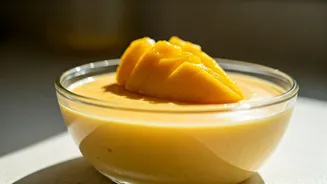
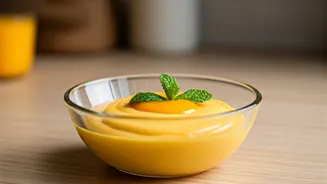
Once chilled and set, the pudding will have a smooth, slightly jiggly consistency. - Remove it from the fridge, garnish with a few mango cubes or a swirl of whipped cream if desired, and enjoy this light, creamy mango pudding as a perfect summer dessert.