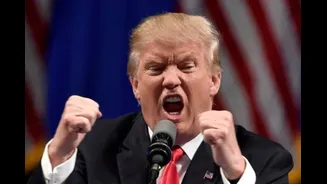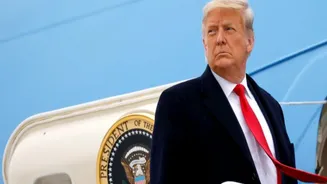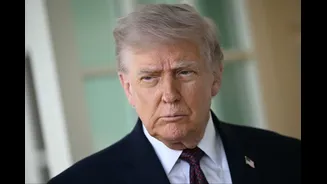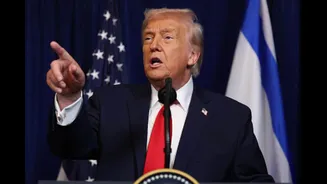


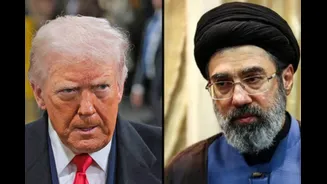
US President Donald Trump has said a final agreement between the United States and Iran could be reached “in the next day or two”, Axios reported. Speaking in a brief phone interview, he said both sides
are likely to meet over the weekend and finalise a deal to end the ongoing war.
Trump said the Iranians are willing to engage and are keen to reach an agreement. “The Iranians want to meet. They want to make a deal. I think a meeting will probably take place over the weekend,” he said.
Three-page peace plan under discussion
Officials familiar with the negotiations said both countries are now close to agreeing on a three-page peace plan. While there has been steady progress, key differences remain unresolved.
One major proposal under discussion involves the US releasing around $20 billion in frozen Iranian funds. In return, Iran would give up its stockpile of enriched uranium. However, Trump later said that “no money will change hands”, without directly referring to this proposal.
Talks in Islamabad again
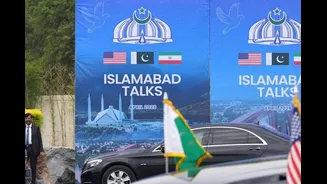
Negotiators are expected to meet in Islamabad, likely on Monday, April 20, as part of the next round of discussions. Pakistan once again is mediating the talks, with support from Egypt and Turkey. The talks aim to bridge the remaining gaps and move towards a final agreement.
What are the key issues?
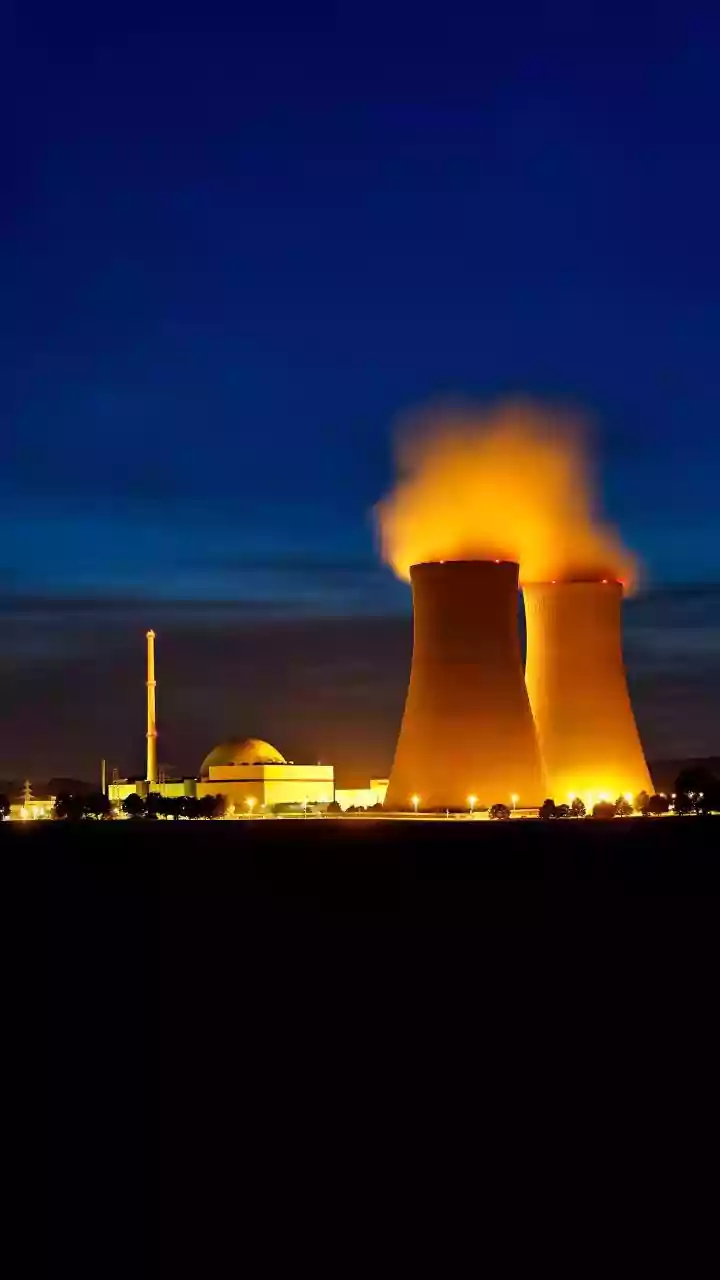
A major concern for the US is Iran’s stockpile of enriched uranium, including nearly 2,000 kilograms stored in underground facilities. About 450 kilograms of this is enriched to 60% purity.
The US has asked Iran to transfer all its nuclear material out of the country. Iran, however, has proposed reducing the enrichment level within its own territory.
A compromise being discussed includes sending some of the material to a third country, while reducing the rest under international monitoring.
Disagreement over uranium enrichment
Another point of disagreement is the duration of a pause on uranium enrichment. The US has pushed for a 20-year suspension, while Iran has offered a five-year limit. Negotiators are still working to close this gap.
The draft plan also includes a voluntary pause on enrichment and allows Iran to operate nuclear research reactors for medical purposes. It also proposes that all nuclear facilities should be above ground, with underground sites remaining unused.
Strait of Hormuz and blockade
The Strait of Hormuz is also part of the discussions, though differences remain. Iran has said it will keep the route open during the ceasefire, which is set to end on April 21.
Trump has made it clear that the US naval blockade will continue until a deal is finalised, while stressing that the strait should remain open for global shipping.
Trump said the agreement would ensure security for Israel and added that Israel would “come out great” from the war. He also called for Israeli strikes on Lebanon to stop as part of the ceasefire.
Despite progress, officials say the outcome remains uncertain as both sides continue to negotiate over critical issues.