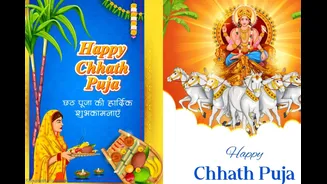





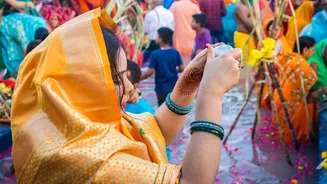

Chhath Puja 2026 Kharna: Chhath Puja 2026 Kharna will be observed on Saturday, November 14, marking the second day of the four-day festival dedicated to Surya Dev (the Sun God) and Chhathi Maiya. Also
known as Lohanda, Kharna is an important ritual during which devotees observe a day-long fast and prepare traditional offerings before beginning the rigorous Nirjala vrat.
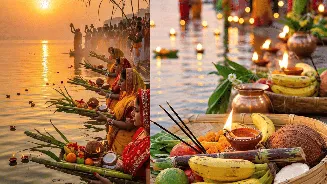
Celebrated with immense devotion, particularly in Bihar, Jharkhand, eastern Uttar Pradesh and parts of Nepal, Chhath Puja is associated with prayers for family well-being, prosperity and the health and longevity of children. The festival involves several rituals, including purification, fasting and offering Arghya to the setting and rising Sun.
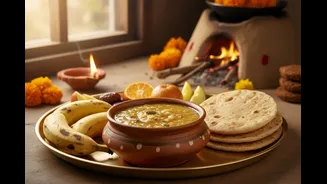
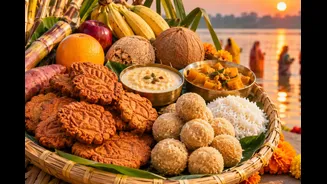
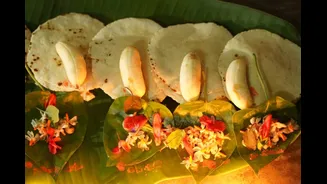
Kharna holds special significance as it marks the transition from the initial preparations of Nahay Khay to the more demanding fasting period. On this day, devotees prepare a traditional prasad consisting of Rasiyaav (jaggery-based rice kheer), wheat roti and fruits. The offerings are first presented to the deities, after which the vratin consumes the prasad and distributes it among family members and others.
Read More: Chhath Puja 2026: Why Devotees Worship The Setting And Rising Sun
According to Drik Panchang, Kharna will fall on November 14, 2026. Here is everything to know about its religious significance, traditional prasad, puja rituals and fasting rules.
Kharna Timing And Date
- Kharna Date: Saturday, November 14, 2026
- Sunset / Evening Puja Time: Around 05:28 PM
Chhath Puja 2026: Four-Day Festival Schedule
Chhath Puja is observed over four days, with each day carrying its own religious significance and rituals.
- November 13, Friday – Nahay Khay: Devotees take a holy bath, clean their homes and prepare a traditional sattvik meal.
- November 14, Saturday – Lohanda and Kharna: Devotees observe a daytime fast and perform evening prayers before consuming Kharna prasad.
- November 15, Sunday – Sandhya Arghya: Devotees offer Arghya to the setting Sun while standing in water.
- November 16, Monday – Usha Arghya and Parana: Devotees offer prayers to the rising Sun and conclude the Chhath fast.
Read More: Chhath Puja 2026: Date, Calendar, Shashthi Tithi, Sunrise And Sunset Timings
What Is Kharna During Chhath Puja?
Kharna is the second day of Chhath Puja and is also known as Lohanda. The word is associated with the traditional observance of fasting and preparing sacred food offerings.
On this day, devotees observing the Chhath vrat, known as vratins or parvaitins, maintain a fast throughout the day. They generally abstain from food and water until the evening.
After sunset, the vratin performs prayers and offers specially prepared prasad to Surya Dev and Chhathi Maiya. The prasad is then consumed by the devotee, marking the completion of the Kharna fast.
The ritual is considered an important stage of spiritual preparation before the approximately 36-hour Nirjala vrat that follows.
Read More: Chhath Puja 2026: How To Make Thekua At Home? Check Ingredients And Traditional Recipe
Significance of Kharna During Chhath Puja
Kharna is considered one of the most important observances of Chhath Mahaparv. It represents devotion, self-discipline, purity and preparation for the rigorous fasting rituals.
Here are some important aspects of its religious significance:
Purification of Mind and Body
Following Nahay Khay, devotees continue to maintain cleanliness and discipline in their daily activities. The emphasis is on maintaining a peaceful mind, avoiding distractions and preparing spiritually for the upcoming rituals.
Prayers to Surya Dev and Chhathi Maiya
In the evening, devotees offer prayers to Surya Dev and Chhathi Maiya. Through these rituals, they seek blessings for the well-being of their families, prosperity, good health and the protection of their children.
Beginning of the Nirjala Vrat
Kharna marks the transition to the strict fasting period of Chhath Puja. After consuming the evening prasad, devotees begin the Nirjala vrat, during which they abstain from food and water until the conclusion of the fast after Usha Arghya.
Read More: Chhath Puja 2026: Complete Samagri List – What Items Are Required For Worship?
Importance of Prasad and Sharing
The Kharna prasad is prepared with devotion and offered to the deities before being consumed by the vratin. It is subsequently distributed among family members, relatives and other devotees as a sacred offering.
Kharna 2026: Traditional Prasad and Food Preparations
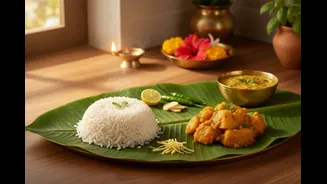
The preparation of Kharna prasad is an essential part of the second day of Chhath Puja. The food is traditionally prepared without onion, garlic or regular salt, following the sattvik customs observed by devotees.
The traditional Kharna offering generally includes the following:
Rasiyaav or Gud Ki Kheer
Rasiyaav is a traditional rice pudding prepared using rice, fresh milk and jaggery (gur). Unlike regular kheer, which is often sweetened with sugar, the traditional Kharna preparation uses jaggery to give it its distinctive taste.
It is one of the most important offerings prepared for the evening ritual.
Wheat Roti or Sohari
Wheat roti, also known as Sohari in some regions, is prepared using wheat flour and water. The rotis are generally made without salt and may be brushed with pure desi ghee.
They are served alongside the jaggery-based rice kheer as part of the traditional Kharna meal.
Read More: Chhath Puja 2026: Who Is Chhathi Maiya? Know The Story, History And Significance
Bananas and Seasonal Fruits
Bananas and other seasonal fruits may also be included in the Kharna offerings. Their inclusion depends on regional and family traditions.
Traditional Cooking Practices
Cleanliness and purity are considered essential while preparing the prasad. In many traditional households, the food is prepared using dedicated utensils and a separate cooking area.
Some families following stricter customs prepare the prasad on an earthen stove using mango wood or other clean firewood. However, cooking methods and utensils can vary across households and regions.
Kharna Puja Vidhi: Rituals to Follow on November 14
The second day of Chhath Puja involves fasting, preparing the sacred offering and performing evening prayers.
Here is how the traditional Kharna observance is generally followed:
Observe a Daytime Fast
The vratin begins the day with a commitment to fasting and follows the prescribed dietary restrictions. Traditionally, no food or water is consumed until the evening prayers.
Read More: Chhath Puja: Are There 4 Types? Know About Kartik, Chaiti And More
Prepare the Kharna Prasad
The kitchen and cooking utensils are thoroughly cleaned before preparing the traditional Rasiyaav and roti. The food is prepared with devotion while maintaining the required cleanliness and purity.
Perform Evening Prayers
After sunset, the vratin offers prayers to Surya Dev and Chhathi Maiya. The prepared kheer, roti and fruits are presented as prasad.
Consume the Prasad
Once the prayers and offerings are completed, the vratin consumes the Kharna prasad. This marks the end of the daytime fast.
Distribute Prasad Among Family Members
After the vratin has consumed the offering, the prasad is distributed among family members, relatives and other devotees.
Begin the Nirjala Fast
After completing the Kharna meal, devotees begin the strict Nirjala vrat. They abstain from both food and water during the subsequent observance until the morning Arghya on November 16.
Chhath Puja Kharna Fasting Rules: What Devotees Should Follow
Kharna involves specific fasting and dietary practices that devotees follow according to their family traditions.
Some important rules include:
- Fast throughout the day: The vratin traditionally observes a fast without food or water until the evening.
- Maintain cleanliness: The kitchen, utensils and cooking area should be kept clean while preparing the sacred offering.
- Avoid onion and garlic: Kharna prasad is traditionally prepared using sattvik ingredients without onion and garlic.
- Prepare fresh prasad: Rasiyaav, roti and other offerings are prepared fresh for the evening ritual.
- Consume prasad after prayers: The vratin breaks the daytime fast only after completing the evening prayers and offering the prasad.
- Begin the Nirjala vrat: The strict fast without food and water begins after the Kharna meal and continues until Usha Arghya and Parana.
When Does the 36-Hour Nirjala Fast Begin During Chhath Puja 2026?
The approximately 36-hour Nirjala fast begins after the vratin consumes the Kharna prasad on the evening of Saturday, November 14.
During this period, devotees abstain from food and water while continuing their prayers and religious observances.
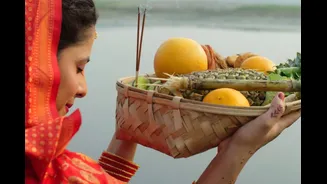
On Sunday, November 15, devotees observe Sandhya Arghya and offer prayers to the setting Sun. They generally stand in a river, pond or other water body while making the offering.
The final day, Monday, November 16, is dedicated to Usha Arghya. Devotees offer prayers to the rising Sun and conclude their fast after completing the morning rituals. This is followed by Parana, which marks the completion of the Chhath vrat.
Why Is Kharna Important in Chhath Puja?
Kharna is more than a fasting ritual; it is an important expression of faith, devotion and self-discipline. The day prepares devotees for the demanding observances that follow and reinforces the significance of purity in Chhath Puja.
The preparation of Rasiyaav and roti, evening prayers and distribution of prasad also bring families and communities together. Through these customs, devotees express gratitude to Surya Dev and Chhathi Maiya while seeking blessings for their loved ones.
As the festival moves towards Sandhya Arghya and Usha Arghya, Kharna serves as a significant spiritual milestone in the four-day Chhath Mahaparv.