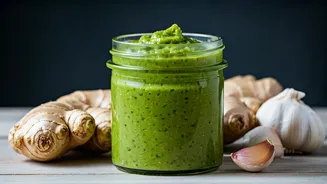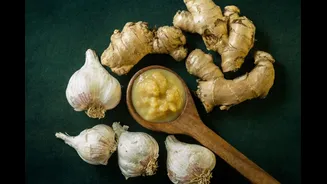


There is nothing more frustrating than opening your fridge, only to find your homemade ginger-garlic paste has turned an odd greenish-blue. It looks off, smells slightly sharp, and suddenly, using it in your food
doesn’t feel right.
This is a common kitchen problem, especially for those who prefer making paste in batches to save time. But what many don’t realise is that this colour change is not random. It’s often the result of small, overlooked mistakes in how the paste is prepared and stored.
However, fixing it does not require fancy ingredients or complicated steps—just a few smart tweaks rooted in traditional kitchen wisdom.
The Common Mistake That Spoils Your Paste
One of the biggest reasons ginger-garlic paste changes colour is moisture. Many people add water while grinding to make the process easier. But this excess moisture speeds up spoilage and triggers colour changes.
The Simple Tricks That Keep It Fresh
A time-tested kitchen method can help keep your paste fresh, flavourful, and colour-stable for longer:
Skip the water completely: Always use dry ginger and garlic while grinding. Moisture is the main culprit behind spoilage.
Add a little salt: About half a teaspoon of salt acts as a natural preservative and helps prevent bacterial growth.
Use oil while grinding: Adding 2–3 teaspoons of oil creates a protective layer around the paste, reducing its exposure to air and preventing discolouration.
For longer storage, add vinegar: A teaspoon of white vinegar can help the paste stay fresh and retain its natural colour for up to 2–3 months.
The way you store the paste can also impact its shelf life. Switching from plastic containers to glass jars can help maintain freshness. Adding a thin layer of oil on top before sealing the jar further prevents air exposure.
If you want to make things even easier, freeze the paste in ice cube trays. Once frozen, transfer the cubes into zip-lock bags. This way, you can use just one portion at a time.