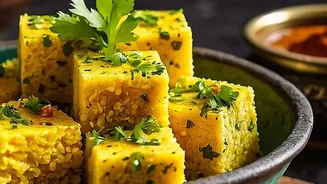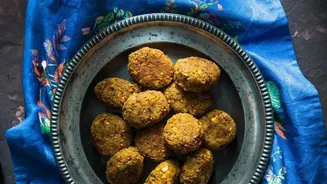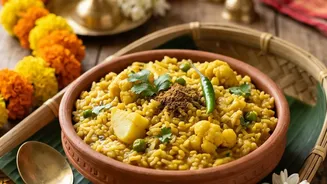



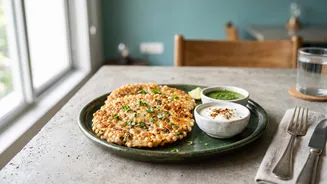

Looking for a satisfying vrat-friendly dish to add to your Navratri menu? The Gujarati special Handvo brings together samak rice and rajgira flour with potato, peanuts, curd and warming spices for a savoury
treat that is crisp on the outside and soft within. Cooked on a tawa with just a little oil or ghee, it offers a change from the usual puris and fried snacks. Serve it hot with chutney or curd for a comforting meal during the fast.
What are Navratri’s fasting rules?
Navratri fasting is traditionally observed as a period of discipline and devotion. The food rules, however, are not identical everywhere. Ingredients permitted during a vrat can differ according to regional customs, family traditions and the particular type of fast being followed.
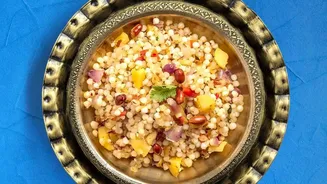
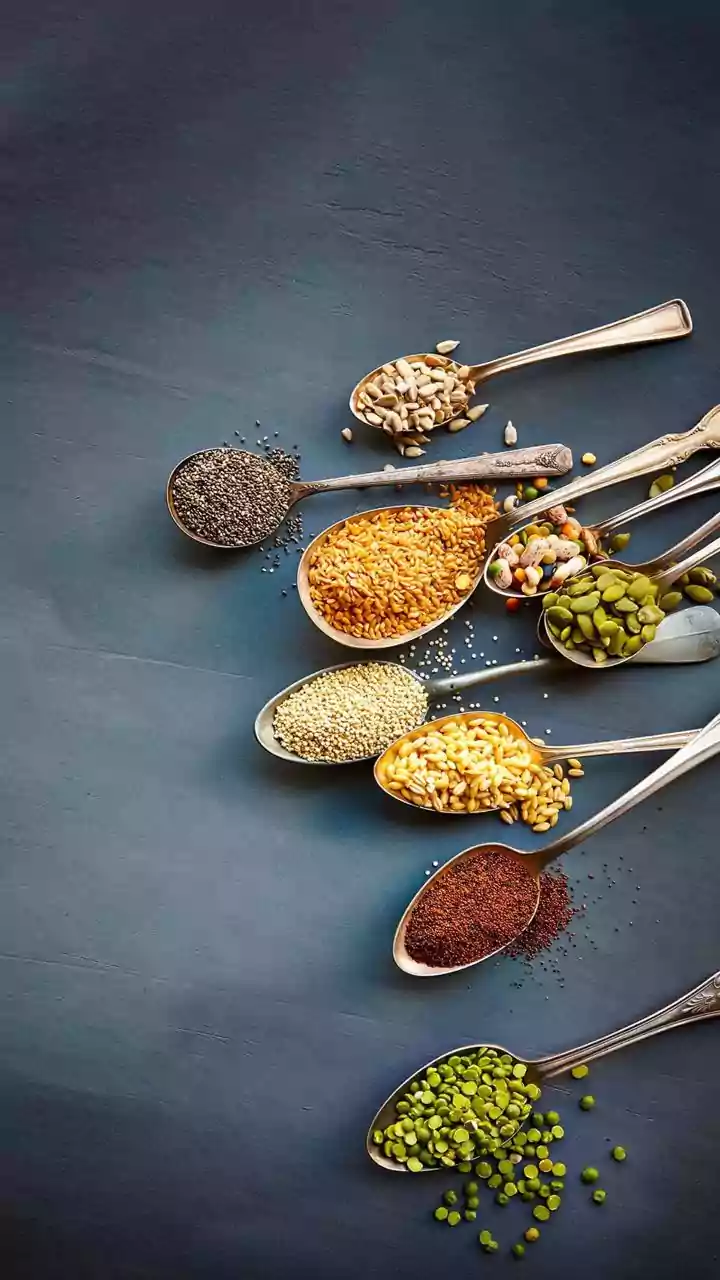
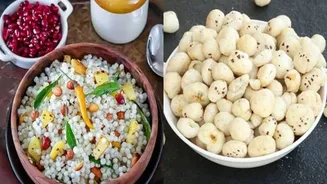
During Navratri, many devotees avoid regular wheat and rice and instead use vrat-friendly grains and flours such as kuttu (buckwheat), singhara (water chestnut), rajgira (amaranth), samak rice (barnyard millet) and sabudana (tapioca pearls) to prepare dishes like kuttu rotis, singhara puris, samak rice preparations and sabudana khichdi.
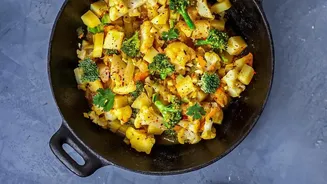
Fresh fruits—including apples, bananas, pomegranates, papaya, oranges, guava, grapes and melons—are also commonly eaten, providing fluids and carbohydrates when meals are limited. Vrat-friendly vegetables may include potatoes, sweet potatoes, pumpkin, bottle gourd, arbi, raw banana, cucumber and carrots.
Depending on individual and family fasting practices, these can be boiled, roasted or lightly cooked instead of relying heavily on deep-fried preparations
This recipe was shared by food content creator Chef Shreya Agarwala on Instagram.
Recipe for Farali Handvo (Samak–Rajgira)
Ingredients:
• 1 cup samak rice (soaked 2–3 hrs)
• 1½ cup rajgira flour
• ½ cup curd
• 1 boiled potato (grated)
• 4 tbsp crushed peanuts
• 1 tsp ginger–green chili paste
• 1 tsp sugar
• Sendha namak to taste
• ½ tsp cumin seeds
• ½ tsp sesame seeds (optional)
• Few curry leaves
• 1 tbsp oil/ghee
• ½ tsp baking soda or Eno
• Water as needed
• Chopped coriander (optional)
Method:
- Prepare the samak rice: Drain the soaked samak rice and grind it coarsely. Avoid grinding it into a smooth paste; a slightly grainy texture gives the handvo more bite.
- Make the batter: Transfer the ground samak rice to a large bowl. Add the rajgira flour, curd, grated boiled potato, crushed peanuts, ginger–green chilli paste, sugar and sendha namak.
- Mix until the ingredients are well combined. Cover and let the batter rest for 10–15 minutes.
- Prepare the tempering: Heat the oil or ghee in a small pan. Add the cumin seeds and, if using, the sesame seeds.
- Once they begin to sizzle, add the curry leaves. Pour the tempering into the batter and mix.
- Adjust the consistency: The batter should be slightly runny and easy to pour onto the pan. If it feels too thick, add a little water at a time and stir until it reaches the right consistency.
- Add the raising agent: Just before cooking, add the baking soda or Eno. Mix gently until it is evenly incorporated.
- Avoid overmixing, then cook the batter promptly.
- Cook the handvo: Lightly grease a tawa or pan and warm it over low-medium heat. Pour in some batter and spread it evenly into a thick round. Cover and cook for 5–7 minutes, until the underside is golden and crisp.
- Carefully flip it, cover again and cook the other side for another 5–7 minutes, or until golden and cooked through. Repeat with the remaining batter, greasing the pan as needed.
- Serve: Let the handvo rest briefly, then cut it into pieces. Garnish with chopped coriander, if desired, and serve hot with farali chutney or curd.