





Millets are not a trend, they are foods our bodies have understood for generations. What has changed is our lifestyle: less movement, more stress, and a rise in lifestyle disorders. Choosing the right
flour today is not just about tradition; it’s about matching your food to your body’s needs.
Dr. Anju Sood, Nutritionist at 10on10 Foods, breaks it down simply for you.
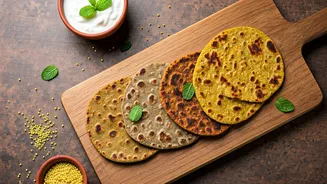
If you often feel bloated, sluggish, or struggle with digestion, jowar (sorghum) is a good place to start. It is light on the stomach and naturally gluten-free. Jowar is rich in fibre, which helps keep your gut active without making you feel heavy. For people who sit for long hours or feel low energy after meals, jowar can help maintain steady energy levels without sudden spikes or crashes.
Now, if your concern is calcium, bone health, or even hair fall, ragi (finger millet) stands out. It is one of the richest plant sources of calcium. I often recommend ragi to women, especially those in their 20s and 30s, as this is the time to build bone reserves. It also keeps you full for longer, making it useful for those trying to manage weight. However, ragi is slightly heavier to digest, so portion control is important.
For those dealing with high blood sugar, insulin resistance, or stubborn belly fat, bajra (pearl millet) works very well. Bajra has a low glycaemic index, which means it releases sugar slowly into your bloodstream instead of all at once. Because of this, your blood sugar stays more stable, and you’re less likely to experience sudden hunger pangs or cravings soon after eating. It is also warming in nature, making it ideal in cooler weather or for people who tend to feel cold easily.
But here’s what most people miss: there is no one “best” flour.
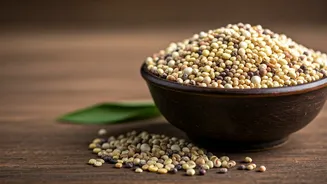
Your body does not need just one type of millet; it benefits more from variety. Rotating between jowar, ragi, and bajra throughout the week gives your body a better mix of nutrients. Each of these flours supports you in a different way, whether it’s digestion, steady energy, or stronger bones. It also keeps your meals from getting boring, which honestly makes it easier to stick to healthy eating in the long run.
At the same time, pay attention to how your body feels. If a certain flour feels too heavy or doesn’t suit you, it’s completely fine to adjust how much or how often you eat it. Nutrition isn’t about following strict rules, but about understanding your body and making choices that feel right and sustainable.
In the end, the best flour isn’t the one everyone is talking about, but the one that works for you, supporting your energy, digestion, and long-term health. Eat mindfully, stay consistent, and let your food take care of you.