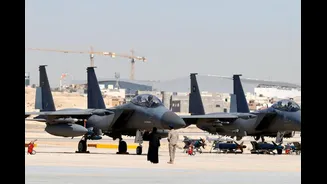










The conflict between Saudi Arabia and Yemen’s Houthis escalated further on Wednesday, with the rebels claiming they had shot down a Saudi F-15 fighter jet, hours after Riyadh said it had intercepted drones
heading towards Mecca.
The claim was made by Yemen’s Houthi rebels in a statement and has not been independently verified. The group also claimed that the Saudi-led coalition had carried out more than 450 air strikes over the past week.
The latest developments came after Saudi Arabia said its air defences had intercepted Houthi drones near Mecca.
Saudi-Houthi conflict
The Saudi-Houthi conflict is part of Yemen’s wider civil war and also reflects the regional power struggle between Saudi Arabia and Iran.
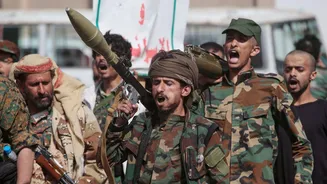
The Houthis, formally known as Ansar Allah, control large parts of northern and western Yemen, including Sana’a. Saudi Arabia backs Yemen’s internationally recognised government, while Iran has provided the Houthis with political, technical and military support. However, the Houthis retain their own decision-making autonomy.
The war has caused extensive civilian suffering and contributed to one of the world’s worst humanitarian crises. For Saudi Arabia, the main concerns include having a hostile Iran-aligned force along its southern border, missile and drone attacks on its territory, and threats to Red Sea shipping and oil infrastructure.
How the war began
The Houthis seized Sana’a in 2014, forcing the government of President Abd-Rabbu Mansour Hadi out of the capital. Saudi Arabia then led a military coalition that intervened in March 2015 to restore the internationally recognised government.
The conflict later entered a largely frozen phase following a UN-backed truce in 2022. Saudi Arabia also held direct discussions with the Houthis as it sought to leave the war. However, major issues including control of Yemen’s oil revenues, public-sector salaries and the country’s political future remained unresolved.
Why fighting resumed
According to recent reports, the informal calm began to collapse in July 2026 after the Houthis announced a maritime embargo against Saudi Arabia. Houthi missile and drone attacks subsequently targeted southern Saudi cities, oil facilities, airports and Red Sea shipping.
The latest escalation has developed across three fronts – Saudi territory, western Yemen and Red Sea shipping.
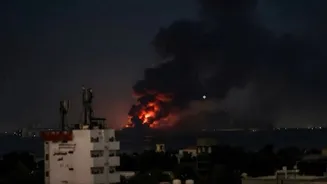
Houthi missiles and drones struck Abha, Khamis Mushait, Jazan and Najran, with Saudi authorities saying 73 people were injured.
In western Yemen, Houthi forces seized Mokha and Dhubab and reportedly captured Perim Island from Saudi-backed Yemeni forces. This has strengthened their position near the Bab al-Mandab Strait.
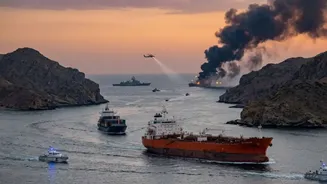
The Houthis have also declared a blockade or embargo against Saudi-linked shipping, raising concerns about disruption to the major maritime route.
Why Bab al-Mandab matters?
Perim Island lies at the entrance to the Bab al-Mandab Strait, which connects the Red Sea with the Gulf of Aden. Houthi control of positions near the strait could allow the group to threaten shipping without permanently closing the waterway.
Saudi Arabia now faces difficult choices. Airstrikes could punish Houthi positions but may not reverse territorial gains and could cause civilian casualties. A ground intervention risks repeating the costly 2015-22 war, while relying on Yemeni forces could take too long.
Negotiations could reduce immediate danger but may legitimise Houthi control of strategic territory. Naval action to protect shipping could also widen the conflict and bring Saudi Arabia into direct confrontation with Iran-linked forces.
Why Iran could benefit?
The escalation could strengthen Iran’s position indirectly by allowing pressure on Saudi Arabia and global shipping through the Houthis while maintaining a degree of deniability.
The Houthi advance also gives Iran leverage around Bab al-Mandab while the wider regional conflict threatens the Strait of Hormuz. This creates the possibility of pressure on two major maritime chokepoints – Hormuz from Iranian territory and Bab al-Mandab through the Houthis.