
As temperatures dip, the body’s needs subtly shift. Digestion slows, energy reserves fluctuate, and immunity demands more attention. While winter wardrobes and hot beverages offer surface-level comfort,
true seasonal resilience begins on the plate. According to celebrity nutritionist Rujuta Diwekar, India’s traditional winter diets already hold the answers – quietly rooted in regional wisdom, seasonal produce, and time-tested food pairings.
In an Instagram post, Rujuta Diwekar shed light on how everyday Indian foods naturally generate warmth, nourish digestion, and support metabolic health during colder months, without relying on imported superfoods or modern fads.
View this post on Instagram
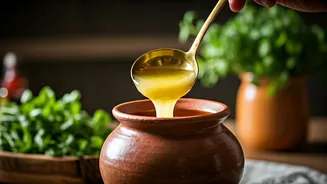
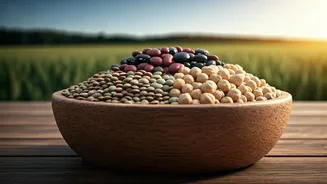
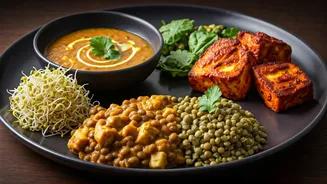
Across India, winter meals are designed to counter cold and dryness by favouring warming grains, healthy fats, and protein-rich lentils. Rujuta highlighted foods commonly eaten in colder regions, explaining how they help the body retain heat from within. “Bajra bhakri with loni, which is basically white butter, arshi chai chutney, which is flaxseed chutney, and everything that is eaten here, like mandua ka roti, kulith ka paratha, and gehat ki dal, all of these things keep you warm,” she said.
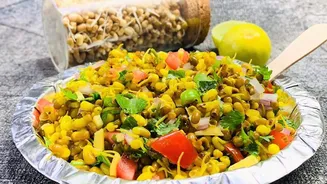
Millets like bajra and mandua are slow-digesting and heat-producing, while lentils such as kulith and gehat provide sustained energy and muscle warmth. The inclusion of natural fats, like white butter, supports joint health and prevents excessive dryness, a common winter complaint.
Winter diets aren’t just about heavy foods. Rujuta also pointed to the importance of leafy greens that thrive in colder climates. “There is also one green sabzi that is eaten here, cholai,” she noted. Seasonal greens like cholai are rich in iron, antioxidants, and fibre, helping balance richer winter meals while supporting circulation and immunity. Their inclusion ensures meals remain nourishing without overwhelming the digestive system.
Indian winter diets aren’t about indulgence, but they’re about alignment. Eating locally, seasonally, and confidently allows the body to adapt naturally to colder months. As Rujuta’s insights remind us, warmth isn’t manufactured through extremes. It’s cultivated through balance, tradition, and a grounded approach to both food and life.