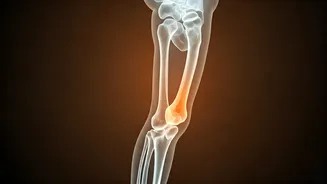








Weight loss is often celebrated as a marker of discipline and self-control. But beneath shrinking waistlines, a quieter and far more serious problem may be unfolding – bone loss. Orthopaedic specialists
warn that rapid weight loss without adequate nutrition can weaken bones long before symptoms appear. Unlike muscle fatigue or low energy, bone deterioration is largely invisible until a fracture, joint pain, or early arthritis forces attention. In the race to lose weight quickly, bone health is frequently left behind.
According to orthopaedic experts across India, the consequences of nutrition-deficient weight loss are becoming increasingly common, particularly among young adults and women.
Dr. Lalit Modi, Additional Director – Orthopaedics & Joint Replacement at CK Birla Hospitals, Jaipur, explains, “Many people focus on losing weight fast, but few realise the hidden cost – our bones. Rapid weight loss without proper nutrition can weaken bones long before any pain or fracture occurs.” He stresses that nutrients such as calcium, vitamin D, and protein are essential for maintaining bone density, and their absence leads to silent bone loss.
Dr. Rakesh Rajput, Director & HOD – Orthopaedic at CMRI Kolkata, highlights an alarming trend among teenagers and young adults. “We see a lot of teenagers and young adults who are hell-bent on reducing weight, trying to look almost like a model,” he says, noting that extreme dieting and aggressive intermittent fasting are increasingly driving nutritional deficiencies.
The Real Risk Of Extreme Dieting And Fasting
Crash diets, meal skipping, and prolonged fasting may deliver quick results on the scale, but they come at a cost. Dr. Rajput explains, “While occasional intermittent fasting may not be harmful, but if you keep doing it regularly and neglect the dietary components, there are major side effects.” These include fatigue, mood changes, headaches, and poor concentration – but the most serious consequence is nutritional deficiency.
“Vitamin D and minerals are going to be less. This will impact your bone health and your bones are going to be very weak and fragile,” he says. Many patients, he adds, present with stress fractures and spontaneous fractures despite being young.
Why Women Face A Higher Bone Health Risk
Women are particularly vulnerable due to hormonal fluctuations, lower body fat, and restrictive dieting patterns. Dr. E.S. Radhe Shyam, Senior Orthopaedic Surgeon at CARE Hospitals, Hyderabad, notes, “Bones suffer quietly long before fractures make the damage visible.” When essential nutrients are missing, bones become brittle, often revealing damage only after a minor fall.
Dr. Modi echoes this concern, pointing out that women are especially at risk because hormonal changes, low body fat, and restrictive diets can speed up bone loss. Rapid weight loss without medical guidance can significantly raise the risk of osteoporosis later in life.
Early Arthritis and Long-Term Joint Damage
Orthopaedic specialists are also seeing younger patients with joint degeneration and early arthritis. Dr. Rajput explains that weakened bones and cartilage degeneration are leading some patients toward surgical interventions at an unusually young age. “We now have younger people coming to us with arthritis, particularly problems with knee joints and hip joints,” he says, adding that extreme dieting and steroid misuse worsen the problem.
How To Lose Weight Without Harming Your Bones
Experts agree that sustainable weight loss must prioritise bone health. Dr. Modi advises gradual weight loss supported by balanced nutrition and regular physical activity. “Weight-bearing exercises, strength training, and daily movement help maintain bone density and reduce fracture risk,” he says.
Dr. Rajput adds that calorie reduction should focus on nutrient-dense, high-protein foods rather than prolonged fasting, and supplementation may be necessary when dietary intake falls short.
Weight loss should never come at the expense of long-term health. Bones take years to weaken and even longer to recover – if recovery is possible at all. A balanced diet, adequate nutrients, regular exercise, and medical supervision are essential for protecting skeletal health. The goal should not be rapid transformation, but lasting strength.