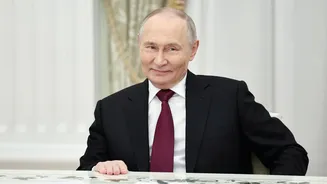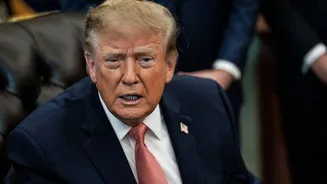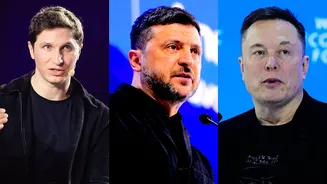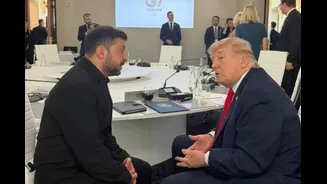





The relationship between US President Donald Trump and Ukrainian President Volodymyr Zelenskyy has deteriorated into an unprecedented public feud, shifting the landscape of the Russia-Ukraine conflict.
As the October 2026 U.S. midterm elections approach, the friction between Trump’s domestic-first economic policies and Zelenskyy’s fight for Ukraine’s national survival has pushed the Washington-Kyiv alliance to a critical breaking point.
THE ESCALATION: ENERGY, SATELLITES, AND SANCTIONS
The immediate catalyst for the current rift centres on energy policy and military leverage:
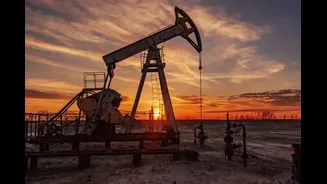
The Diesel Deal & Sanctions Lift: To lower domestic fuel prices ahead of the midterms, the Trump administration announced a temporary exemption from U.S. sanctions to import Russian diesel. Simultaneously, Trump delayed a planned round of additional sanctions against Moscow.
Throttling Ukraine’s Infrastructure: Following the Trump administration’s demands that Ukraine stop striking Russian oil refineries, reports surfaced that the White House ordered an interruption to Ukraine’s access to Starshield (SpaceX’s military-grade satellite service).
Zelenskyy’s Retaliation: Zelenskyy vocally condemned the moves as a “deadly betrayal” and quickly resumed drone strikes on Russian energy infrastructure, arguing that funding the Kremlin’s war machine cannot be tolerated.
THE RHETORIC
Trump has intensified his public criticism of the Ukrainian leadership, explicitly calling Zelenskyy a “dictator without elections” and claiming his domestic approval rating has plummeted to 4% (a figure sharply refuted by independent polling). He has openly stated that Ukraine needs to “get a new president” to facilitate a swift peace deal with Moscow, while frequently reminding voters that a “big, beautiful ocean” separates American interests from European conflicts.
Zelenskyy has pushed back directly, stating that Trump is trapped in a “web of disinformation” spun by advisors who are pushing the U.S. president to “the wrong side of history.” Zelenskyy has expressed deep grief over Washington’s easing of Russian sanctions, framing the rhetorical attacks as a distraction from the daily existential threat Ukraine faces.
SURVIVAL BEYOND THE PRESIDENCY
While the Trump administration behaves under the assumption that removing Zelenskyy would quickly pave the way for a peace deal, geopolitical analysts and polling data suggest this calculus misunderstands the nature of the conflict:
Despite three years of devastating full-scale invasion, independent data from the Kyiv International Institute of Sociology shows Zelenskyy retains 57% trust among the Ukrainian public—outpacing Trump’s own domestic approval metrics.
Analysts from the Atlantic Council emphasize that the Ukrainian resistance is not tied to a single political figure. Even if Zelenskyy were removed or forced to step down, the vast majority of Ukrainians strongly oppose any settlement that yields long-term security or capitulates to Russian terms, viewing the war as an existential fight for national survival.