


Ashwagandha has long been a staple in India’s wellness landscape, trusted for its stress-relieving and immunity-boosting properties. But a recent advisory by the Food Safety and Standards Authority of
India has sparked fresh conversations around how this popular herb should be consumed.
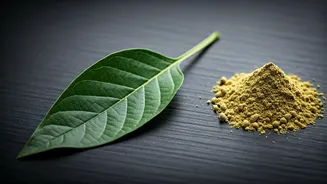
In April 2026, the food regulator issued a directive prohibiting the use of ashwagandha leaves in food products, supplements, and nutraceuticals in any form. The clarification is rooted in existing regulations, which permit only the root and its extracts for consumption.
What Has Changed?
Technically, this is not a blanket ban on ashwagandha itself but a stricter enforcement of what parts of the plant are considered safe and approved.
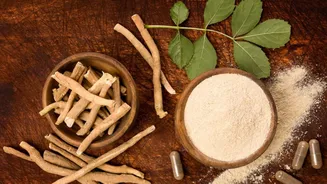
Under India’s nutraceutical guidelines, only ashwagandha root has established safety standards. Authorities found that some manufacturers were using leaf extracts, which fall outside the permitted list.
The advisory now makes it clear:
Leaves are not allowed in food or health products
Only roots and root extracts can be used, within prescribed limits
State authorities have also been asked to monitor compliance and take action against violations.
Why Are Ashwagandha Leaves Being Restricted?
The move is driven largely by safety concerns and lack of sufficient data. Reports suggest that leaf extracts may carry potential risks, including:
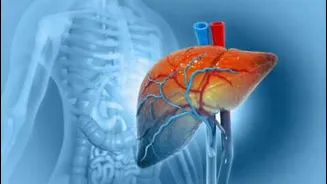
Possible liver toxicity
Concerns around neurotoxic effects
Unlike the root, which has been extensively studied and widely used in Ayurveda, the leaves have not been approved under food safety frameworks.
The decision is also backed by the Ministry of AYUSH, aligning both traditional medicine and food regulation standards.
What Experts Are Saying
Health experts emphasise that this development should not cause alarm but rather encourage more informed consumption.
Ashwagandha, particularly its root, continues to be considered safe when used appropriately. However, the incident highlights a broader issue in the wellness industry: the rapid expansion of supplements without uniform regulation or awareness.
Experts note that:
Consumers should check ingredient labels carefully
Not all “ashwagandha products” are created equal
Standardised extracts from the root remain the safest option
What This Means for Consumers
For everyday users, the takeaway is simple:
Ashwagandha itself is not banned only certain forms are restricted.
If you’re consuming:
Capsules
Powders
Herbal drinks
Ensure they are derived from the root, not the leaves.
The advisory also signals a larger regulatory shift, one that prioritises clarity, safety, and standardisation in India’s fast-growing wellness market.
The Bigger Picture
As herbal and functional foods gain popularity, regulators are stepping in to define clearer boundaries. The ashwagandha advisory is less about restriction and more about ensuring that traditional ingredients are used responsibly and safely.
For consumers, it’s a timely reminder: Natural doesn’t always mean risk-free and understanding what goes into your wellness routine matters more than ever.