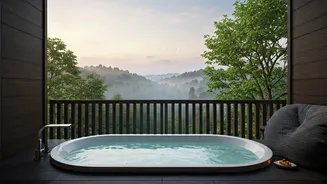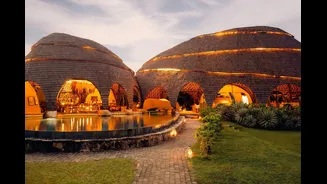



For many people, a dream vacation is a trip to snow-covered mountains or a relaxing weekend at the beach. A trek through snow-covered hills or long walks on the beach seem to be on everyone’s bucket list.
But did you know that there’s another travel trend emerging that is all about prioritising sleep over other activities. After staycations, a new trend, napcation has taken over. The trend is all about focusing on giving your body some much-needed rest and rejuvenation.
In today’s fast-paced world, napcation has become synonymous with giving your body a chance to indulge in some rest and focus on sleep over sightseeing activities.
What Is Sleep Tourism?
– Sleep tourism is a travel trend that advocates making sleep and recovery a priority over traditional sightseeing or adventure activities. The trend involves booking rooms that are designed with sleep-enhancing features, such as soundproof rooms and offer wellness programmes.
What Are The Core Differences Between Sleep Tourism Variants?
– Traditional vacations focus on adventure and exploration at destinations. A 1-2 week itinerary is standard for such trips. Sightseeing and other activities are the mainstay of such holidays.
-On the other hand, staycations are about relaxation at home or nearby destinations., These 3-7 day vacations aim to avoid the hassle of airports or steep travel costs.
– A workcation combines leisure with remote working. Travellers can spend weeks in scenic locations, balancing productivity with relaxation.
-A napcation prioritises short, sleep-optimised recharges. This 1-4-day long vacation features wellness retreats with a focus on better sleep.
How Did Sleep Tourism Evolve Chronologically?
In the pre-2000s era, vacation was the main travel idea. Staycation emerged as a popular choice amid the 2008 Wall Street crash. It was promoted as a cheap, low-stress alternative to other holiday ideas. In 2020-21, workcation boomed with the advent of pandemic remote work. Trips to places like Goa were now characterised as “bleisure”, combining both business travel and fun.
In 2023-2025, napcation emerged due to burnout trends in the US. It gained popularity in India via social buzz and hotel packages late last year.
What Are Some Additional Variants Of Sleep Tourism?
Sleep tourism has variants such as bleisure, which signifies combining business travel with fun. First coined in the mid-2010s, the term is common for corporate flyers.
Slowcation, popular from 2022 onwards, targets unhurried, mindful pacing in trips over jam-packed itineraries.
Voluntcation adds purpose-driven rest to trips, with travellers volunteering during their holidays.
What Are The Key Features Of Sleep Tourism?
– Sleep tourism includes blackout curtains, aromatherapy, and more. AI-adjusted mattresses and circadian lighting are used to optimise rest.
– Many packages offering sleep tourism incorporate yoga, meditation, or consultations with sleep experts to help reset natural rest patterns.
Why Is Sleep Tourism Rising?
– Sleep tourism is gaining popularity due to widespread sleep deprivation, particularly in urban areas. A fast-paced life and hectic work commitments mean that many people get under seven hours of shut-eye. In the internet and mobile-first world, sleep is positioned as a luxury wellness practice.
What Are The Popular Options In India?
– In India, places like The Westin in Gurugram offer sleep-focused amenities. Other hotels include Odisha’s Belgadia Palace in Odisha, which uses Ayurveda practices to provide better sleep for travellers.
– Globally, places like the Park Hyatt New York offer high-tech suites for better slumber.
Why Not Just Sleep At Home?
– The rise of napcation has led some to question the efficiency of the vacation mode, with people arguing that travellers can just sleep at home. However, home environments often remain a source of work stress, screen distractions, poor air quality, noise pollution and other disruptions. This can lead to continued insomnia cycles.
– Travelling to another place removes these disruptions, offering a psychological “reset”.
What Is The Difference Between A Staycation And A Full Trip?
Staycations may help reduce sleep deprivation, but lack comprehensive facilities like resort-grade mattresses, group wellness rituals, and destination-specific calm to help improve slumber. Full trips force people to disconnect from distractions and combine luxury with therapy for sustained benefits.
What Is A Napcation?
– “Napcation” emerged as a trend around 2023-2024. The term was coined by US media for short, nap-focused getaways to escape burnout in the post-pandemic era. The trend gained popularity in India last year. It is a playful subset of sleep tourism.
What Is The Current Status Of Sleep Tourism In India?
– Sleep tourism is gaining traction in India due to urban sleep deprivation and growing interest in restorative getaways.
– The trend is slowly entering the mainstream travel culture. More and more resorts are combining ancient Ayurveda practices with modern amenities like soundproof rooms to offer restorative slumber.
What Are The Growth Drivers?
– Urban Indians are suffering from a sleep deficit. This is fueling demand for rest-focused trips. Poor air quality in urban areas, work-from-home flexibility, and better health awareness post the pandemic are also driving the rise of napcation.
– Experts have noted a 7 per cent Compound Annual Growth (CAGR) in wellness travel.
What Are The Key Destinations In India?
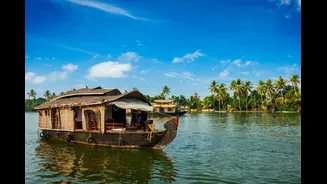
– Rishikesh with its yoga and Ayurvedic sleep therapies and Coorg with its misty retreats are some of the destinations preferred by travellers. The eco-resorts in Manali, Kerala’s backwaters and Spiti Valley’s serene isolation are other emerging destinations.
What Is The Market Context?
As of early 2026, sleep tourism is transitioning from a niche trend to a mainstay of travel bookings in India. Globally, sleep tourism hit $70 billion in 2024. Surveys indicate a strong interest in the idea, with 20 per cent of Indian travellers planning vacations around sleep. Not just that, 85 per cent are more mindful of their sleep patterns during vacations.
Which Indian States Are Leading In Sleep Tourism?
When it comes to sleep tourism, Uttarakhand and Himachal Pradesh have taken the lead in attracting travellers. The states are ideal for yoga retreats and nature-focused escapes.
Another top destination is Kerala, with its reputation as a hub of Ayurvedic practices.
Tamil Nadu’s Coonoor and Jammu & Kashmir’s Pahalgam are also emerging as destinations due to their cool climates and the natural white noise provided by the rivers and valleys.
All in all, napcation may just be the trend travellers need to follow in 2026 to deal with stress and burnout. The idea is all about relaxing and taking a break to recharge yourself. If you wish to improve your sleep patterns, a napcation may be the solution this year.