





The names sound like they belong in a contest of military might: America’s “Mother of All Bombs” and Iran’s newly announced “Father of All Bombs”. But behind the dramatic labels lies a more consequential
question—what happens if the United States and Israel decide to strike Iran again, and how far could Tehran’s retaliation go?
With Washington and Tel Aviv reportedly drawing up plans for a fresh campaign after the US midterm elections, the possibility of another round of attacks is once again in focus. According to The New York Times, the options being considered reportedly range from Iran’s nuclear facilities and missile arsenal to its energy infrastructure, with the deeply buried Pickaxe Mountain site emerging as a potential target.
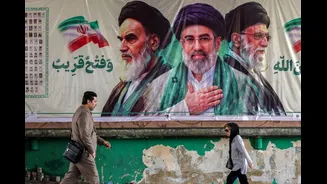
Tehran, for its part, has signalled that another attack would not necessarily remain a limited military engagement. Iranian officials have threatened retaliation against energy infrastructure, commercial shipping and even data centres and undersea internet cables, raising the prospect of a conflict whose consequences could extend well beyond the battlefield.
FOAB Vs MOAB
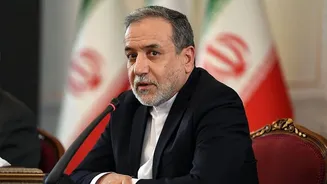
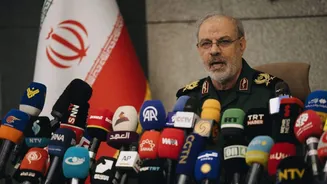
Iran’s Islamic Revolutionary Guard Corps (IRGC) spokesman Hossein Mohebbi has said the country is preparing to introduce a weapon it calls the “Father of All Bombs”. The announcement comes amid reports that the United States is considering using its GBU-43/B Massive Ordnance Air Blast (MOAB), popularly known as the “Mother of All Bombs”, in a possible renewed campaign against Iran.
However, Tehran has not released technical specifications for its proposed weapon. It remains unclear whether the name refers to a bomb, missile or another weapons system.
The American weapon at the centre of the comparison is the GBU-43/B MOAB, a massive conventional, non-nuclear bomb weighing approximately 9,800 kg, or 21,600 pounds.
The weapon was first used in combat by the US military in Afghanistan in 2017 against an Islamic State-linked tunnel complex. Its enormous explosive payload makes it a formidable weapon, but its nickname should not be confused with nuclear capability.
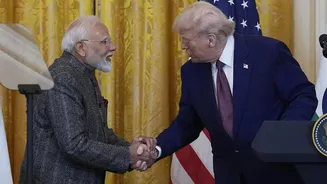
US military planners have reportedly considered the MOAB as part of possible strike options against Iranian targets, including energy infrastructure and nuclear-related facilities. President Donald Trump has also discussed the possibility of striking Pickaxe Mountain, a deeply buried site associated with Iran’s nuclear programme.
Why Are The US And Israel Preparing For Fresh Strikes?
According to The New York Times, US and Israeli militaries have developed plans for renewed attacks following the American midterm elections. The preparations reportedly include exercises over Iraq to practise strike manoeuvres, while US Defence Secretary Pete Hegseth met Israeli Prime Minister Benjamin Netanyahu in Israel during the week.
Possible targets include Iran’s energy infrastructure, nuclear facilities and missile and drone arsenal. Some officials believe another concentrated campaign could inflict enough economic damage to force Tehran into making concessions during negotiations.
One option reportedly under consideration involves Pickaxe Mountain, where the United States and Israel believe sensitive elements of Iran’s nuclear programme may be located deep underground.
The reported plans follow months of conflict, earlier strikes and stalled diplomatic efforts. The previous US-Israeli campaign drove up global energy prices, contributed to inflationary pressures and strained supplies of missile interceptors. Despite the military pressure, Iran has not made the concessions Washington is seeking on its nuclear programme.
Trump has repeatedly held back from authorising major new combat operations. The White House has said it does not comment on military plans “that may or may not exist”, while maintaining that the president is keeping his options open.
How Could Iran Retaliate?
Tehran has warned that a renewed campaign would not necessarily remain confined to the immediate battlefield.
According to The New York Times, Iranian officials have threatened retaliation against commercial shipping and energy infrastructure, as well as data centres and undersea internet cables. These warnings raise the prospect of consequences extending beyond military installations to energy supplies, communications infrastructure and the wider regional economy.
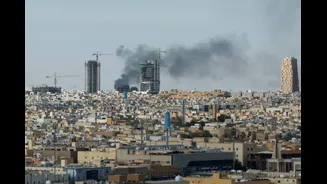
Iran has also threatened that attacks on its oil infrastructure could prompt retaliation against Saudi energy facilities, including Aramco sites. Such an escalation could put pressure on global energy markets at a time when the conflict has already disrupted regional security and oil supplies.
The Strait of Hormuz is another critical flashpoint. Any further disruption to shipping through the strategic waterway could affect international energy flows, with consequences far beyond the Middle East.
Iranian officials have also rejected the idea that another round of fighting could be completed quickly. One senior adviser described the prospect of ending the conflict within 72 hours as a “fantasy”, arguing that Tehran would determine when the war ended.
Will Another Round Of Strikes Force Iran To Concede?
That is questionable.
Some officials reportedly believe a short, intensive campaign could damage Iran’s economy enough to compel it to make concessions. Others are sceptical that additional strikes would deliver a meaningful diplomatic breakthrough, given that earlier attacks, sanctions and pressure on shipping have not resolved the dispute.
The political calendar adds another complication. Trump has indicated that he does not intend to launch fresh attacks before the US midterm elections, while the so-called preparations point to a possible post-election window. Israeli domestic politics could also affect the calculations surrounding any renewed operation.
Meanwhile, Iran’s leadership appears increasingly distrustful of Washington’s intentions and believes that the United States and Israel may be seeking regime change. That perception could make Tehran less willing to compromise and more inclined to present military preparedness as a deterrent.
The “Father of All Bombs” claim adds another layer to this confrontation, but it does not by itself establish a change in the military balance. Until Iran provides details and the weapon’s capabilities can be independently assessed, its actual significance remains unknown.