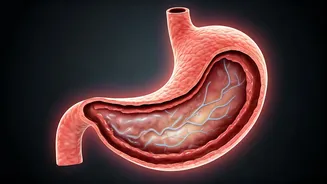







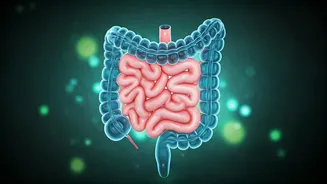

The human gut microbiome, which is made up of trillions of small organisms, plays a vital role in the digestion, immune system, metabolism, and even mental health of an individual. However, the sedentary
lifestyle habits we have today is slowly compromising this ecosystem, which in turn is leading to a variety of health issues. Dr Aravind Badiger, Technical Director, BDR Pharmaceuticals, shares 5 habits that you might be doing daily that can affect your gut health:
Excessive Consumption of Processed Foods
Processed foods, artificial sweeteners, and other components of an unbalanced diet have a huge effect on the human gut microbiome. Processed foods, for instance, contain a relatively low level of dietary fibers, which are critical in maintaining a healthy microbiome. Processed and unbalanced diet results in a reduced diversity of microbiota, thereby leading to an increased level of pro-inflammatory bacteria, which may increase the risk of inflammatory bowel disease including metabolic complications. Processed foods may also contain artificial preservatives, which may affect the integrity of the gut, thereby leading to a leaky gut and inflammation.
Overuse of Antibiotics
Antibiotics, although a powerful group of medicines, have the potential to create a state of imbalance in the gut microbiota when overused or inappropriately used. These medicines, apart from killing the bad bacteria, also destroy the good bacteria, thus creating a state of microbial imbalance. The gut microbiome can take months or even longer to recover from the effects of antibiotics, and in some cases, it does not return to its former state. This can make the body more vulnerable to infections, digestive problems, and weakened immunity.
Chronic Stress and Poor Sleep
The gut and the brain are connected via the gut-brain axis. When a person is subjected to chronic stress, it has the potential to result in the production of a hormone called cortisol, which in turn has the potential to result in alterations in gut motility, microbial imbalance, and increased intestinal permeability. In the same manner, when an individual does not get enough sleep, this can lead to disruptions in the body’s circadian rhythms, which can in turn lead to microbial imbalance in the gut which can result in gastrointestinal and other diseases.
A Diet Low in Fiber and Nutrients
The body’s microorganisms use fiber as fuel to create short-chain fatty acids. These fatty acids help in maintaining the integrity of the gut and reducing inflammation in the body. A low-fiber, nutritionally poor diet means that the body is “starving” its microbes, thereby reducing the number of microbes and the integrity of the gut. Low fiber has been linked to a compromised gut, immune, and health status.
Sedentary Lifestyle and Irregular Patterns of Eating
Exercise is important in maintaining the diversity of microbes in the human gut. Inactive lifestyle along with irregular meal timings, may affect various metabolic activities and have a harmful effect on microbes in the gut. Irregularity in the timing of meals can disrupt the digestive process and the regularity of microbes in the digestive system, leading to bloating, the body’s ability to absorb nutrients and a condition of metabolic imbalance.
A healthy digestive system is a function of many different aspects of our lives, rather than a single factor. A healthy digestive system is mostly dependent on a high-fiber diet, regular exercise, stress control, and a regular sleep schedule