




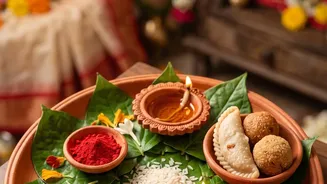


Karwa Chauth 2026 Sargi Time and Thali Items: Karwa Chauth 2026 will be celebrated on Thursday, October 29, and preparations for the traditional fast begin well before sunrise. Sargi, the pre-dawn meal
eaten before the fast begins, is an important part of the observance in many North Indian households.
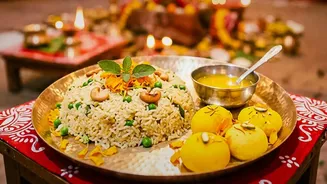
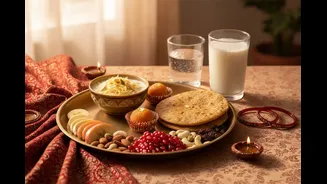
Traditionally, sargi is prepared or gifted by the mother-in-law and may include pheni or seviyan, paratha, fresh fruits, dry fruits, sweets and milk. The exact menu varies by region and family custom. While some women observe a strict nirjala vrat without food or water after sunrise, others follow modified fasting practices based on their circumstances and traditions.
Read More: Karwa Chauth 2026 Date, Muhurat, Rituals And Significance Every Wife Must Know
In New Delhi, sunrise is expected at 6:31 AM, while Mumbai’s sunrise is at 6:37 AM, according to Drik Panchang. Sargi should be completed before local sunrise if following the traditional sunrise-to-moonrise fast. The precise time depends on the city, so checking a location-specific panchang is essential.
Here is a complete guide to Karwa Chauth 2026 sargi time, the foods to eat before sunrise, what to include in the sargi thali and important considerations before beginning the vrat.
Karwa Chauth 2026: Date and Sargi Time
- Karwa Chauth Date: Thursday, October 29, 2026
- Sargi timing: Before local sunrise
- New Delhi sunrise: 6:31 AM
- Mumbai sunrise: 6:37 AM
- Sargi tradition: A pre-dawn meal commonly prepared or gifted by the mother-in-law or an elder in the family
The meal is traditionally completed before sunrise, and the local sunrise varies by city. Devotees should check their city’s panchang and allow enough time to eat comfortably before the fasting period begins.
Read More: Karwa Chauth 2026 Puja Samagri List: Check All Essential Items Required For Vrat
What Is Sargi and Why Is It Important on Karwa Chauth?
Sargi is the traditional pre-dawn meal associated with Karwa Chauth. It is eaten before sunrise, after which devotees begin the day’s fast according to their family and regional customs.
In many households, a mother-in-law prepares or presents the sargi thali to her daughter-in-law. The meal may contain traditional foods, fruits, nuts, sweets and beverages. The exchange is also associated with family blessings and the passing down of festive customs.
Read More: Karwa Chauth 2026: Why Do Women Look At The Moon Through A Sieve? Significance Of Karwa Pot And Moon Ritual
Sargi serves a practical purpose as well: it gives those observing the fast an opportunity to eat and drink before the day begins. Since fasting practices can be demanding, thoughtful food choices and adequate hydration beforehand are important.
The foods included in sargi are not fixed. Some families prefer a traditional Punjabi-style meal with pheni, paratha and sweets, while others choose a simpler combination of fruit, curd, nuts and milk.
What to Eat Before Sunrise on Karwa Chauth 2026
A balanced sargi meal can include carbohydrates, protein, fibre and fluids. Choose foods that suit your appetite, dietary requirements and usual eating habits rather than eating more than is comfortable.
Pheni or Seviyan
Pheni and seviyan, or vermicelli, are traditional sargi foods in many North Indian and Punjabi households. They are often prepared with milk and sugar and served as a sweet dish before sunrise.
They provide carbohydrates for energy, while a milk-based preparation can also contribute protein and calcium. The recipe varies from household to household, so the amount of sugar and richness can be adjusted to individual preferences.
Paratha or Whole-Wheat Roti
A whole-wheat paratha or roti can make the pre-dawn meal more filling. Whole grains provide carbohydrates and some fibre, while a moderate amount of fat used in preparation can add energy.
Pair a paratha with curd, paneer or another protein-containing food for a more balanced meal. Avoid eating an unusually heavy or oily meal if it tends to cause discomfort.
Curd or Paneer
Curd and paneer are common vegetarian sources of protein. Curd also provides fluid, while paneer can make a small meal more substantial.
These foods may be included alongside paratha, roti or another savoury dish. Those who are lactose-intolerant can choose a suitable alternative that meets their dietary needs.
Fresh Fruits
Fresh fruits add fibre, vitamins and minerals to the sargi thali. Common choices include:
- Bananas
- Apples
- Pomegranates
- Oranges
- Pears
- Seasonal melons, where available
Choose fruits you normally tolerate well. Whole fruit is generally a practical option for breakfast, while fruit juice may be less filling and can contain less fibre.
Dry Fruits and Nuts
Almonds, cashews, walnuts, pistachios and raisins are traditional additions to many sargi thalis.
Nuts provide energy, unsaturated fats and some protein, while dried fruits provide concentrated carbohydrates. A modest portion is usually sufficient; there is no need to eat a large quantity simply because a fast is approaching.
Milk or Another Suitable Beverage
Milk is commonly served with pheni or seviyan and can contribute protein and fluid. Depending on personal preference and dietary requirements, other suitable options may include a fortified plant-based beverage or coconut water.
Plain water is especially important before the fasting period begins. Drink steadily according to your needs rather than trying to compensate by consuming an excessive quantity at once.
Traditional Sweets and Mathri
Some families include mithai, mathri or another savoury snack as part of the traditional sargi meal. These items may have cultural significance and make the meal feel festive.
They can be included in moderation alongside more nourishing foods such as fruit, curd, nuts and whole grains. Sargi does not need to consist entirely of sweets or fried snacks.
What to Include in the Karwa Chauth Sargi Thali
A traditional Karwa Chauth sargi thali combines food, beverages and, in some households, festive gifts. The following checklist can help with preparation.
- Pheni or seviyan
- Paratha or whole-wheat roti
- Curd or paneer
- Fresh seasonal fruits
- Almonds, cashews, walnuts, pistachios and raisins
- A small serving of traditional sweets
- Mathri or another savoury snack
- Milk or another suitable beverage
- Drinking water
- Traditional gifts and shagun
In some families, sargi is presented along with festive gifts or shagun from the mother-in-law or another elder. Depending on local custom, these may include:
- Bangles
- Bindi
- Clothes or a dupatta
- Mehendi
- Other traditional adornments
- Cash or a customary gift
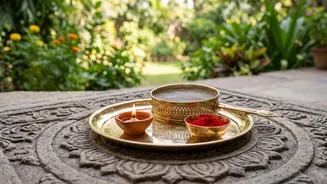
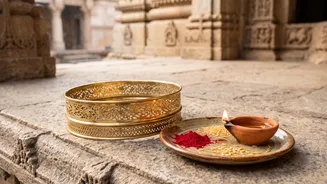
These items are separate from the food served in the sargi thali. Roli, kumkum, akshat and other ritual materials are generally arranged for the evening puja rather than eaten as part of the morning meal.
How to Prepare Your Sargi the Night Before
Preparing in advance can make the early morning easier, especially when the meal must be finished before sunrise.
- Plan the menu: Choose a combination of familiar foods, such as pheni, paratha, fruit, nuts and curd.
- Prepare ingredients: Wash the fruit, portion the nuts and arrange the dishes that can safely be prepared ahead of time.
- Set out the thali: Keep the plates, glasses, serving bowls and other essentials ready.
- Check the local sunrise: Confirm the timing for October 29, 2026, using a reliable city-specific panchang.
- Allow time to eat comfortably: Avoid leaving the entire meal until the final few minutes before sunrise.
- Hydrate beforehand: Drink water according to your needs during the permitted period before the fast begins.
Refrigerate perishable foods such as milk, curd and prepared dishes appropriately. Food safety remains important even when the meal is part of a religious observance.
Karwa Chauth 2026: City-Wise Sunrise and Evening Timings
Tips for a More Comfortable Karwa Chauth Fast
Choose a balanced meal: Include a combination of carbohydrates, protein, fibre and fluids. A meal made up only of sweets may not be as satisfying as one that also contains whole grains, fruit, nuts and protein-rich foods.
Avoid unfamiliar foods: The pre-dawn meal is not the best time to experiment with foods that may cause acidity, bloating or digestive discomfort. Choose familiar dishes and moderate portions.
Hydrate before sunrise: Drink water regularly before the fast begins, subject to your health needs. Caffeinated drinks should not be relied upon as a substitute for water.
Do not ignore health needs: Traditional fasting customs vary, and a strict waterless fast may not be appropriate for everyone. People who are pregnant, have diabetes or another medical condition, take medicines that require food or fluids, or have a history of dehydration should consult a healthcare professional before fasting. Do not change prescribed medication schedules without medical guidance.
Follow your family’s tradition: The ingredients in sargi and the accompanying gifts vary across communities. There is no requirement for every household to prepare an identical thali.