



The war between the United States and Iran could be entering another phase of fighting amid multiple failed attempts at reaching a deal. Oil tankers remain stranded near the Strait of Hormuz, American
naval operations are fluctuating between pause and escalation, and fresh threats continue from both sides. What was initially presented as a pathway towards a ceasefire has now entered another cycle of breakdown, mistrust and brinkmanship.
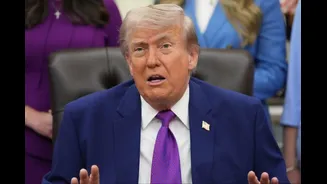
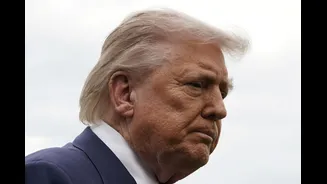
US President Donald Trump said on Monday that the ceasefire with Iran was “on life support” after rejecting Tehran’s latest response to Washington’s peace proposal. Trump called the Iranian proposal “totally unacceptable”.
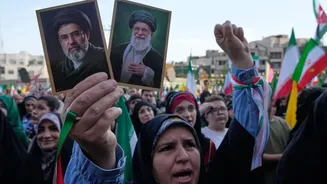
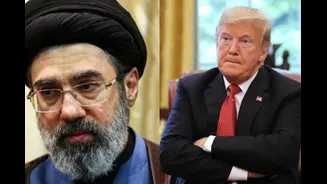
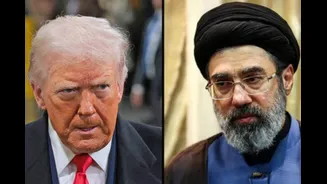
Iran, meanwhile, says the US is demanding surrender rather than negotiation.
The collapse of talks in the middle of an active military confrontation shows why every US-Iran deal effort in this war keeps failing: both sides are negotiating while simultaneously trying to gain leverage through military and economic pressure.
The Strait Of Hormuz Deadlock
At the centre of the current crisis is the Strait of Hormuz, the narrow maritime route through which nearly 20 per cent of the world’s oil trade passes.
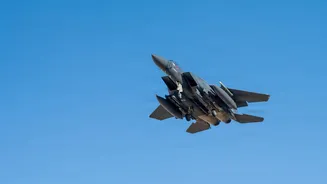
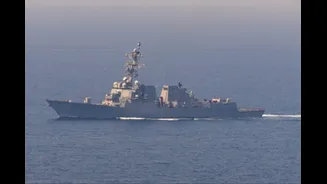
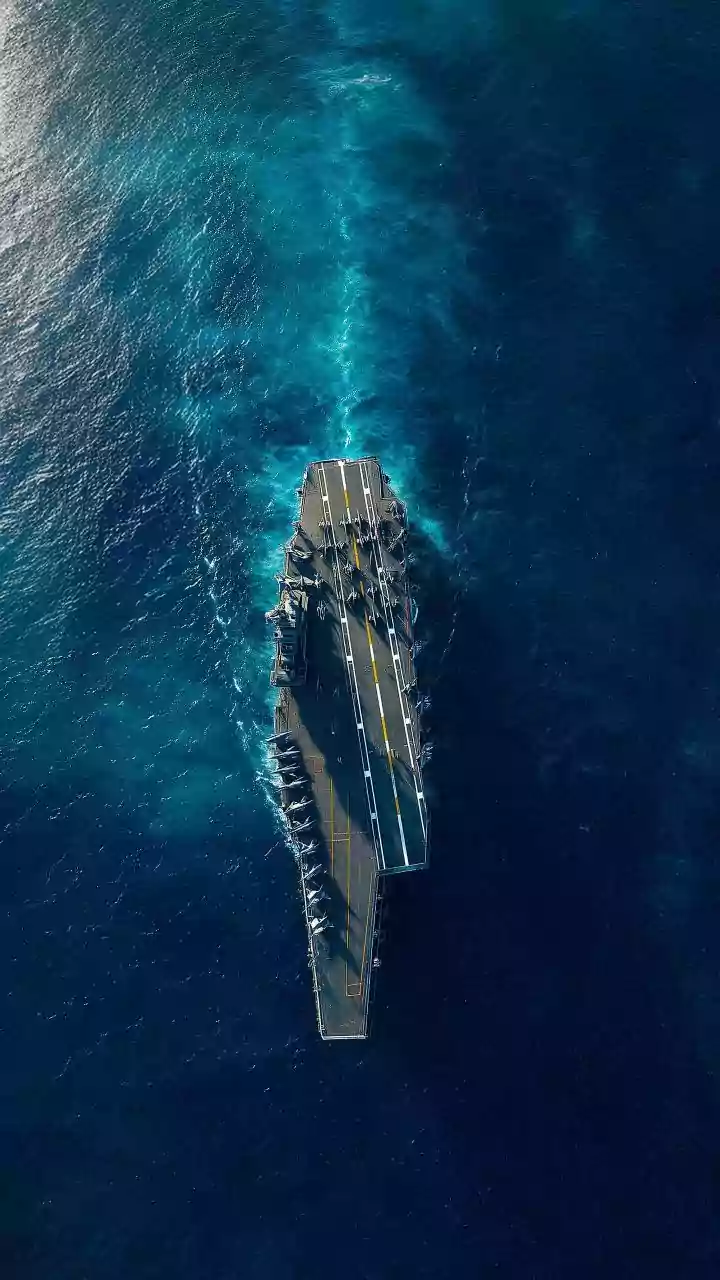
Iran’s disruption of shipping traffic in the strait triggered the present military confrontation. The US responded with naval deployments and “Project Freedom”, an operation meant to escort commercial ships through Hormuz and weaken Iran’s effective blockade.
But even while military operations continued, Washington attempted parallel negotiations.
Last week, Trump unexpectedly paused parts of the Hormuz escort operation, saying there had been “great progress” towards a “Complete and Final Agreement” with Iran. He said the move came after requests from Pakistan and other countries pushing for diplomacy. But that optimism lasted only days.
Iran’s counterproposal demanded sweeping concessions from Washington, including lifting US sanctions, ending the naval blockade, compensation for war-related damage, recognition of Iran’s authority over the Strait of Hormuz, and guarantees against future military action.
The Trump administration rejected those terms almost immediately.
Trump Wants A Deal, But…
Trump has repeatedly said the central American condition remains unchanged: Iran cannot retain a pathway to nuclear weapons. “The plan is they cannot have a nuclear weapon,” Trump said while explaining why he rejected Iran’s latest proposal.
US officials have also insisted that Iran scale back uranium enrichment and halt attacks or interference targeting commercial shipping in Hormuz.
But US’s approach combines negotiations with military pressure, and that is what Iran says makes meaningful talks impossible.
Even after pausing some naval operations, Trump continued warning that military action could resume if Iran continued disrupting maritime traffic. Reports suggest the White House is already weighing options for renewed combat operations if diplomacy fails completely.
Iran Says US Is Negotiating Under Coercion
From Iran’s perspective, the current talks are fundamentally unequal. Iranian officials argue that the US is using sanctions, naval pressure and military deployments to force Tehran into accepting terms it would otherwise reject.
Iran’s latest proposal reportedly focused not only on the nuclear issue but also on broader regional security demands, including ending hostilities across the region and removing restrictions on Iranian oil exports.
Iranian officials have described their proposal as “responsible” and framed American demands as unrealistic during wartime negotiations. Iran also believes Washington is trying to weaken them strategically while offering only temporary diplomatic relief in return.
That mistrust has worsened because negotiations are taking place during an active conflict, not after one.
Military Escalation Keeps Overtaking Diplomacy
Another reason talks keep collapsing is that battlefield developments repeatedly overtake diplomacy.
In recent days, Iran has reportedly continued interference against shipping vessels while the US has discussed restarting military escort operations. In all this, oil prices have surged over fears of prolonged Hormuz disruption as both sides continue to accuse each other of violating ceasefire understandings.
This creates a cycle where negotiations begin, military pressure escalates, markets panic and talks break down again before any agreement can stabilise.
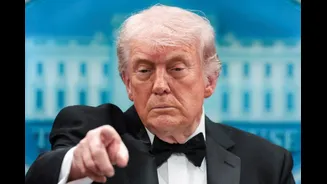
Even Trump’s own messaging has shifted rapidly, from speaking about progress towards a “final agreement” to warning that the ceasefire is barely surviving.
Nuclear Issue Remains Unresolved
Although the Hormuz crisis triggered the immediate confrontation, the nuclear dispute remains central. The US position is that Iran must significantly restrict or dismantle parts of its enrichment programme.
Iran’s latest proposal reportedly offered only a limited enrichment freeze rather than a full rollback. That gap remains massive.
For the US, allowing Iran to continue enrichment risks future nuclear capability. For Iran, giving up enrichment entirely would look like surrender under military pressure. Neither side currently appears willing to compromise enough to bridge that divide.
Oil, Shipping And Global Pressure Raising The Stakes
The breakdown of talks is now hurting the global economy even more.
Oil prices have climbed sharply as fears grow that Hormuz disruptions could continue for weeks. Shipping traffic remains constrained, and thousands of seafarers and vessels are still affected by the crisis. This is increasing international pressure on both countries to avoid a wider war.
The US wants to reopen Hormuz quickly without appearing weak. Iran wants sanctions relief and recognition of its regional leverage before making concessions. Both sides believe time and pressure may improve their negotiating position.
Why Talks Keep Failing
The current US-Iran negotiations are collapsing for one simple reason: neither side trusts the other enough to separate diplomacy from coercion.
The US is negotiating while maintaining military pressure. Iran is negotiating while using the Strait of Hormuz as leverage.
While Washington wants nuclear concessions first, Iran wants sanctions relief and security guarantees first.