







As temperatures climb, the bedroom must evolve from a purely functional space into a restorative retreat, one that soothes, cools, and calms. Creating this shift isn’t just about reducing heat, but about thoughtfully
balancing materials, colour, light, and spatial flow to bring a sense of ease into everyday living.
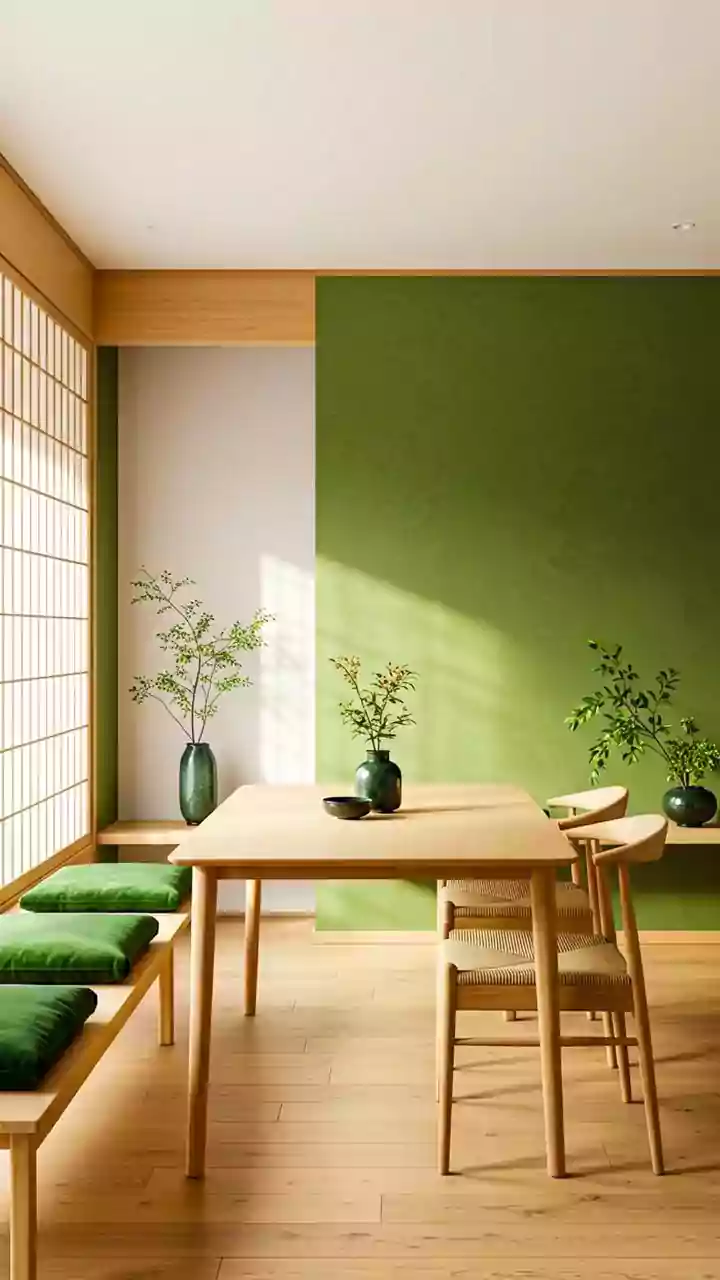
The foundation of a summer-ready bedroom begins with simplification. Arushi Kathuria, founder, Pink Knots believe heavy layers, dark tones, and visual clutter tend to hold both physical and visual warmth. Replacing them with breathable materials like cotton and linen, along with soft hues such as ivory, blush, pale greens, and light blues, can instantly create a more open, airy feel.
Echoing this approach, Interior Designer Punam Kalra, Creative Director, I’m The Centre for Applied Arts emphasises the importance of a lighter palette. She notes that muted pastels, off-whites, and earthy neutrals not only reflect heat but also expand the visual space, making the room feel calmer and more breathable.
Beyond colour, ventilation and light play a crucial role. Keeping windows unobstructed and opting for sheer curtains instead of heavier drapes allows natural light to filter in while maintaining airflow. This interplay of light and movement prevents the room from feeling enclosed and enhances its overall freshness.
For Kalra, spatial planning is equally essential. A thoughtfully arranged room improves circulation and reduces visual heaviness. She recommends decluttering and choosing furniture that feels light in form yet purposeful, pieces that maintain presence without overwhelming the space.
Organisation, too, becomes a design tool in summer. Kathuria highlights how structured storage and minimal organisers from bedside trays to discreet boxes can significantly reduce visual noise. When surfaces remain clean and essentials are thoughtfully contained, the room naturally feels lighter and more restful.
Texture adds another subtle layer of comfort. Swapping dense fabrics for smoother, breathable finishes not only enhances tactile ease but also contributes to a cooler visual language. Kalra further suggests incorporating handcrafted textiles and artisanal details, such as lightly textured cushions or hand-finished surfaces that bring depth without adding weight.
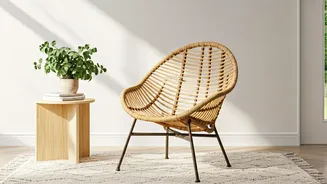
Introducing natural elements can also soften the space. Indoor plants, natural wood accents, and nature-inspired décor create a grounded, serene atmosphere that complements the season. These details, while simple, help bridge comfort with aesthetics.
Lighting, often overlooked, plays a defining role in setting the mood. Kalra advises against harsh overhead lighting, instead favouring diffused, layered sources, fabric lampshades, warm LEDs, and ambient fixtures that create a soothing environment, especially as the day winds down.
“A bedroom should feel like a retreat, especially in the summer. Small, thoughtful changes in materials, colours, and how we organise our spaces can completely transform how a room feels,” says Arushi Kathuria.
For Kalra, the philosophy is similar yet deeply rooted in design practice: a summer bedroom should feel effortless, breathable, and emotionally calming, an escape that aligns comfort with intention.
Ultimately, designing for summer is about restraint and clarity. By embracing lighter materials, calming tones, intentional organisation, and mindful detailing, a bedroom can seamlessly transition from a space that absorbs heat to one that radiates calm, a true haven in the warmer months.