






In today’s fast-paced lifestyle, convenience often determines our food choices. However, many foods that are commonly considered healthy may unknowingly slow down weight loss efforts. According to Dr Rajan
Modi, MBBS, MS, FMAS, Founder and Medical Director, Kapadia Multispecialty Hospital, a lack of awareness about hidden sugars, refined carbohydrates, and calorie density in everyday foods often prevents individuals from achieving effective and sustainable weight loss.
Hidden sugars, refined carbohydrates, excess calories, and low satiety value in everyday foods can interfere with fat loss and metabolic balance. The goal is not to eliminate these foods completely, but to understand how they affect the body and make smarter choices.
One of the most common culprits is fruit juice, particularly packaged varieties. Although often marketed as healthy, fruit juices contain concentrated sugars and lack the fibre present in whole fruits. Without fibre, sugars are absorbed quickly, which can lead to sudden spikes in blood sugar levels and reduced satiety. Whole fruits, on the other hand, provide fibre that slows digestion and keeps you satisfied for longer.
Another frequently misunderstood food is flavoured yogurt. Many packaged yogurts contain added sugars, artificial flavours, and extra calories that may increase cravings and overall calorie intake. Plain curd or Greek yogurt is a healthier alternative, as it provides protein and beneficial bacteria without unnecessary additives. Natural flavour can be added using fresh fruits, nuts, or spices such as cinnamon.
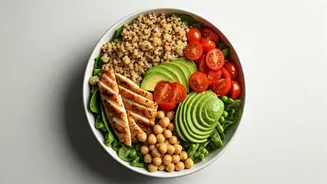
Even healthy meals like salads can become calorie-dense when paired with heavy dressings. Many packaged dressings contain hidden sugars, unhealthy fats, and preservatives. Preparing simple homemade dressings using lemon juice, olive oil, and herbs can help maintain the nutritional value of salads while enhancing their taste.
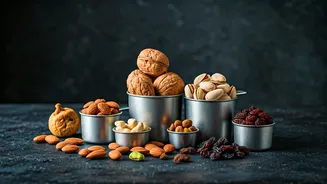
Dry fruits are another example of foods that are healthy but easy to overconsume. Nuts such as almonds and walnuts provide healthy fats and nutrients, but they are also calorie-dense. Consuming them in controlled portions, such as 8 to 10 almonds or 2 to 3 walnut halves, can provide benefits without adding excess calories.
White rice, a staple in many households, is often blamed for weight gain. However, rice itself is not harmful when eaten in moderation. The issue usually arises when large portions are consumed without sufficient protein, fibre, or vegetables. Combining rice with lentils, vegetables, or protein sources can improve satiety and help maintain balanced energy intake.
Many people also overlook the hidden sugars present in sweetened peanut butter. While peanuts themselves are nutritious, store-bought versions often contain added sugar and refined oils. Choosing natural peanut butter with minimal ingredients or preparing peanut paste at home can be a healthier alternative.
Energy drinks are another common obstacle to weight loss. These drinks often contain high levels of added sugar and provide empty calories. Even sugar-free versions may increase cravings in some individuals. Healthier alternatives include coconut water, lemon water, or plain black coffee without sugar.
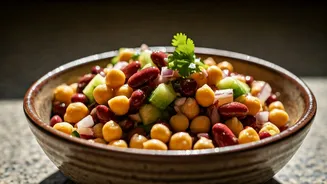
Packaged snacks such as namkeen and mixtures are widely consumed but are typically high in refined oils, sodium, and calories. Because they are easy to snack on mindlessly, they can quickly increase daily calorie intake. Replacing them with roasted makhana, roasted chana, or homemade snacks can help control calorie consumption.
Pasta is often associated with weight gain, but the problem usually lies in how it is prepared. Cream-based sauces significantly increase calorie content. Choosing whole wheat pasta and pairing it with vegetable-based or tomato-based sauces can make it a more balanced meal option.
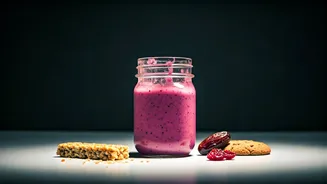
Lastly, digestive biscuits, often perceived as healthy, are usually made from refined flour, added sugars, and unhealthy fats. These biscuits are easy to overeat, especially with tea, and can quietly add excess calories to the diet. Healthier alternatives include nuts, seeds, or oat-based snacks that provide better satiety.
In addition to these foods, it is also important to be cautious with breakfast cereals and protein bars, which are frequently marketed as healthy options. Many contain hidden sugars and refined ingredients that can slow weight loss progress. Reading labels carefully and choosing minimally processed options can make a significant difference.
Weight loss is not about completely avoiding certain foods, but about understanding their effects and making informed choices. Portion control, balanced meals, and awareness of hidden calories are key factors in achieving sustainable weight loss and long-term metabolic health. Small, consistent changes in everyday eating habits can create meaningful and lasting results.