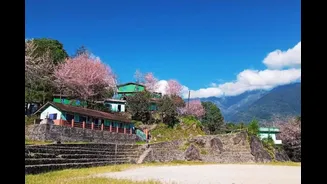





Who says you need to fly to Japan or South Korea to chase cherry blossoms? India has its own pretty-in-pink moment, and it arrives in the hills of Sikkim every November. Picture rolling tea gardens dusted
with delicate pink blooms, crisp mountain air, snow-capped Himalayan peaks and winding roads that seem to have been borrowed from a postcard. If your November holiday mood calls for something beyond the usual beach break, Sikkim has a rather lovely proposition.
This year, there’s another reason to plan a visit: the Sikkim Cherry Festival 2026 will take place from November 14 to 28 at Temi Tea Garden in South Sikkim. From flower-filled landscapes and scenic drives to mountain views and cultural experiences, here are five reasons to put Sikkim on your November travel itinerary.
5 Reasons To Visit Sikkim This November
1. Cherry Blossoms Are Painting The Hills Pink
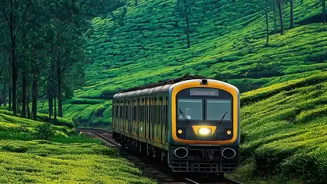
Let’s start with the obvious showstopper. November brings the winter cherry blossom season to parts of Sikkim, transforming stretches of the landscape into delicate shades of pink. Temi Tea Garden in South Sikkim is among the prettiest places to catch the blooms, where cherry trees frame rolling tea plantations and create a rather dreamy contrast against the surrounding mountains. The sight of pink blossoms against a backdrop of lush green tea bushes and crisp blue skies is enough to make you want to extend your holiday.
The flowering season also brings the Sikkim Cherry Festival into the picture. Running from November 14 to 28 this year at Temi Tea Garden, the festival will celebrate the region’s natural beauty, local culture and community traditions. Expect cultural performances, traditional attire showcases, flower exhibitions and adventure activities. There will also be musical performances, making it a lovely opportunity to experience Sikkim beyond its scenic viewpoints.
2. The Himalayan Views Are At Their Best
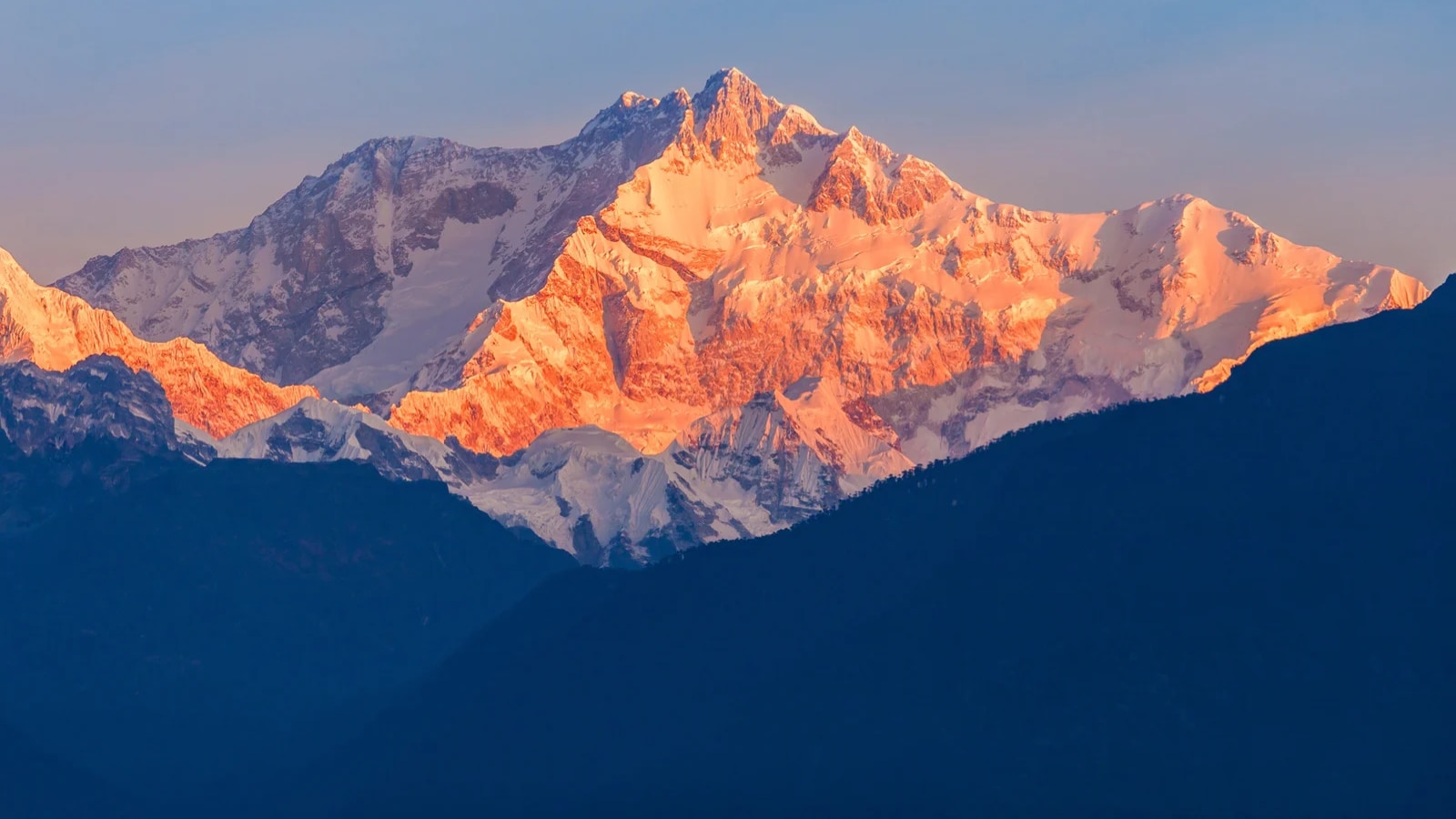
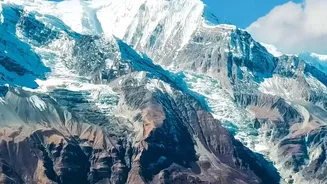
If you’ve been dreaming of waking up to uninterrupted mountain views, November is an excellent time to visit Sikkim. With the monsoon retreating and winter settling in, the skies are generally clearer, offering better visibility of the eastern Himalayas. The mighty Kanchenjunga becomes a particularly spectacular sight from viewpoints around Pelling, Ravangla and Zuluk. And trust us, watching the first rays of sunlight hit those snow-covered peaks is worth setting an alarm for.
The pleasant daytime weather also makes sightseeing more enjoyable, although temperatures drop considerably after sunset, particularly at higher altitudes. Spend your mornings chasing mountain views, explore monasteries and local villages through the afternoon, and settle in for cosy evenings with a warm cup of tea. Just remember to pack those winter layers. The Himalayan chill is not particularly interested in your fashion plans.
3. The Silk Route Makes For A Spectacular Road Trip
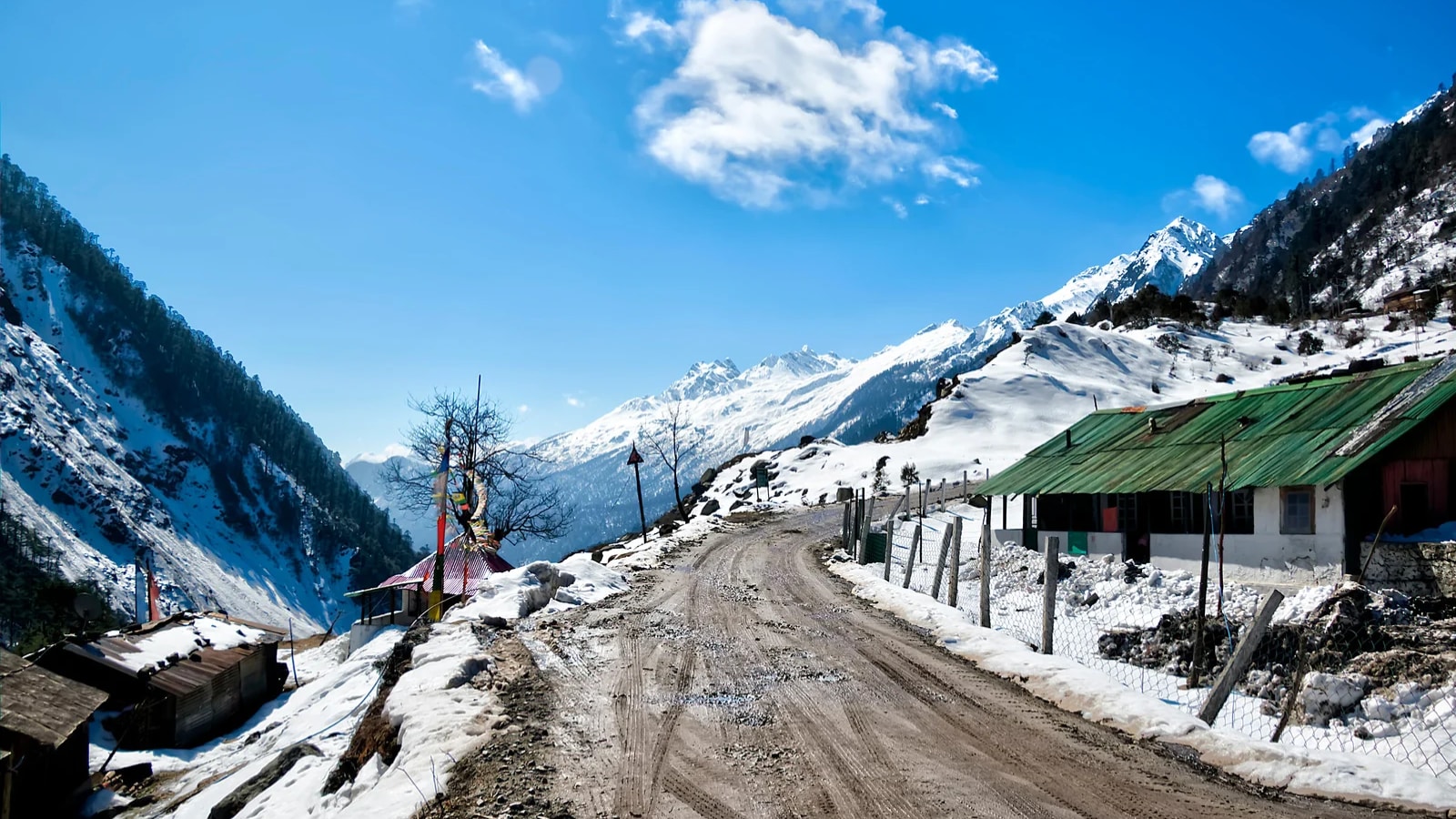
For anyone who enjoys a scenic road trip, Sikkim’s historic Silk Route deserves a spot on the itinerary. This mountain highway in East Sikkim winds through dramatic hairpin bends, sleepy villages, sweeping valleys and high-altitude landscapes. Zuluk, Nathang Valley, Kupup and Aritar are among the stops that make the journey particularly memorable.
November adds another layer of charm, with crisp weather, clear mountain views and the changing colours of the autumn landscape. Zuluk’s famous winding roads offer spectacular vantage points, while Nathang Valley’s wide-open terrain feels wonderfully removed from everyday life. Keep your camera handy, because the views change around practically every bend. Do check road conditions and permit requirements before travelling, as access to certain stretches depends on weather and local regulations.
4. The Lakes Look Even More Magical In Winter
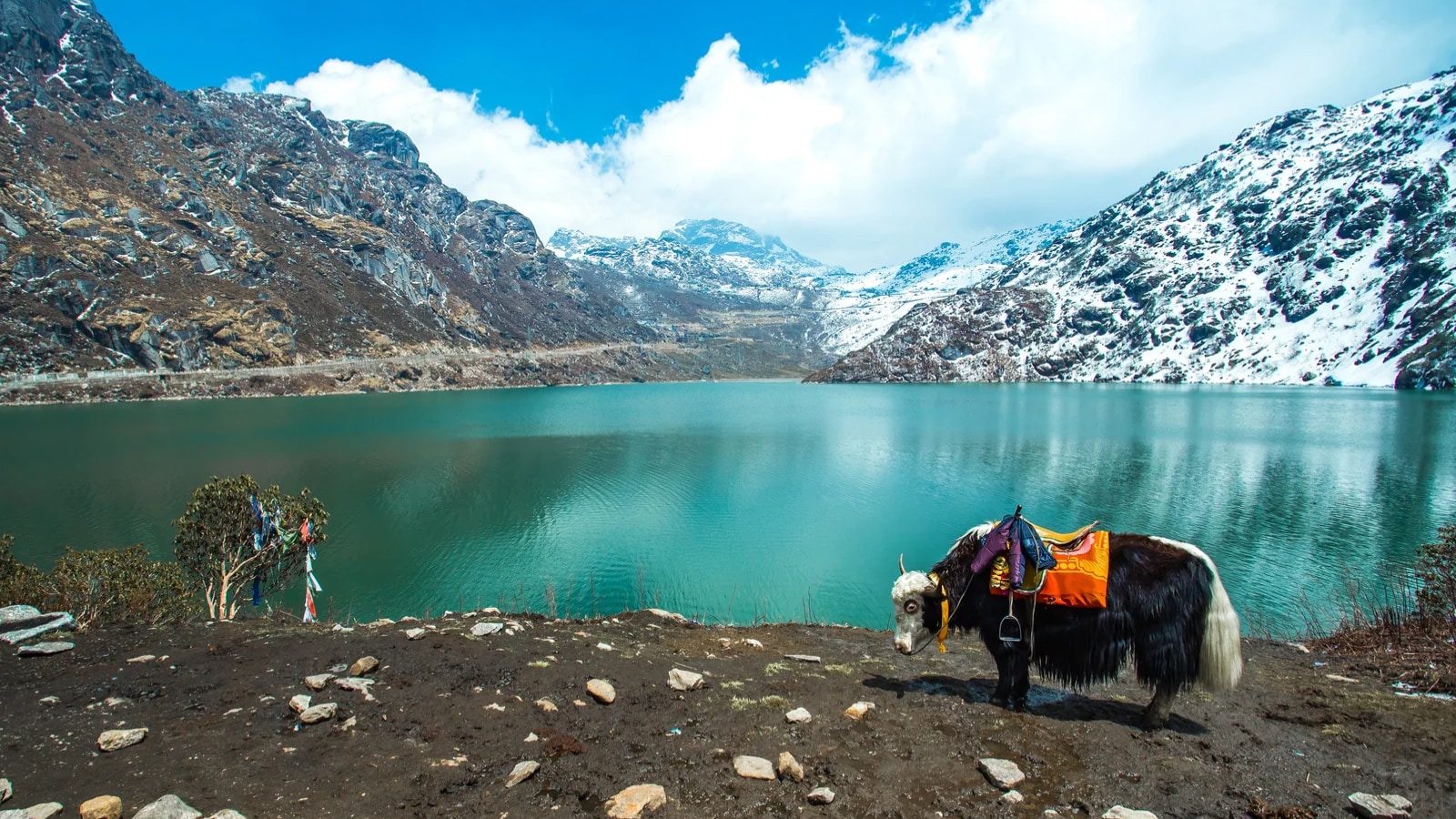
Sikkim’s lakes have a way of making you pause mid-sentence, and November is a particularly beautiful time to visit them. Tsomgo Lake, also known as Changu Lake, sits at an altitude of around 12,400 feet and is surrounded by dramatic mountain slopes. As temperatures dip, the water begins to take on a colder, almost icy appearance, making the landscape look straight out of a winter postcard.
For a quieter experience, Khecheopalri Lake in West Sikkim offers a peaceful forest setting and is considered sacred by both Buddhists and Hindus. Gurudongmar Lake in North Sikkim is another spectacular high-altitude destination, known for its dramatic mountain backdrop and exceptionally clear waters. However, access to these high-altitude locations depends on weather, road conditions and permits. Check locally before planning your excursion, particularly as winter approaches.
5. Explore Sikkim Before The Peak Winter Holiday Rush
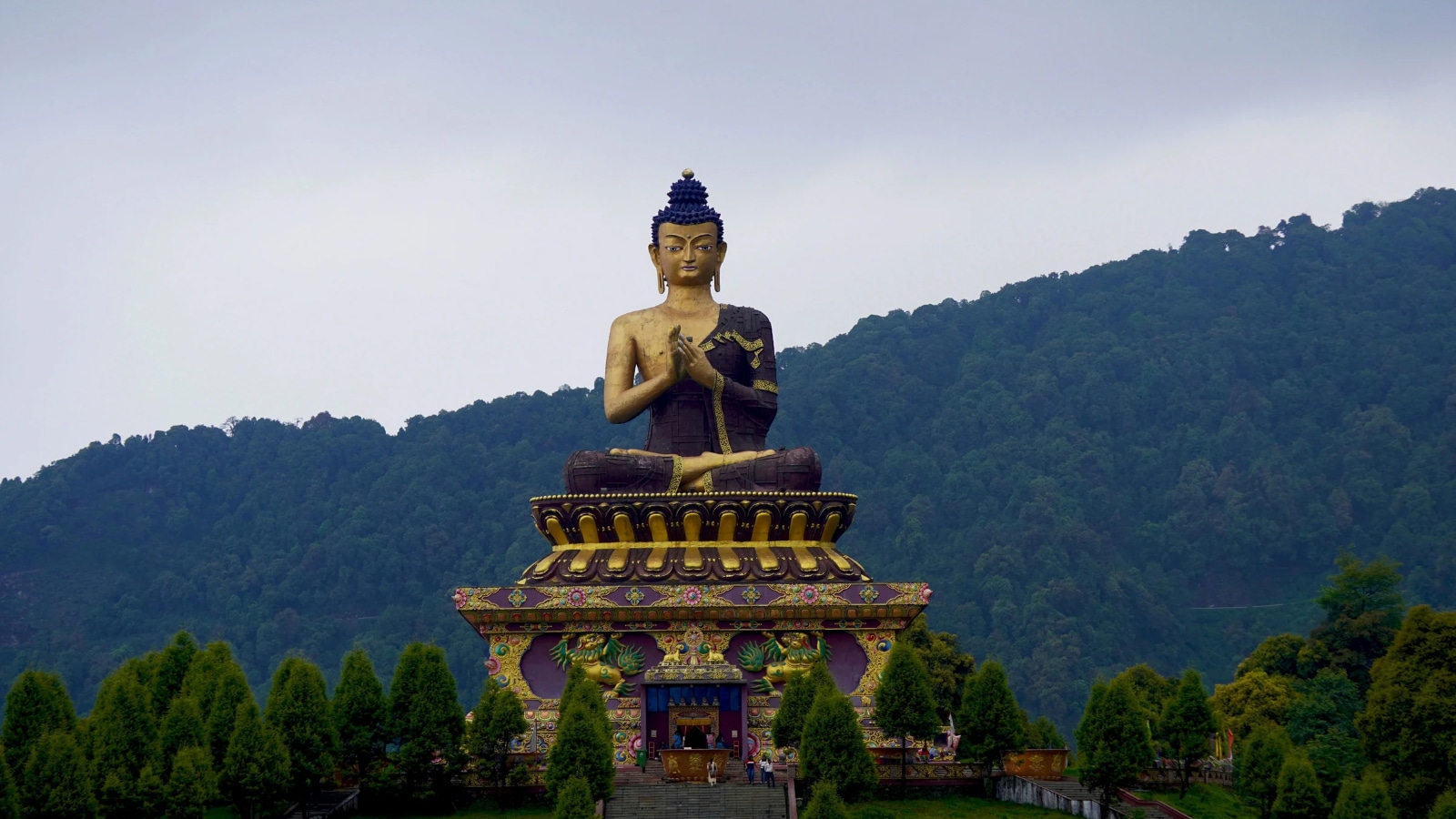
There is something particularly lovely about travelling just before a destination enters its busiest holiday season. November offers an opportunity to explore Sikkim’s popular attractions without the Christmas and New Year crowds that descend on the hills later in December. You can spend more time wandering through Gangtok’s cafés and markets, visit monasteries at a leisurely pace or discover smaller villages without feeling like you’re constantly navigating a tourist trail.
Try traditional dishes such as thukpa, phagshapa and momos, explore local handicraft markets and make time for a monastery visit. If you’re staying around Namchi or Ravangla, the surrounding villages and tea-growing landscapes deserve a little exploration too.
From cherry blossoms at Temi Tea Garden and panoramic Himalayan views to winding mountain roads and beautiful high-altitude lakes, Sikkim has plenty going for it this November. The cherry festival adds another reason to visit.
So, if Japan’s cherry blossom season feels a little too far away, perhaps it’s time to look closer to home.