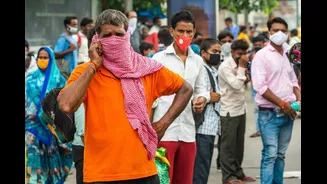








One morning it is a scratchy throat. By evening, you are exhausted, your head hurts and your nose is blocked. The changing season and confusing weather patterns in Delhi has brought in an outbreak of respiratory
diseases, with flu, H1N1, COVID-19, and other viral infections precipitating a mammoth health crisis.
Seasonal flu, H1N1 (swine flu) and COVID-19 share overlapping symptoms such as fever, cough, fatigue and body aches, but they differ in how quickly they strike, which symptoms stand out, and how severe they can become. So, is it a regular seasonal flu, H1N1 swine flu or COVID-19?
Understanding the differences helps you decide when to rest at home, when to test, and when to seek medical help. Simple habits like handwashing, masks in crowded places, staying home when sick, and timely vaccines remain the strongest protection.
The question has become particularly relevant in India as H1N1 cases rise. Delhi reported 1,777 H1N1 infections up to August 20, 2026, compared with 229 during the corresponding period last year. Importantly, the Indian Council of Medical Research has said there is no new H1N1 strain driving the increase. The circulating virus is being described as seasonal influenza.
So, how do you tell these illnesses apart?
Seasonal Flu Vs H1N1 Vs COVID-19: Spot the Difference Between All Symptoms
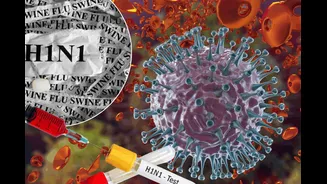
The first thing to know is that H1N1 is not a completely separate illness from influenza. H1N1 is a subtype of Influenza A, commonly referred to as swine flu. The symptoms can overlap substantially with those caused by other seasonal influenza viruses.
COVID-19, meanwhile, is caused by SARS-CoV-2, a coronavirus rather than an influenza virus. Because the viruses are different but can produce similar respiratory symptoms, identifying the infection based only on how you feel can be difficult.
Despite their similarities, there are a few key distinctions between seasonal flu, H1N1 (swine flu), and COVID-19. Below is a breakdown of the differences in symptoms:
| Symptom | Seasonal Flu | H1N1 (Swine Flu) | COVID-19 |
|---|---|---|---|
| Fever | Common (often high, sudden onset) | Common (can be high; sometimes absent) | Common, often prolonged |
| Cough | Dry, can be severe | Dry, can be severe | Dry, persistent, can worsen |
| Fatigue | Common, sudden onset | Common, can be extreme | Common, can be severe and lingering |
| Muscle Aches | Common, often intense | Common, often intense | Common, often intense |
| Loss of Taste/Smell | Rare | Rare | More common (especially earlier variants) |
| Shortness of Breath | Rare (unless complications) | Rare (unless complications) | More common in moderate to severe cases |
| Runny Nose / Sneezing | Sometimes | Sometimes | Less common |
| Vomiting / Diarrhoea | Less common (more in children) | More common than regular flu | Possible |
| Onset | Sudden | Sudden | More gradual |
*Information provided in this table is for informational purposes only. Symptoms can overlap and vary by individual. Testing is the most reliable way to confirm the cause of illness. Consult a doctor for proper diagnosis and advice.
Here’s a clear breakdown to help you spot the differences and stay safer.
Seasonal Flu
Seasonal flu (caused by circulating influenza A or B strains) usually arrives abruptly. One moment you feel fine; the next you are hit with high fever, chills, severe body aches, headache, dry cough, sore throat and extreme fatigue.
Symptoms typically last 5–7 days, though tiredness can linger longer. Most healthy people recover with rest, fluids and symptom relief. Complications such as pneumonia are more likely in young children, the elderly, pregnant women and those with chronic conditions.
H1N1 (Swine Flu)
H1N1 is a specific subtype of influenza A that has become part of seasonal circulation. It shares many features with regular flu — sudden fever, cough, sore throat, body aches, headache and weakness.
What sets it apart for some patients is the higher chance of gastrointestinal symptoms such as vomiting, diarrhoea, loss of appetite and unusual weakness, even without high fever. In the current Indian surge, doctors have noted cases where people experienced mainly stomach upset and fatigue rather than the classic respiratory picture.
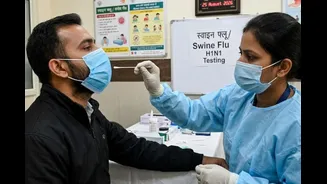
Like seasonal flu, most infections remain mild, but high-risk groups face greater chances of breathing difficulty or secondary infections. Early testing (RT-PCR) can confirm H1N1 when symptoms persist or worsen.
COVID-19
COVID-19 symptoms often develop more gradually than flu. Common signs include fever or chills, cough, fatigue, sore throat, congestion, headache, muscle aches, and in some people loss of taste or smell. Shortness of breath or chest discomfort can appear, especially in more severe cases.
Some individuals have only mild cold-like symptoms or none at all, yet can still spread the virus. Gastrointestinal issues (nausea, diarrhoea) also occur. Symptoms may last from a few days to two weeks or longer in some cases. Testing remains the most reliable way to distinguish COVID-19 from flu viruses.
Why Hand Hygiene is Important?
Respiratory viruses can spread through droplets and contaminated hands or surfaces. Regular handwashing with soap and water is one of the simplest ways to reduce the risk of infection and prevent germs from reaching your eyes, nose or mouth.
Wash your hands for at least 20 seconds, making sure to clean between your fingers, around your nails and the backs of your hands. If soap and water are unavailable, use an alcohol-based hand sanitiser containing at least 60% alcohol.

It is also worth cleaning frequently touched surfaces such as door handles, light switches, phones and keyboards regularly. These simple habits, combined with good ventilation, covering coughs and sneezes and staying home when unwell, can help limit the spread of flu, H1N1 and COVID-19.
Key Preventive Measure To Take When You Are Sick
- Wash hands frequently with soap and water for at least 20 seconds, especially after being in public places or before eating.
- Stay home when sick and avoid close contact with vulnerable family members.
- Wear a mask in crowded or poorly ventilated indoor spaces during high-transmission periods.
- Improve ventilation at home and work by opening windows when possible.
- Get vaccinated: Annual flu vaccine (which covers circulating H1N1 strains) and updated COVID-19 boosters significantly reduce the risk of severe illness. Discuss timing with your doctor, especially if you belong to a high-risk group.
- Practice respiratory hygiene: cover coughs and sneezes with a tissue or elbow, then dispose of the tissue and wash hands.
- Avoid self-medication: If symptoms are severe, persistent, or include breathing difficulty, chest pain, confusion or dehydration, seek medical care promptly. Antiviral medicines (when prescribed early) can help in certain flu and COVID-19 cases.
If You’re Sick, Should You Stay At Home And Rest Or See A Doctor?
If symptoms develop, taking the right precautions can support recovery while reducing the risk of passing the infection to others. Stay home and limit close contact while you are unwell. Get adequate rest and drink plenty of fluids to stay hydrated.
Over-the-counter medicines may help manage fever, headaches or body aches when appropriate. A humidifier can also provide relief from a blocked or irritated nose. Seek medical advice if symptoms become severe, worsen, or do not improve as expected.