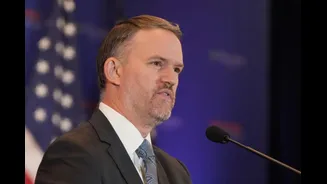





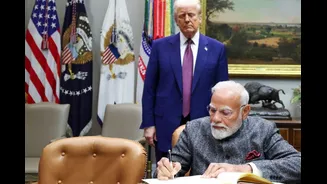
US Trade Representative Ambassador Jamieson Greer described the landmark India-US trade agreement as a “very exciting opportunity,” saying that New Delhi agreed to reduce tariffs on American manufactured
goods, chemicals and medical devices as part of the reciprocal deal.
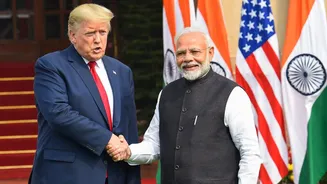
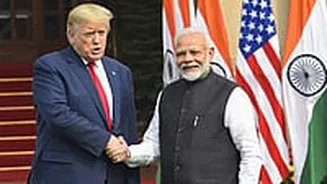
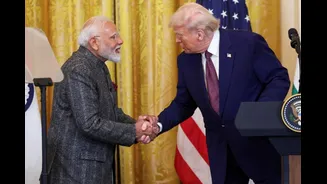
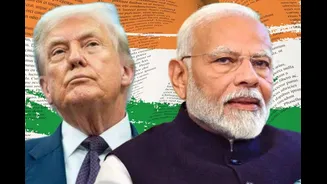
“It’s a very exciting opportunity. On the one hand, we’ll continue to maintain some level of tariff against India… but they’ve also agreed to reduce their tariffs for us on a variety of agricultural products, manufactured goods, chemicals, medical devices, etc,” Ambassador Greer stated, outlining the agreement announced by US President Donald Trump and Prime Minister Narendra Modi.
The disclosure confirms that while the United States slashed its tariffs on Indian goods from 50% to 18%, India has made corresponding commitments to lower barriers for American exporters across multiple sectors.
Deal Creates Opportunities Across Indian Economy
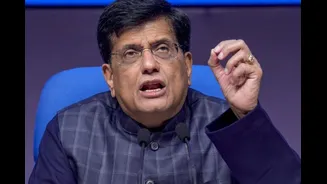
Commerce Minister Piyush Goyal welcomed the agreement, emphasizing that it would unlock significant opportunities for Indian industry while protecting sensitive domestic sectors.
“I believe that through this deal, our MSMEs, our engineering sector, all the players in our engineering sector whether they manufacture auto components, electrical parts, or work on selling various types of engineering goods in America, or plan to do so in the future our textile sector, our gems and jewelry sector, our leather goods sector, our marine goods sector, will all get numerous opportunities through this deal,” Goyal said.
Despite India’s commitment to reduce tariffs on US agricultural products, Goyal stressed that PM Modi had ensured the protection of India’s sensitive economic sectors, particularly agriculture and dairy.
“PM Modi has always championed both the agriculture and dairy sectors, safeguarding their interests and working tirelessly to ensure a bright future and ample opportunities for the people in this sector. I am pleased that the entire country understands and appreciates this, and it resonates deeply with them. The sensitive factors of India’s economy, particularly agriculture and dairy, have been protected,” the minister stated.