
At a time when Bollywood is already grappling with big shifts in music and storytelling, the news of Arijit Singh stepping away from playback singing has landed with real emotional weight. His voice has been
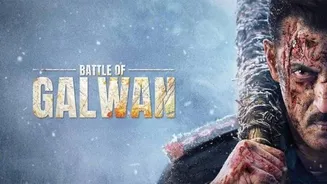
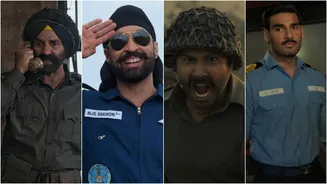
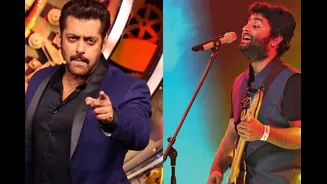
part of people’s lives for over a decade, quietly soundtracking love, loss, hope and heartbreak across Hindi cinema. According to industry chatter, Arijit’s song “Maatrubhumi” from Salman Khan’s upcoming film Battle of Galwan is likely to stand as his final mainstream Bollywood playback track. The timing has made fans revisit his long, often misunderstood equation with Salman Khan. Salman and Arijit go back many years, but their relationship was not always smooth. For nearly a decade, speculation around a fallout dominated chatter in film circles, often blamed for Arijit’s reduced presence in Salman-led projects. That narrative, however, changed last year when Salman addressed the issue directly on television. Salman breaks the silence on Bigg Boss In October, Salman Khan spoke openly about the matter on Bigg Boss 19 during Weekend Ka Vaar. Talking to comedian Ravi Gupta, the actor made it clear that there was never any hostility. “Arijit aur main bahut achhe dost hai. Woh misunderstanding thi aur woh misunderstanding mere side se huyi thi. Uske baad usne gaane bhi kiye mere liye. Tiger 3 mein kiya usne, agge Galwan (Battle of Galwan) mein kar raha hai,” Salman said. How the misunderstanding began The incident that fuelled years of rumours dates back to the 2014 Star Guild Awards. Arijit Singh, fresh off the success of “Tum Hi Ho”, walked on stage to receive an award after a run of exhausting shows. Salman, hosting the evening, joked, “So gaye the?” Arijit replied with a smile, “Aap logon ne sula diya yaar.” The audience laughed, but the moment reportedly did not land well with Salman at the time, becoming the starting point of long-running speculation.
When the matter refused to die down, Arijit took to social media in 2016 to publicly apologise to Salman. In a heartfelt post, the singer asked the superstar to forgive him, insisting that he had never meant to insult him and that the entire incident had been a case of bad timing and misunderstood humour.