






Minimalism is no longer just a design trend, it’s becoming a way of life. In a world increasingly defined by noise, excess, and constant stimulation, Indian homes are beginning to reflect a quieter, more
intentional approach to living. Clean lines, muted palettes, and thoughtfully chosen pieces are replacing overcrowded interiors, signalling a deeper shift toward mental clarity and emotional wellbeing.
At its core, minimalism is about more than aesthetics. It’s about creating spaces that breathe, homes that offer a sense of calm the moment you step in.
Designing with Purpose, Not Excess
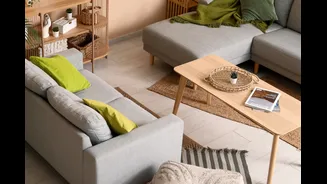
For many homeowners, the move toward minimalism begins with rethinking functionality. According to Raghunandan Saraf, modern Indian homes are moving away from bulky, single-purpose furniture to more versatile, thoughtfully designed pieces. The focus is shifting to utility-driven design, where every element serves a purpose without overwhelming the space.
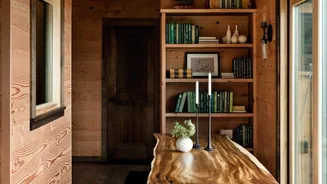
This also reflects a growing preference for quality over quantity. Instead of filling homes with multiple decor items, consumers are investing in fewer, better-crafted pieces. Solid wood furniture, timeless in design and durable in nature, is gaining traction as it aligns seamlessly with minimalist values.
The Luxury of Space and Stillness
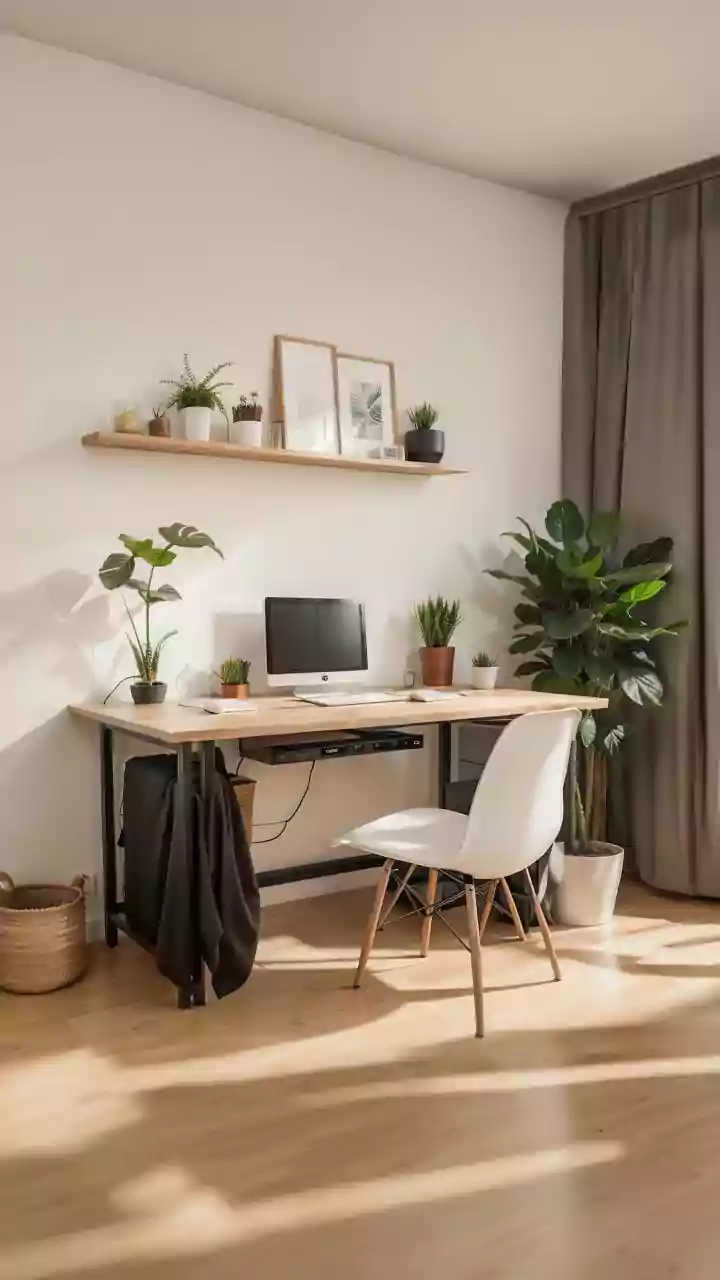
Minimalism is redefining what luxury looks like. It is no longer about opulence or abundance, but about space, both physical and mental. Open layouts, uncluttered corners, and restrained décor are emerging as markers of modern sophistication.
As Saraf points out, decluttered environments naturally create a sense of calm, allowing homeowners to experience their spaces more fully. In this context, “less” is not a compromise, it’s an upgrade.
Engaging the Senses, Subtly
Minimalist homes are often misunderstood as stark or impersonal. But as Ridhima Kansal explains, the modern minimalist home engages all five senses, just in a more understated way.
Aromatherapy, in particular, is playing a key role in elevating these spaces. Carefully chosen scents, whether through candles, diffusers, or essential oils, can transform a room into a sanctuary. Notes like lavender, sandalwood, and soft woody blends bring warmth and depth without visual clutter, enhancing the emotional experience of a space.
The Mind-Home Connection
There is a growing awareness that clutter isn’t just physical, it’s sensory and psychological. Overstimulating environments can impact mental wellbeing, making the minimalist approach especially relevant in today’s fast-paced world.
Kansal highlights how fragrance can help counter this overload, creating an atmosphere that promotes calm and clarity. When paired with intentional design, these elements contribute to a home that supports both relaxation and focus.
Creating Spaces for Mindfulness
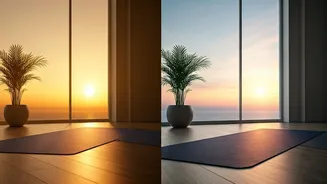
Minimalist interiors are also encouraging the rise of dedicated mindfulness zones within homes. Whether it’s a quiet corner with a candle, a sunlit nook for meditation, or simply an uncluttered space to pause, these areas are becoming essential.
The idea is simple: when your surroundings are calm, your mind follows.
The Future of Indian Interiors
Minimalist design in India is evolving beyond visual appeal to embrace a more holistic philosophy, one that prioritizes mental wellbeing as much as functionality. By reducing both physical and sensory clutter, homes are transforming into restorative spaces that nurture both body and mind.
In this new design language, every object has intention, every corner has purpose, and every space tells a story of balance.
Because sometimes, the most powerful statement a home can make is in what it chooses to leave out.