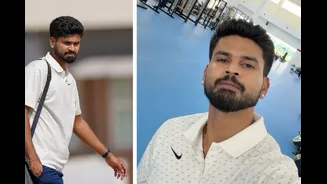



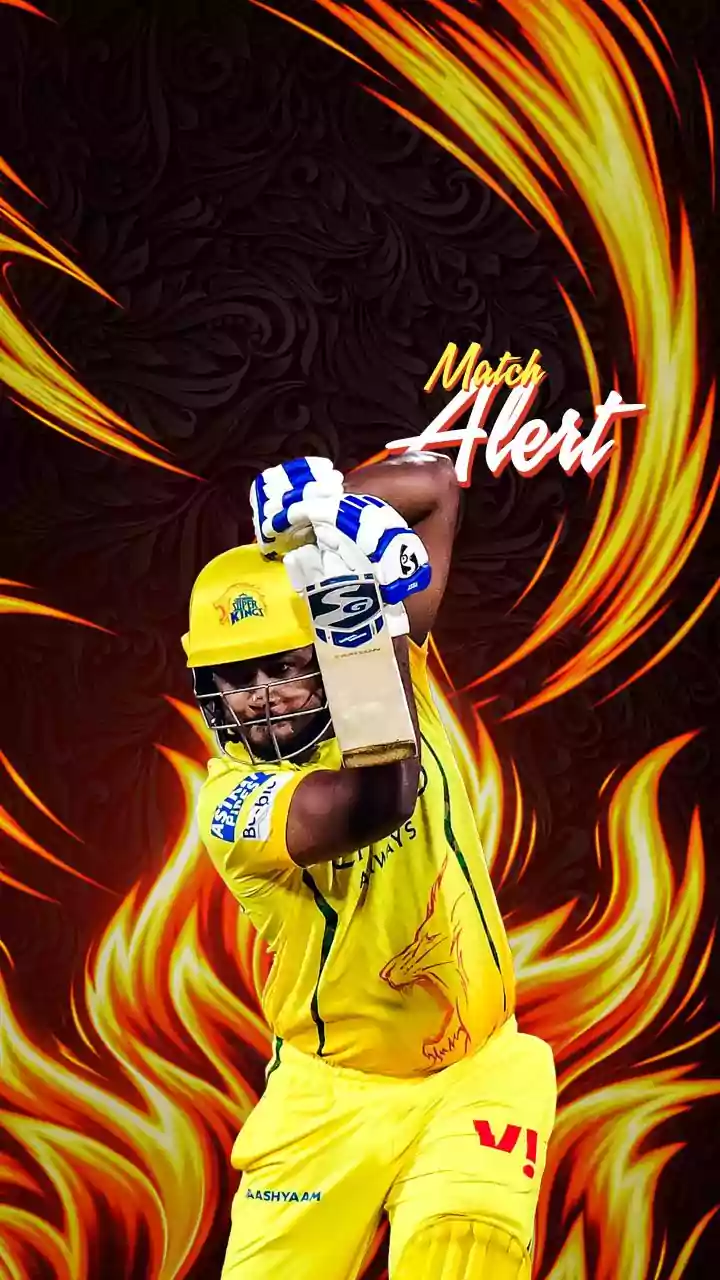


India’s star batter Shreyas Iyer reported to the Board of Control for Cricket in India’s (BCCI) Centre of Excellence (CoE) in Bengaluru on Friday, for further assessment of his recovery from a spleen injury
after resuming batting practice in his hometown, Mumbai.
Shreyas also took to social media to post a photo of himself art BCCI CoE, as well as a video of him in the nets. Iyer batted for around 30-45 minutes at the Cricket Club of India (CCI) nets in Mumbai after starting light gym training nearly ten days ago.
WATCH:
Shreyas Iyer’s first net Season after injury at cci on 24th December
He batted around one hour without any discomfort and went to coe the next day
He is currently at coe pic.twitter.com/zUj4KnL6sL— Sawai96 (@Aspirant_9457) December 26, 2025

What Happened To Shreyas?
Iyer, India’s ODI vice-captain, sustained a serious spleen laceration while attempting a diving catch off Australia wicketkeeper-batter Alex Carey during the third ODI against Australia at the Sydney Cricket Ground on October 25. Subsequent scans at a Sydney hospital revealed internal bleeding that required immediate hospitalisation and intensive care.
He underwent a minor surgical procedure to control the bleeding and was closely monitored by medical specialists in both Australia and India, including the Indian team doctor, before his condition improved and he returned home.
When Will Shreyas Play Again?
Iyer’s participation in India’s three ODIs against New Zealand in January remains uncertain. However, his involvement in the ongoing Vijay Hazare Trophy (VHT) for Mumbai depends entirely on the findings of the CoE assessment.
At the CoE, Iyer will undergo a comprehensive and multi-tiered fitness evaluation. This will involve updated imaging, cardiovascular assessments, acceleration-deceleration repetitions, endurance profiling, and simulation-based net sessions. His batting workload will be tracked for intensity variations, recovery times, heart rate thresholds, and movement reactivity after shot execution. The goal is straightforward — to assess match durability under controlled stress, and then replicate it.
(With inputs from Agencies)