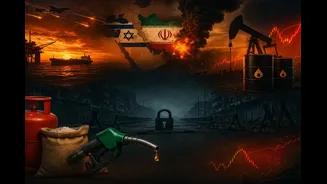



Will countries across the globe see a Covid-like shutdown due to the energy crisis emerging out of the war involving United States, Israel and Iran? The term “energy lockdown” has gained momentum on the social
media with users wondering whether their country would be next to impose restrictions amid the ongoing conflict.
Several countries have announced restrictions, aiming to conserve fuel, gas and electricity as global oil supply remains hit with no free movement of ships through the Strait of Hormuz. While this is not being called a “lockdown”like it was during the 2020 COVID-19 pandemic, the Internet has come up with the term “energy lockdown.”
Influencers on Instagram have been posting reels over the past one week, talking about how countries are announcing Covid-like measures and are calling it “energy lockdown”.
What Is An ‘Energy Lockdown’?
Since the term is coined by social media users and is not really an official phrase, there is no clear definition of ‘energy lockdown’. The term is being used to describe the current situation, where governments and societies are adopting measures that restrict energy use or movement in order to conserve limited energy supplies.
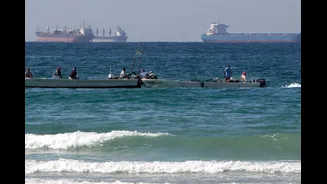
It refers to the idea that societies might have to dramatically alter the way they produce and consume energy because of acute shortages and sharply rising oil and gas prices. The war in Iran and West Asia, particularly disruptions to exports through the Strait of Hormuz — a critical transit hub for around a fifth of the world’s oil — has caused a fuel and gas supply shock that is tightening global markets and forcing countries and international bodies to consider demand-side measures such as encouraging remote work, reducing travel, lowering speed limits, and other steps to stretch limited resources as prices climb and supplies become volatile.
People are using the term “energy lockdown” to evoke parallels with the COVID-19 pandemic lockdowns because of the way these energy conservation measures could affect everyday life, for example, fewer commuters on the roads, less non-essential travel, and more stringent energy-saving behaviours, not because governments are sealing borders or shutting down cities for energy reasons. It is being used to describe the scenario in which energy availability becomes so constrained that normal economic and social routines are significantly altered to cope with high costs and limited supplies, even if these changes are voluntary, recommended, or temporary rather than enforced by law.
Why Is The Term Gaining Momentum On Internet?
The term ‘energy lockdown’ gained momentum over the past few days after countries started announcing curbs. It gained more relevance after the International Energy Agency (IEA) recommended governments to announce restrictions to save fuel.
Here’s what the IEA recommended:
1. Work from home where possible
2. Reduce highway speed limits by at least 10 km/h
3. Encourage public transport
4. Alternate private car access to roads in large cities on different days
5. Increase car sharing and adopt efficient driving practices
6. Efficient driving for road commercial vehicles and delivery of goods
7. Divert LPG use from transport
8. Avoid air travel where alternative options exist
9. Where possible, switch to other modern cooking solutions
10. Leverage flexibility with petrochemical feedstocks and implement short-term efficiency and maintenance measures
Which Countries Have Announced Restrictions Amid The Ongoing War?
Fuel Rationing & Purchase Limits
In Sri Lanka, private vehicle owners can buy only up to a fixed weekly petrol quota using a QR-code–based national fuel pass system. Public holidays have also been declared for schools, universities, and non-essential government staff to reduce fuel use.
In Myanmar, an odd-even system has been put in place based on vehicle registration numbers determines when private vehicles can refuel. Severe shortages have also shut many petrol pumps.
In Bhutan, fuel sales in jerry cans have been prohibited to prevent stockpiling. Supplies are being prioritised for emergency and essential services.
In Slovakia, authorities have imposed official purchase quotas to stop diesel hoarding.
In Slovenia, the country’s second-largest fuel retailer has capped how much fuel cars and trucks can buy per visit.
In South Africa, controlled allocation mechanisms have been introduced across industries to manage diesel supply and prevent panic buying.
In Kenya, fuel rationing has begun domestically, alongside a temporary halt on exports as reserves run low.
Workweek Reductions & Remote Work
In Pakistan, government offices now function on a four-day work week. Fuel allocations for departments have also been cut by 50 per cent.
In Philippines, civil servants have shifted to a four-day work week, and non-essential official travel has been restricted.
In Laos, mandatory work-from-home rules for civil servants are in place, along with rotational shifts to reduce commuting.
In Vietnam, businesses are being encouraged to enable remote work, and citizens are advised to use public transport more frequently.
Transport & Mobility Restrictions
In New Zealand, the government is considering reviving weekly “car-free days,” requiring motorists to stay off roads one designated day each week. An Amber Alert system is monitoring national fuel reserves, and soaring prices have led to large-scale flight cancellations by the national carrier.
In Vietnam, public transport use is being actively promoted over private vehicle travel.
Power & Electricity Conservation Measures
In Bangladesh, all educational institutions have moved to online classes to ease grid pressure. Households face scheduled multi-hour rotational power cuts so electricity can be diverted to priority export industries.
In Egypt, energy-saving rules require malls and restaurants to close by 9 pm and government buildings by early evening. Illuminated advertising billboards have been switched off.
Fuel Supply Disruptions & Station Closures
Philippines has officially declared a nationwide energy emergency in response to rising fuel costs and supply issues linked to the Iran war’s impact on global oil markets. This is a formal executive order to activate emergency measures aimed at stabilising fuel supply and prices.
In Cambodia, around one-third of fuel stations have shut operations due to supply shortages.
In Myanmar, widespread petrol pump closures have accompanied rationing measures.
Is An ‘Energy Lockdown’ Going To Happen In India?
Indian social media has been flooded with speculation around possible restrictions in the country amid the global energy crisis. However, the government so far has dismissed rumours around any such curbs being considered.
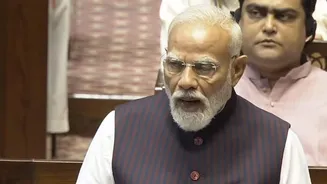
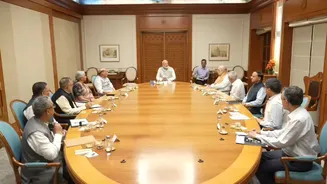
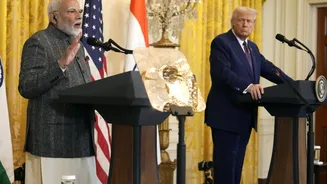
Addressing both Houses of Parliament on March 23 and 24, Prime Minister Narendra Modi emphasised that while international oil and gas markets are facing volatility, the government’s priority was to ensure that ordinary citizens do not face disruption in daily life.
The Prime Minister underlined that India is treating the situation as a serious global challenge. He said the government is focused on proactive management by securing supplies, diversifying import sources, stabilising prices, and maintaining adequate reserves of essential fuels such as LPG, petrol and diesel.
PN Modi stressed that his government has experience in handling large-scale disruptions, pointing to the coordinated national response during the COVID period as an example of administrative preparedness and cooperative federalism. He said similar coordination is underway now between the Centre, states, public sector energy firms and global partners to keep supply chains functioning smoothly.
Global energy markets are under stress due to real supply risks, and international bodies like the IEA are advising demand-reduction measures in some places. This has led to social media buzz and some people turning it into an “energy lockdown” narrative.