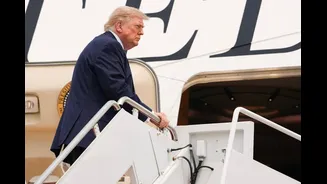










A ceasefire proposal is ready. Regional powers are trying to bring Washington and Tehran to the negotiating table. Yet, after over two weeks into the renewed conflict, there is little indication that US
President Donald Trump is ready to hit pause.
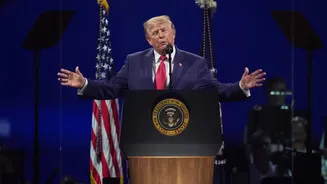
According to an Axios report, Trump has not backed a proposal for a 10-day ceasefire brokered by countries, including Qatar, Oman, Egypt and Pakistan. The reason is simple: The White House believes the war has not yet reached the point where diplomacy offers a better deal than continued military pressure.
Ceasefire On The Table But Trump Hasn’t Endorsed It
According to Axios, Qatar, Oman, Egypt and Pakistan are leading a mediation effort aimed at halting the fighting through an interim 10-day ceasefire. The proposal was discussed during talks in Muscat earlier this month and is designed to create space for broader negotiations between Washington and Tehran.
ALSO READ | Who Knew First? $600,000 Wagered On US-Iran Ceasefire, Raising White House Insider Trading Questions
However, Trump has neither publicly endorsed the proposal nor indicated that the US is ready to pause military operations. Axios reported that it remains unclear whether the president has been fully briefed on the framework, though officials involved in the discussions say Washington is in no hurry to embrace the plan.
Why Is Trump Holding Back?
The biggest reason appears to be leverage.
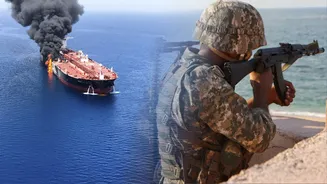
Despite 10 days of US strikes on Iranian military and strategic targets, Iran has not reopened the Strait of Hormuz, the narrow waterway through which nearly a fifth of the world’s oil trade passes. The Trump administration reportedly believes continued military pressure could strengthen Washington’s hand before any negotiations begin.
Another factor is the recent Iranian missile strike in Jordan that killed two US service members. The attack hardened Washington’s stance and shifted the focus from de-escalation to retaliation, making an immediate ceasefire politically and strategically more difficult.
Axios reported that officials on both sides believe neither Washington nor Tehran wants to enter negotiations from a position of perceived weakness. Instead, each side appears to be trying to improve its bargaining position before agreeing to talks.
What Does The Ceasefire Proposal Say?
The proposal is not a permanent peace agreement but a temporary confidence-building measure.
According to Axios, it envisages an immediate 10-day ceasefire between the United States and Iran, talks during the truce aimed at reopening the Strait of Hormuz, negotiations on a broader political and security framework if the pause holds, and continued mediation by Qatar, Oman, Egypt and Pakistan to bridge differences between the two sides.
ALSO READ | US Says Nearly 100 Troops Injured Since Iran War Resumed Two Weeks Ago, 96% Back On Duty
Iran has reportedly acknowledged receiving the proposal and is reviewing it, though no formal response has been announced.
Why These Countries Are Mediating
The four countries involved each have channels of communication with both Washington and Tehran.
Oman has long acted as a discreet intermediary between the US and Iran and has hosted several rounds of backchannel diplomacy over the years.
Qatar, which hosts the largest US military base in the Middle East, has increasingly positioned itself as a regional mediator while maintaining working ties with Iran.
Egypt remains a key Arab diplomatic player and has supported efforts to prevent a wider regional conflict.
ALSO READ | When The Taps Run Dry: How The US-Iran Conflict Is Threatening Gulf Water Supplies
Pakistan, which shares a border with Iran and has close relations with Gulf countries as well as Washington, has joined the initiative amid growing concerns that the conflict could destabilise the wider region.
Their objective is to prevent the war from escalating further while creating an opening for sustained negotiations.
What’s At Stake?
The ceasefire effort is about more than ending the immediate fighting.
One of its primary goals is reopening the Strait of Hormuz, whose disruption has rattled global energy markets and raised fears of prolonged supply shocks. Restoring commercial shipping through the waterway would ease pressure on oil prices and reduce the risk of a broader economic fallout, particularly for major energy importers such as India.
Will It Work?
For now, prospects remain uncertain.
Military operations continue, and neither Washington nor Tehran appears willing to blink first. The Trump administration seems to believe additional military pressure could produce a stronger negotiating position, while Iran is showing little sign of making concessions under fire.
As Axios notes, the ceasefire proposal offers a possible diplomatic off-ramp, but whether it succeeds will depend on one key question: when both sides decide they have more to gain at the negotiating table than on the battlefield.