



Pakistan is preparing a fresh diplomatic initiative in the Middle East following the inconclusive ceasefire talks between the United States and Iran held in Islamabad.
According to exclusive inputs from
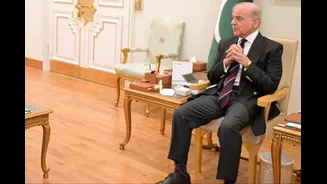
top political sources in the Pakistan Prime Minister’s Office, Shehbaz Sharif is expected to visit Saudi Arabia within the next 48 hours as Islamabad seeks to play a role in reviving dialogue between Washington and Tehran.
Sources said the Prime Minister’s Office has received an invitation from the office of Saudi Arabia’s Crown Prince and Prime Minister Mohammed bin Salman (MBS).
During the visit, Prime Minister Sharif is expected to brief the Saudi leadership on the developments emerging from the Islamabad negotiations between the US and Iran, as well as the broader security situation in the Middle East.
The visit is being seen as part of Pakistan’s wider diplomatic effort to encourage both sides to return to the negotiating table and prevent further escalation in the region.
ASIM MUNIR LIKELY TO ACCOMPANY PRIME MINISTER
Top sources indicated that Field Marshal Asim Munir is likely to accompany Prime Minister Shehbaz Sharif on the Saudi Arabia visit, underlining the strategic significance of the trip.
The discussions are expected to include not only regional security concerns but also Pakistan’s financial situation, according to sources familiar with the developments.
Sources further indicated that after Saudi Arabia, Prime Minister Sharif may also travel to Turkey as part of continued diplomatic engagements aimed at stabilising the regional situation and encouraging renewed negotiations between the United States and Iran.
ISLAMABAD TALKS END WITHOUT AGREEMENT
Ceasefire talks between the United States and Iran concluded early Sunday without an agreement, raising uncertainty over what may happen once the current two-week truce expires on April 22.
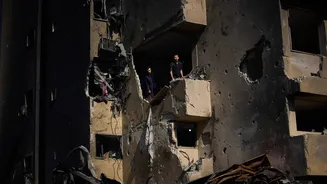
The discussions took place after a 40-day war that caused significant damage in Iran and had broader implications across the Middle East, also affecting global economic stability.
As negotiations concluded, both sides blamed each other for failing to reach a consensus, and there has been no confirmation on whether talks will resume immediately.
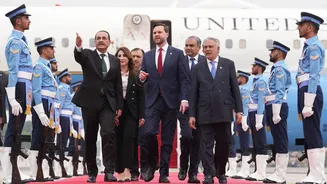
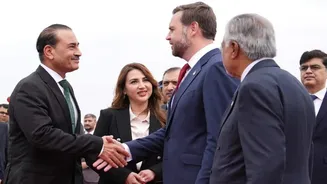
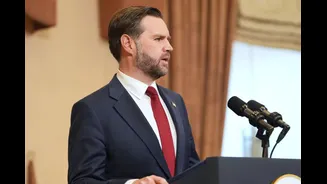
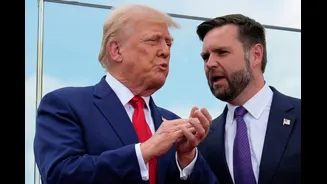
US Vice President JD Vance, who led the American delegation, said Washington is seeking clear assurances from Tehran regarding its nuclear ambitions.
“We need to see an affirmative commitment that they will not seek a nuclear weapon and they will not seek the tools that would enable them to quickly achieve a nuclear weapon,” Vance said.
Iran has consistently maintained that its nuclear programme is for civilian purposes and has denied pursuing nuclear weapons capability.
STRAIT OF HORMUZ AMONG KEY DISPUTES
One of the central issues in the negotiations remains control of the Strait of Hormuz, a strategically critical waterway through which around one-fifth of global oil supply passes.
The US proposal is believed to include provisions for reopening the strait, while Iran has emphasised its position regarding control over the route.
Iran’s First Vice President Mohammad Reza Aref said control of the strait forms part of the “rights of the people.”
Iranian Parliament Speaker Mohammad Bagher Qalibaf said the United States must decide “whether it can gain our trust or not.”
The US has presented a 15-point proposal that reportedly includes conditions related to Iran’s nuclear and missile programmes as well as its support for regional groups.
Iran has put forward a 10-point counterproposal, including compensation for damages caused during the conflict and an end to attacks on its allied groups, including Hezbollah.