






The Karnataka government’s decision to provide flats to families displaced during the recent eviction drive at Kogilu Layout in north Bengaluru has triggered a wider debate on alleged discrimination in rehabilitation
policies. Critics have questioned why relief is being extended to residents evicted from Kogilu Layout, while thousands of people displaced in similar demolition drives across the city in recent years continue to receive no compensation or alternative housing.
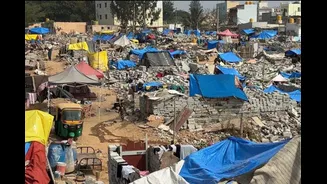
The controversy began after unauthorised houses and sheds at Kogilu Layout near Yelahanka were vacated on 20 December 2025. The eviction, carried out by the Greater Bengaluru Authority (GBA) and the Bruhat Bengaluru Mahanagara Palike (BBMP), targeted encroachments on government grazing land in Survey No. 99, earmarked for Bengaluru Solid Waste Management Ltd (BSWML). Officials stated that the land was unfit and unsafe for human habitation and intended for waste processing facilities.
Following the eviction of an estimated 167 to 200 houses and sheds in Fakir Colony and Wasim Layout, many families were left homeless, sparking protests and political reactions that extended beyond Karnataka. The issue drew attention at the national level and was also discussed internationally. The Human Rights Commission is currently examining the matter.
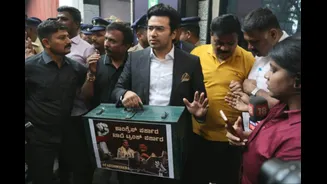
Chief Minister Siddaramaiah later convened a meeting and announced that alternative accommodation would be provided on humanitarian grounds. Under this decision, eligible families who do not own land or a house will be allotted flats under the Rajiv Gandhi Housing Scheme at Baiyappanahalli, around 7 km from Kogilu Layout. Each flat is valued at approximately Rs 11.2 lakh. Officials said a list of eligible beneficiaries would be prepared based on Aadhaar cards, voter IDs and other documents, with distribution scheduled to begin from January 1.
What Is Bengaluru Evictions Case Controversy About?
The controversy centres on the government’s announcement to allot flats worth approximately Rs 11.2 lakh each to families displaced from Kogilu Layout, while victims of earlier demolition drives elsewhere in Bengaluru allegedly received no alternative housing or compensation. Opponents claim that several eviction operations carried out by agencies such as the BBMP, BDA and district administration resulted in large-scale displacement without rehabilitation, raising questions of unequal treatment.
The decision has also led to political allegations and public debate over whether relief is being selectively offered, even as authorities maintain that the Kogilu Layout land was unsafe for habitation and that assistance is being provided strictly on humanitarian grounds.
Allegations of Unequal Treatment
The announcement has led to allegations of selective relief. Critics argue that while residents of Kogilu Layout are being offered flats, similar rehabilitation has not been provided to people displaced during earlier eviction drives across Bengaluru. Several demolition operations conducted by agencies including the BBMP, Bengaluru Development Authority (BDA) and district administration have left poor and homeless families without alternative arrangements.
Previous Eviction Drives Across Bengaluru
In January 2025, the BDA demolished 309 unauthorised houses in Karanth Layout. On 20 January BBMP evicted more than 45 illegally constructed structures and sheds. On 5 April 2025, around 12 acres of government land were cleared in Bengaluru Urban district, followed by the removal of encroachments on about 10 acres of land on 3 May under the leadership of the deputy commissioner.
Additional demolitions include 13 houses cleared by June, 10 houses near Rayasandra in Anekal in August, and encroachments removed along Raja Canal in Bommasandra in September. On 20 December 187 houses near Kogilu were demolished under the supervision of the deputy commissioner. Authorities also reported seizures of government land worth Rs 2.5 crore near Kodigehalli in K.R. Puram, Rs 5 crore near Valepura in Varthur hobli, Rs 35,000 near Ramanayakanahalli in Anekal hobli, and Rs 5.1 crore at Bommashettihalli in Dasanapura hobli. Evictions were also carried out in Rajarajeshwari Nagar–HMT ward and Parappana Agrahara in Bengaluru South Taluk.
In many of these cases, displaced families reportedly received no compensation, housing or land allocation, a point now central to the ongoing public debate.
Issue Under Wider Scrutiny
Opposition leaders and civil society groups have questioned the consistency of the government’s rehabilitation policy, alleging unequal treatment of eviction victims. The Kogilu Layout case has since taken on political overtones, with allegations of appeasement and discrimination being debated publicly.
The government has maintained that the decision to provide flats was taken on humanitarian grounds, citing safety concerns and eligibility criteria. The matter continues to remain under scrutiny as discussions over fair rehabilitation and uniform policy for eviction victims intensify.