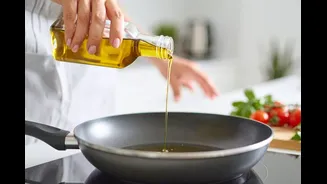



Ever stopped to think about the spoon of oil you pour into your pan every day? That familiar drizzle into the kadhai, so routine it barely registers, may be one of the most overlooked elements of our daily
diet. For decades, cooking oil has quietly played a supporting role in our kitchens. Chosen out of habit and poured without a second thought, it was rarely questioned. That’s beginning to change.
As consumers grow more mindful about what goes into their food, cooking oil is no longer viewed as merely functional. It’s being examined, discussed, and increasingly understood. Because what’s inside your cooking oil isn’t defined only by the seed it comes from, it’s also shaped by what happens to it after extraction.
Dr Shilpa Vora, Chief R&D Officer, Marico Limited and Foods Expert, Saffola, believes this shift in consumer attention comes at a critical moment. Lifestyle-related health concerns are steadily rising. Today, nearly one in four Indians has high cholesterol, one in ten is living with diabetes, and a significant portion of the population shows some form of lipid imbalance, often without visible symptoms.
Cooking oil has always been a quiet constant in Indian kitchens, but its role in everyday nutrition is far more significant than most people tend to acknowledge. What’s changing today is not the ingredient itself, but the attention it’s receiving. Consumers are beginning to look beyond just the source of the oil and are becoming more curious about how it is processed and what that means for long-term consumption.
This growing awareness, Dr Vora explains, is encouraging more mindful and informed choices in something as fundamental as daily cooking.
It’s Not Just the Oil, It’s How We Use It
Cooking oil is often treated as a one-time decision, picked once and rarely reconsidered. In reality, it is embedded in daily habits that quietly influence how we cook and eat. How much oil we use, how often we reheat it, and our reliance on the same oil for every dish are patterns many of us follow subconsciously.
Indian dietary data suggests that complete dependence on a single vegetable oil may not provide the balanced fatty acid intake recommended for optimal health or for the prevention of diet-related non-communicable diseases. Different cooking methods, such as high-heat frying, slow cooking, and light sautéing, place different demands on oil. Yet, most households rarely adjust their choices or usage accordingly.
Dr Vora believes this is where the conversation needs to shift. It is not only about which oil you choose, but also how you use it, day after day.
What We Often Don’t Notice
Many changes that cooking oil undergoes are invisible. Prolonged exposure to high heat, repeated reheating, and long storage periods can gradually alter how oil behaves. In many households, oil reuse is common, which can lead to the formation of compounds that may not be ideal when consumed consistently over time.
At the same time, oils differ in their characteristics depending on how they are produced and handled. Some are developed for greater stability and versatility, particularly for high-temperature cooking, while others may retain more of their natural attributes. Understanding these differences helps explain why oil choice is not one-size-fits-all.
The Convenience Trade-Off We Never Questioned
Modern cooking oils have evolved to make everyday cooking easier and understandably so. They offer consistency, tolerate high heat, and fit seamlessly across cuisines without overpowering flavours. Over time, convenience became the default. And when something becomes routine, we tend to stop questioning it. That, too, is changing.
Today’s consumers are beginning to balance convenience with awareness, assessing how their everyday choices align with their broader approach to food and wellbeing. According to Dr Vora, the focus is gradually shifting from pure practicality to thoughtful consideration.
A Return to What We Always Knew
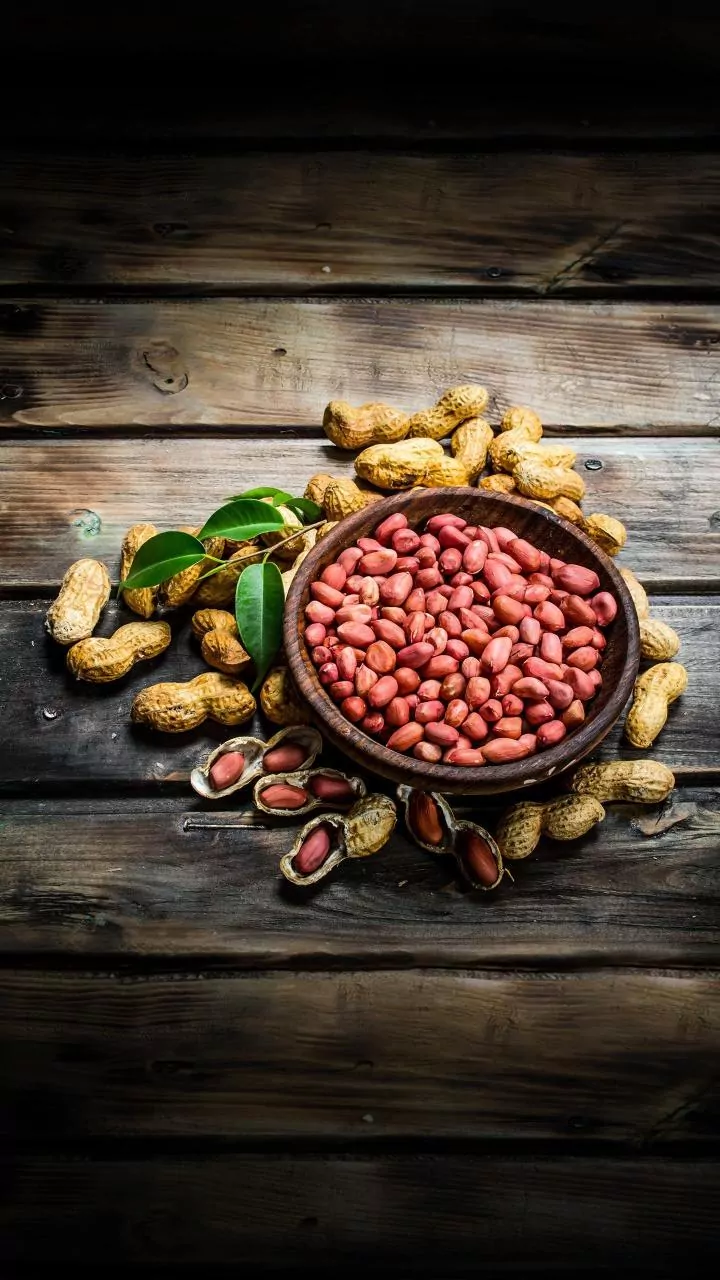
In many ways, this shift feels more like a return than a reinvention. Traditionally, cooking oil choices across India were regional and intentional. Mustard oil in the North, coconut oil in the South, and groundnut oil in the West were not merely preferences, but decisions shaped by climate, cuisine, and lifestyle.
What we are witnessing now is a rediscovery of that mindset, reinforced by deeper scientific and nutritional understanding. There is also growing interest in using a combination of oils or blended oils, which can help provide a more balanced fatty acid profile and support lipid health over time.
The Bigger Shift: From Habit to Awareness
Cooking oil itself has not fundamentally changed. What has changed is the way people look at it. What was once automatic is now being questioned. What was once overlooked is now being understood.
As Dr Vora points out, the real transformation lies in the shift from habit to awareness from choosing what is familiar to selecting what truly makes sense. From not thinking twice to pausing, even briefly, to ask: Is this actually right for me? Because sometimes, the most basic ingredients deserve the most attention.