




It is very common to experience gas, bloating, or discomfort after eating a meal, and often, a few simple lifestyle changes can make a significant difference. Gas formation usually occurs when food is poorly
digested or when we unknowingly develop habits that hinder the digestive process. Being more mindful of what and how we eat can keep our gut healthier and help us feel lighter after meals.
Dr Rohan Badave, Consultant, Medical Gastroenterology, Manipal Hospital Goa, shares some easy, practical tips to avoid gas and enjoy smoother digestion.
1. Eat slowly and chew your food properly
One of the most overlooked causes of post-meal gas is eating too quickly. When you rush through a meal, large pieces of food reach your stomach. The stomach then has to work harder to break these pieces down into smaller particles, about 5–6 mm or less in diameter before passing them into the small intestine. This delays gastric emptying and often leads to gas and heaviness.
Proper chewing serves two purposes: it allows better mechanical digestion and mixes food with saliva, which contains enzymes that begin breaking it down. Eating slowly also prevents swallowing excess air while rushing.
2. Limit high-fat foods, as they slow digestion
Fried, oily foods or those rich in butter, cheese, and cream are harder to digest. Since fat takes longer to digest than carbohydrates and proteins, a heavy, greasy meal tends to stay in the stomach for a longer time. This often leads to a feeling of tightness, bloating, or gas.
Opting for lighter cooking methods such as steaming, grilling, or sautéing can make food easier for the digestive system to process.
3. Eat smaller portions more frequently
Large meals place sudden stress on the digestive system. Instead of consuming two heavy meals a day, divide your intake into smaller, more frequent portions. This helps prevent overeating, supports metabolism, and reduces the chances of gas buildup.
Smaller meals are easier for the stomach to handle and also lower the risk of acid reflux and bloating.
4. Limit foods that commonly produce gas
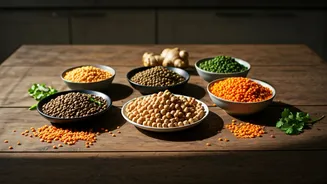
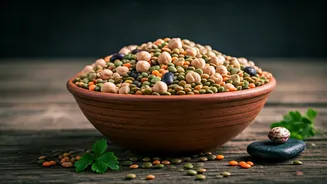
Certain foods naturally produce more gas due to their fibre content and the way they ferment in the digestive tract. Beans, cabbage, broccoli, and cauliflower are healthy but are known to cause gas in many people. Carbonated beverages can also introduce excess air into the system.
If you notice discomfort after consuming these foods, try reducing the quantity or pairing them with digestion-friendly ingredients such as ginger or cumin.
5. Include natural probiotics in your diet
Good bacteria play an essential role in maintaining digestive health. Natural probiotics found in curd, yogurt, and buttermilk help maintain balance in the gut, promote smoother digestion, reduce bloating, and support regular bowel movements.
Including a small portion of probiotics daily can offer long-term digestive benefits.
6. Avoid lying down immediately after meals
Lying down immediately after eating slows the digestive process and can increase the chances of bloating or acidity. Try to maintain at least a two-hour gap between dinner and sleep, especially at night.
A short walk for 10–15 minutes after meals can stimulate digestion and help the stomach empty more efficiently, reducing the likelihood of gas formation.
Good digestion is largely about maintaining a healthy routine. Simple daily habits such as chewing food properly, choosing lighter meals, eating smaller portions, and avoiding lying down after eating can significantly reduce gas and discomfort.
Occasional bloating may be normal, but adopting these everyday practices can help you feel more comfortable after meals and improve overall digestive health. By listening to your body and making conscious choices, you can enjoy your meals without worrying about post-meal discomfort.