






There are many countries on Earth where large rivers flow like streams of life. But there are also some areas where every drop of water is extremely precious. In such places, people’s lives, agriculture,
and development depend entirely on alternative water sources. Living amidst desert climate, low rainfall, and harsh natural conditions, these areas have resorted to modern technologies to deal with the water problem. Among these countries is one that is known as the “country without rivers.”
The country we’re talking about is Saudi Arabia. This country is known globally for having no permanent rivers or natural lakes. Saudi Arabia’s climate is extremely dry and hot, making the formation of rivers impossible. To meet its water needs, Saudi Arabia relies primarily on desalination and underground water sources. Modern technology helps deliver water to cities, industries, and people.
Why is it called ‘a country without rivers’?
There are several reasons why Saudi Arabia is called a “country without rivers.” The most significant reason is its desert and arid climate. Rainfall is very low throughout the year, preventing rivers from accumulating sufficient water to flow. Furthermore, the soil and sand absorb water quickly, preventing surface water from remaining for long.
Desertification and lack of rain
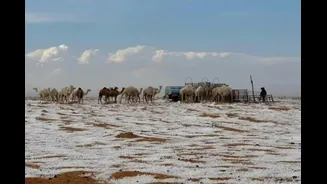
Saudi Arabia is surrounded by vast deserts, including one of the largest in the world. Temperatures are often extremely high and rainfall is infrequent. For these reasons, permanent water sources have not been able to develop here. Although wadis (dry river-like channels) may fill with water for a short time after occasional rainfall, these are not permanent rivers.
How is the need for water met?
Despite having no rivers, Saudi Arabia has been largely successful in addressing its water needs. Large-scale desalination plants have been installed to treat seawater as potable. Furthermore, underground aquifers are used for agriculture and daily needs. These sources are considered the backbone of life here.