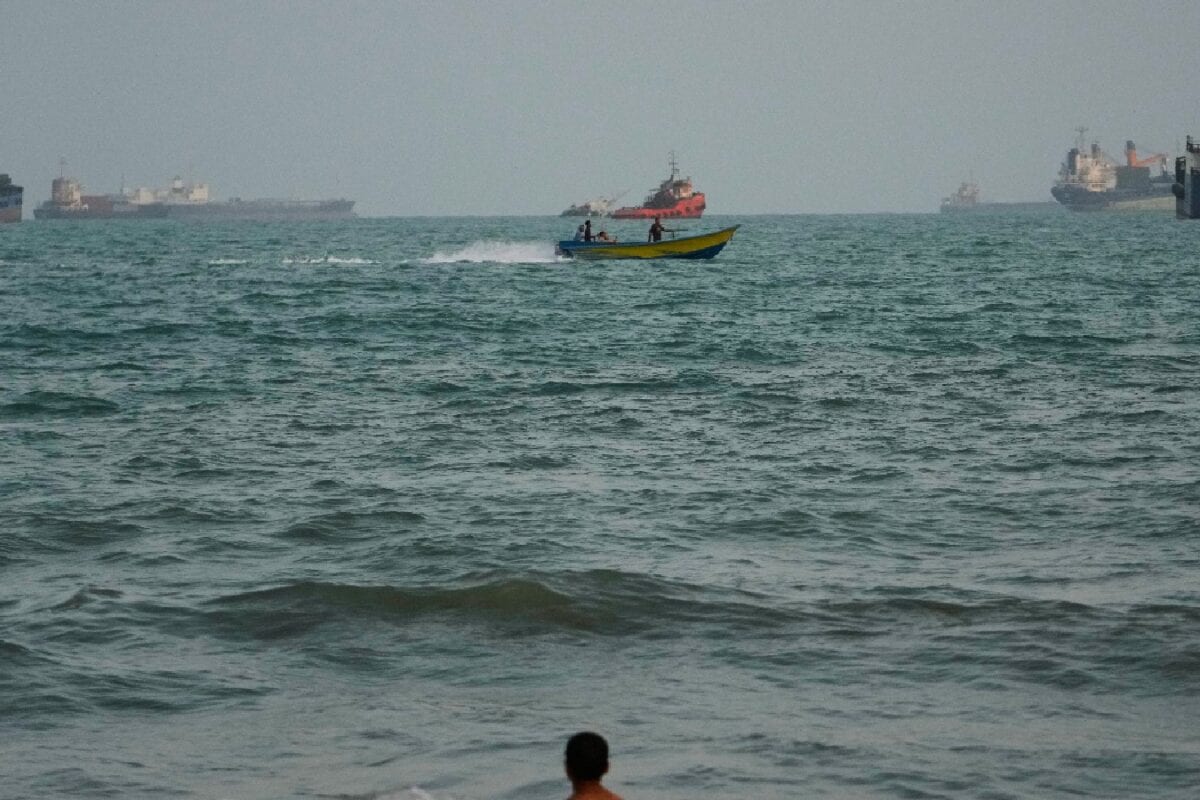









Iran exempted merchant vessels from India, China, Iraq and Qatar from restrictions on passage through the strategically important Strait of Hormuz, with the measure aimed partly at facilitating medicine
supplies from India, an Iranian lawmaker said.
Amir Hayat-Moghaddam, deputy chairman of the Iranian parliament’s national security and foreign policy committee, said ships from the four countries were allowed to pass through the waterway without being subjected to the restrictions imposed on other merchant vessels.
“We have currently exempted India, China, Iraq and Qatar from transit restrictions in the Strait of Hormuz. Ships from these countries pass freely, and the Americans do not intercept them either,” Hayat-Moghaddam said in an interview with the Iranian Students’ News Agency (ISNA).
He indicated that the exemptions were intended to serve Iran’s diplomatic and economic interests. The passage arrangement for Indian vessels, he said, was intended to facilitate the import of medicines from India, while the exemption for Chinese ships was aimed at securing Beijing’s political support.
Iran Charges Transit Fees From Indian, Chinese Ships
Hayat-Moghaddam also said Iran collects transit fees from Indian and Chinese vessels passing through the Strait of Hormuz. Qatari ships, on the other hand, are allowed to pass without charges.
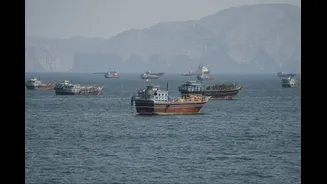
His remarks come amid continuing restrictions on merchant shipping through the Strait of Hormuz, a key global energy transit route that connects the Persian Gulf with the Gulf of Oman and the Arabian Sea. The European Union said that Iran’s Islamic Revolutionary Guard Corps (IRGC) Navy has introduced a system under which ships must provide identification details and information about their cargo and destination to secure passage through the waterway.
Why Is Strait Of Hormuz Important For India?
The Strait of Hormuz is critical to India’s energy security. India imports nearly 90 per cent of its crude oil requirements, with around 30 per cent of those imports currently passing through the waterway.
The dependence was significantly higher in the past, when nearly 70 per cent of India’s crude oil imports came through the strait. New Delhi has since diversified its sources of supply, increasing purchases from countries and regions including Russia, the United States, West Africa and Fujairah in the United Arab Emirates.
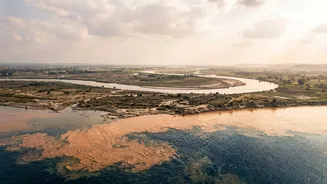
The Strait of Hormuz, which lies between Iran and Oman, accounts for nearly a quarter of global seaborne oil supplies originating in West Asian countries. Disruptions to shipping through the route have therefore raised concerns over energy supplies and global trade.
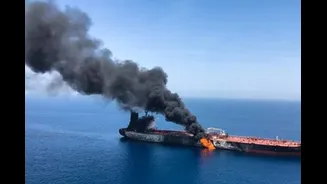
The restrictions come against the backdrop of the West Asia conflict, which began in February. According to the International Maritime Organization (IMO), at least 70 attacks on merchant ships were reported between the start of the conflict and August, resulting in the deaths of 19 seafarers. Fifteen seafarers are among the 24 Indians killed so far in the conflict.