







North India is currently facing severe cold, with temperatures dropping sharply across many regions. Winter places extra strain on the body due to physiological and biological changes, and the heart is particularly
affected.
Doctors report a rise in heart attacks and strokes during colder months. Falling temperatures, cold winds, humidity, and changes in air pressure can all increase stress on the heart, making it crucial to take preventive measures.
Does Cold Weather Affect The Heart?
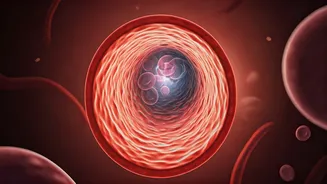
According to Dr Naresh Trehan, Chairman of Medanta Hospital, cold weather causes blood vessels to constrict to preserve body heat. This raises blood pressure and reduces blood flow, meaning the heart receives less oxygen. People with high blood pressure, high cholesterol, or coronary artery disease face a higher risk.
Sudden exposure to cold, such as early morning walks or stepping out abruptly, can trigger heart attacks. Extreme cold may also lead to hypothermia, which weakens heart muscles.
Mental Health And Heart Risk In Winter
Winter can impact mental well-being due to reduced sunlight. Many people experience Seasonal Affective Disorder (SAD), marked by low mood, irritability, and stress.
Moreover, elevated stress hormones like cortisol and adrenaline increase heart rate and blood pressure, raising the risk of heart attacks and strokes.
Lifestyle Choices That Impact Hearth Health In Winter
Urban lifestyles further add to heart risks during winter. Prolonged sitting, reduced physical activity, unhealthy diets high in salt and fat, poor sleep, and rising air pollution levels can all contribute to heart-related problems.
Many people consume alcohol to feel warm in winter, but this can be dangerous. Excessive drinking disrupts the body’s temperature balance and increases heart attack risk.
Smoking should also be avoided, as it damages blood vessels and significantly raises the chances of heart failure.
5 Tips To Improve Heart Health In Winter
- Keep Yourself Warm: Cold temperatures narrow blood vessels and raise blood pressure. Wear warm clothing when stepping outside, and ensure your head, hands, and feet are well covered, as they lose heat quickly.
- Stay Indoors: Try to stay indoors during extreme cold and avoid unnecessary exposure.
- Exercise Daily: Physical activity often drops in winter, increasing the risk of obesity, diabetes, and high blood pressure. Instead of early morning outdoor walks, opt for indoor exercises such as yoga, stretching, breathing exercises, or light workouts as regular movement improves blood circulation and strengthens the heart.
- Manage Stress Effectively: Mental stress has a direct impact on heart health. Work pressure, lack of rest, and constant worry can elevate heart attack risk. Take regular breaks, prioritise adequate sleep, and engage in activities you enjoy. Yoga and meditation can help calm the mind and reduce stress hormones.
- Get Regular Health Checkups: Heart disease can progress silently without clear symptoms. Regular health checkups are essential, especially for those aged between 30 and 60. Annual checks of blood pressure, blood sugar, cholesterol, and heart health can help detect problems early and prevent serious complications.