





India may soon take a major step toward controlling one of its most persistent mosquito-borne diseases. The country’s first home-grown dengue vaccine, DengiAll, is advancing through a large-scale phase
3 clinical trial, with results potentially unblinded by the end of 2027.
According to Dr Rajiv Bahl, Director General of the Indian Council of Medical Research (ICMR), India could have its first indigenous dengue vaccine by the end of 2027. The update comes as the Phase 3 clinical trial of DengiAll, an indigenous tetravalent dengue vaccine developed by Panacea Biotec in collaboration with ICMR, continues across the country.
The vaccine is being evaluated in a large randomised controlled trial involving more than 13,000 healthy participants across 20 academic and research centres. Researchers have completed nearly 12 months of follow-up, with participants being monitored for adverse events, immune responses and laboratory-confirmed dengue infections.
What Is DengiAll?
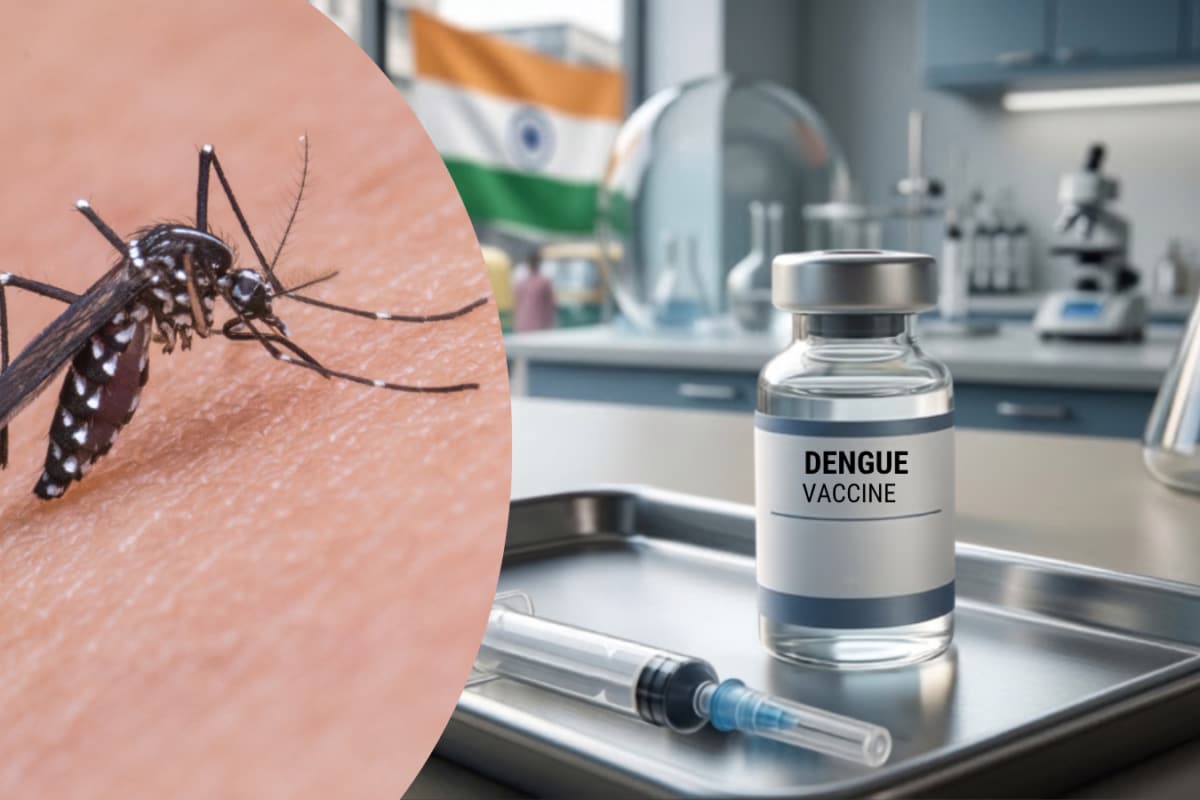
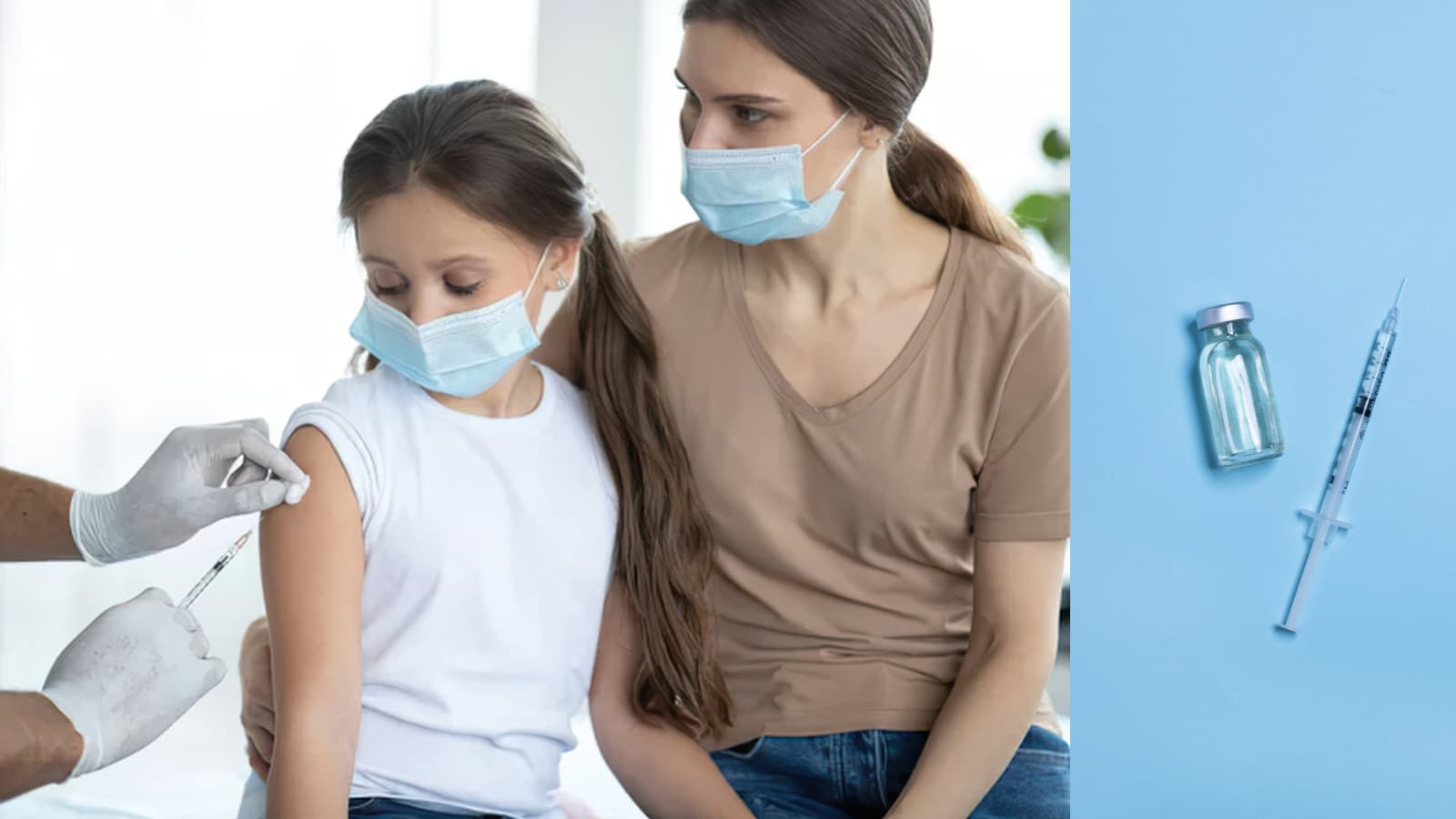
DengiAll is designed as a tetravalent vaccine, meaning it aims to provide protection against all four dengue serotypes. According to the clinical update, Panacea Biotec has developed it as a live-attenuated vaccine intended to stimulate neutralising antibodies against the four strains.
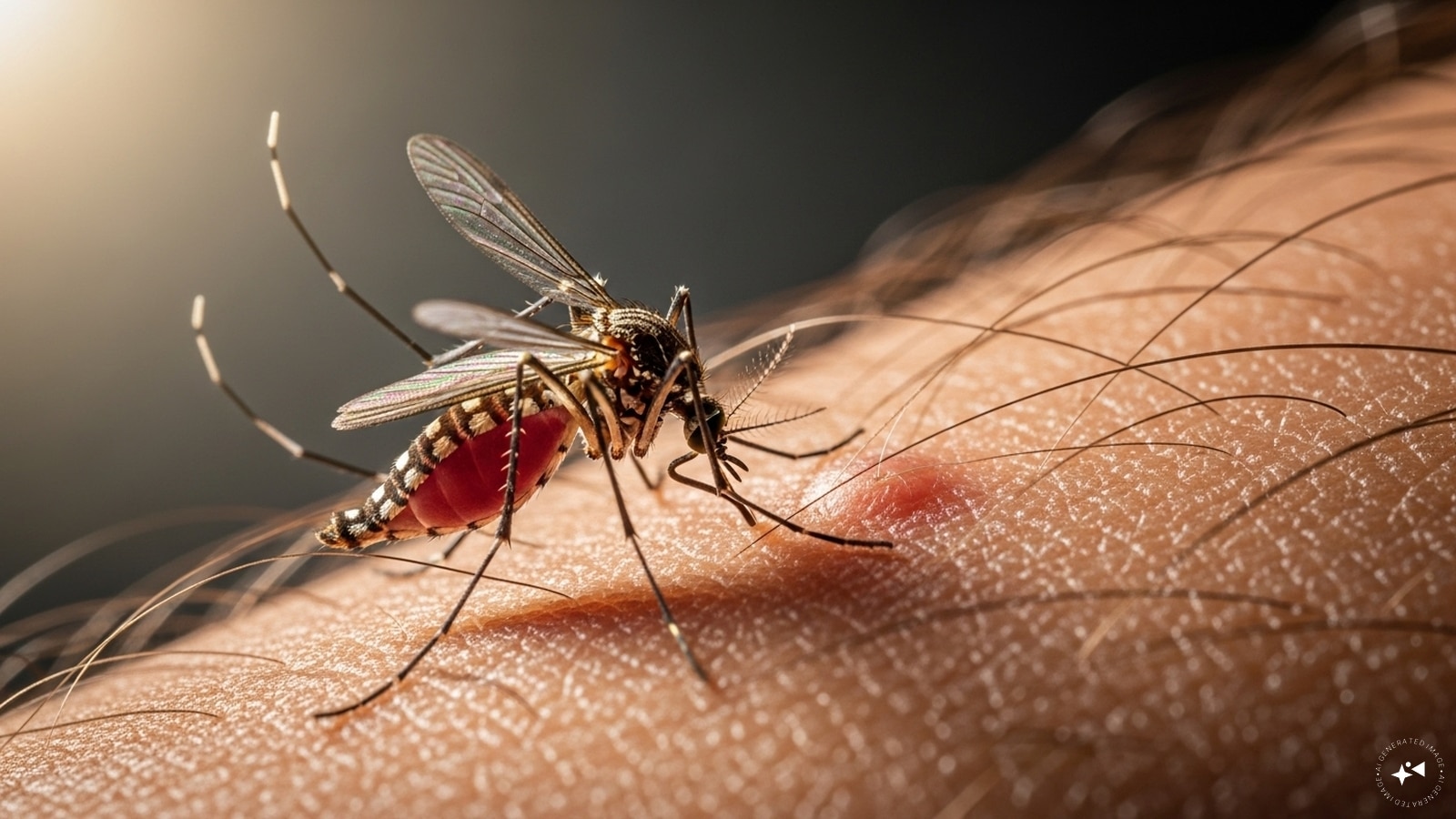
DengiAll is being developed as India’s first indigenous single-dose tetravalent dengue vaccine. It aims to protect against DENV-1, DENV-2, DENV-3 and DENV-4 — the four major serotypes that cause dengue. Dengue is transmitted primarily by Aedes mosquitoes and can trigger high fever, severe headache, muscle and joint pain, nausea and rash.
The candidate is also being evaluated as a single-dose vaccine. If approved for use, a single-dose schedule could simplify vaccination logistics and improve adherence compared with vaccines requiring multiple doses. However, its safety, efficacy and appropriate use will depend on the final clinical-trial and regulatory assessment.
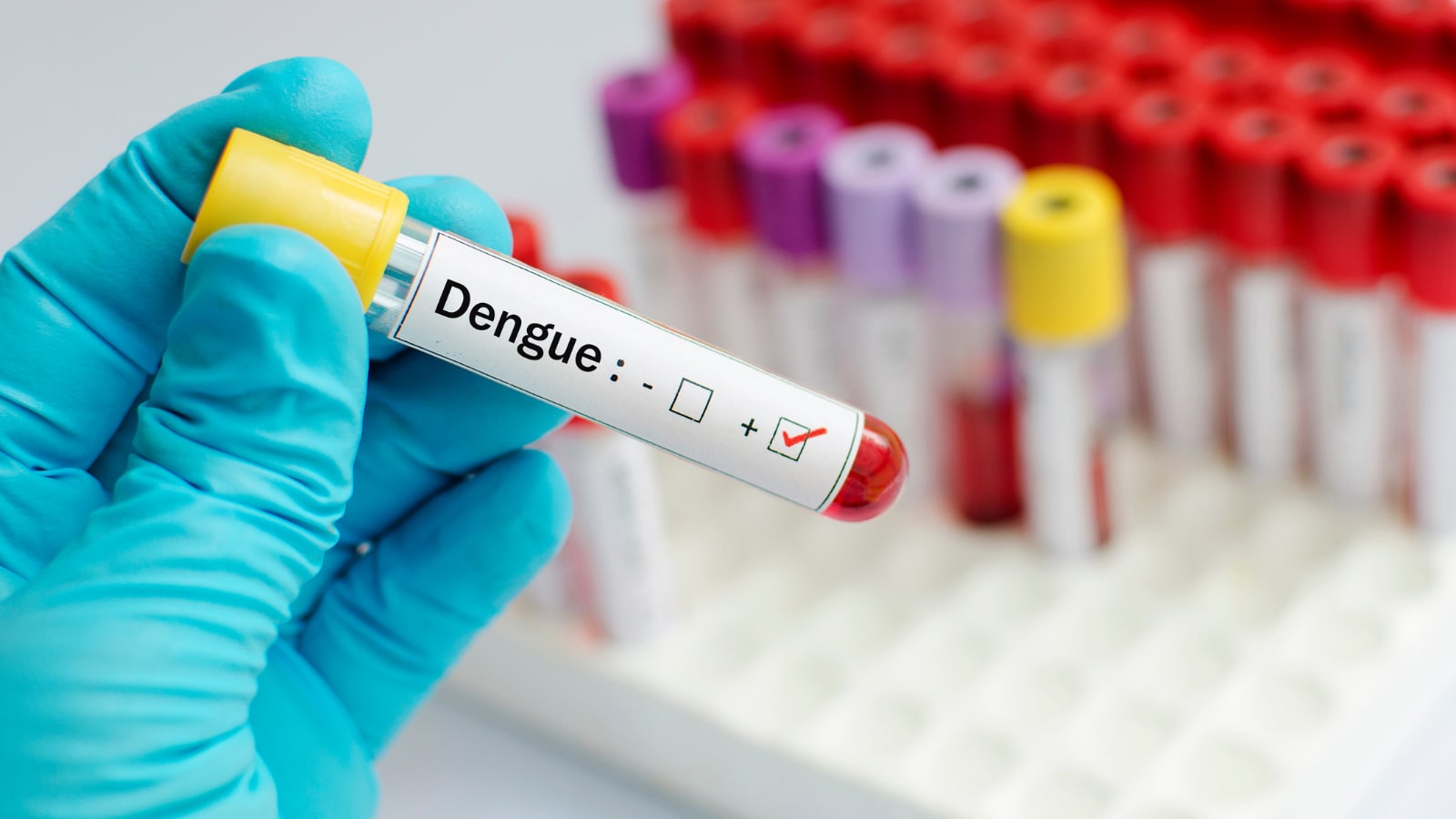
In some cases it progresses to severe dengue, which can involve bleeding, shock and life-threatening complications. Currently there is no specific antiviral treatment that routinely cures the infection, making prevention through mosquito control and, eventually, vaccination especially important.
Why Is India Developing Its Own Dengue Vaccine?
Dengue remains a major public health concern in tropical and subtropical regions, including India, where seasonal outbreaks can place significant pressure on hospitals. A locally developed vaccine could offer an additional tool for preventing dengue alongside mosquito-control measures and other public health interventions.
The development of an indigenous vaccine is particularly significant because dengue is caused by four distinct virus serotypes, DENV-1 to DENV-4. Infection with one serotype does not provide complete protection against the others.
When Could The Vaccine Become Available to The Public?
The end of 2027 is a potential timeline rather than a guaranteed launch date. Availability will depend on the trial results demonstrating an acceptable safety profile and sufficient protection, followed by regulatory review and necessary approvals. If all goes well, DengiAll could become an important addition to India’s dengue prevention toolkit.
What Happens Before The Vaccine Can Be Used In India?
Completion of Phase 3 trials would not automatically mean the vaccine becomes available immediately. The final safety and efficacy findings would need to undergo regulatory evaluation before approval and wider use.
If the trial progresses as planned and regulatory requirements are met, India could potentially have its first indigenous dengue vaccine by the end of 2027. Until then, mosquito-bite prevention, elimination of stagnant water and timely medical evaluation of suspected dengue symptoms remain important measures for reducing the disease burden.