







The United States has imposed a fresh round of sanctions on Iran, targeting nearly 60 entities, individuals and vessels across several countries. The measures, described as “Operation Economic Outcast”,
include four India-based firms and three Indian nationals accused of facilitating Iranian oil and petrochemical trade.
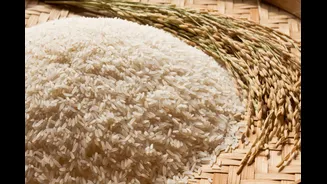
Despite the tougher US action, India, the world’s biggest rice exporter, remains confident that its rice trade with Iran can continue. Shipments have held up despite higher prices and months of disruption caused by the war, according to a Bloomberg report.
Rice Trade Remains Strong
Rice accounts for nearly two-thirds of India’s $1.25 billion exports to Iran in the financial year that ended in March, government data showed.
Iran also bought around 7 per cent of India’s total global rice exports, which were worth $11.5 billion during the period, the Bloomberg report said.
Demand from Iran has remained steady despite higher prices and disruption to trade.
Ajay Bhalothia, general secretary of the All India Rice Exporters Association, said Iran has continued buying rice for “food security reasons”, according to Bloomberg.
Bhalothia expressed confidence that the trade would continue uninterrupted despite the latest US sanctions announced by President Donald Trump’s administration.
The US has also threatened economic punishment against countries doing business with Iran.
Why Rice Could Be Exempt
Exporters believe the essential nature of rice could help protect the trade from disruption.
Rice falls under the humanitarian exception, while the limited number of alternative suppliers could also help sustain Indian shipments to Iran.
Rice is a staple in Iran, featuring in dishes such as chelow, the fluffy steamed rice served with kebabs and stews, and tahdig, the prized crispy crust that forms at the bottom of the pot.
Iran bought more than 1 million tonnes of rice in the last financial year, a 17 per cent increase from the previous year, government data showed.
The increase reflects how Indian exporters have continued to keep shipments and payments moving in recent months, giving both sides an incentive to preserve the trade.
How Indian Traders Are Settling Payments With Iran?
Bhalothia said Indian traders have found ways to settle payments for their Iran trade without directly using Iranian banks.
Payments have been routed through financial channels in the UAE, Germany and China, and more recently Turkey.
According to Bhalothia, these channels have continued to operate without disruption so far.
The payment arrangements have helped Indian exporters maintain the flow of rice shipments despite the wider disruption caused by the war and the threat of tougher sanctions.
Pharma, Tea And Other Exports
Rice is not the only Indian commodity being exported to Iran. Other major shipments include pharmaceuticals, tea, bananas, cereals, bovine meat and some chemicals.
Exporters believe these shipments are also unlikely to be disrupted, citing the humanitarian exception and the limited availability of alternative suppliers.
S.C. Ralhan, president of the Federation of Indian Export Organisations, said Indian exports to Iran should not be affected, according to Bloomberg.
“Indian exports to Iran shouldn’t get impacted,” Ralhan said. However, he added that the government should immediately intervene on humanitarian grounds and make some arrangement to support exporters.
India’s Oil Trade With Iran
India’s trade relationship with Iran has changed sharply in the oil sector. India has not imported crude from Iran since 2019, except for a small window that opened this year because of US waivers.
Before US sanctions were imposed on Iran, India had longstanding ties with Tehran, which was among its biggest oil suppliers.
While the latest US sanctions target Iranian oil and petrochemical trade, Indian exporters remain confident that essential goods such as rice can continue moving to Iran under humanitarian exceptions.