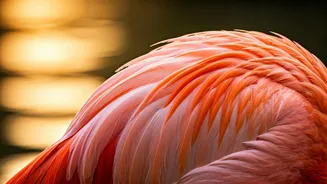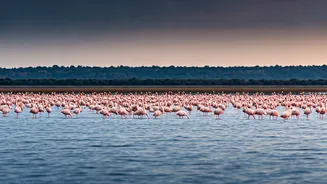









Flamingos are instantly recognised because of their bright pink feathers. But did you know that these elegant long-necked birds are not born with their flaming colours. When flamingos are born, they are actually
covered in soft grey or white feathers, and it can take quite some time before their famous colour begins to show. The reason for this change surprisingly comes down to what they eat. Flamingos feed on algae, plankton, and small crustaceans, all of which contain natural pigments called carotenoids. These are the same compounds that give foods like carrots, tomatoes, and pumpkins their rich orange and red colours. When flamingos consume these foods, their bodies break down the pigments and gradually deposit them into their feathers, skin, and even their beaks. Over time, this is what turns them pink. It’s not an instant transformation. Young flamingos can remain pale or grey for quite a while, and their colour slowly deepens as they continue to feed on carotenoid-rich food. The intensity of the pink can vary depending on how much of these colours they eat. Flamingos with a richer, more consistent diet tend to develop brighter and more vibrant shades, while others may appear lighter or more faded. Interestingly, this colour isn’t permanent either. If a flamingo’s diet lacks enough carotenoids, its feathers can lose their brightness and become noticeably paler over time. This is why flamingos in zoos are often given specially designed diets that include carotenoid supplements, to ensure they maintain their distinctive pink appearance. So while flamingos are famous for their colour, it’s not something they’re born with. They literally embody the phrase “You are what you eat”.