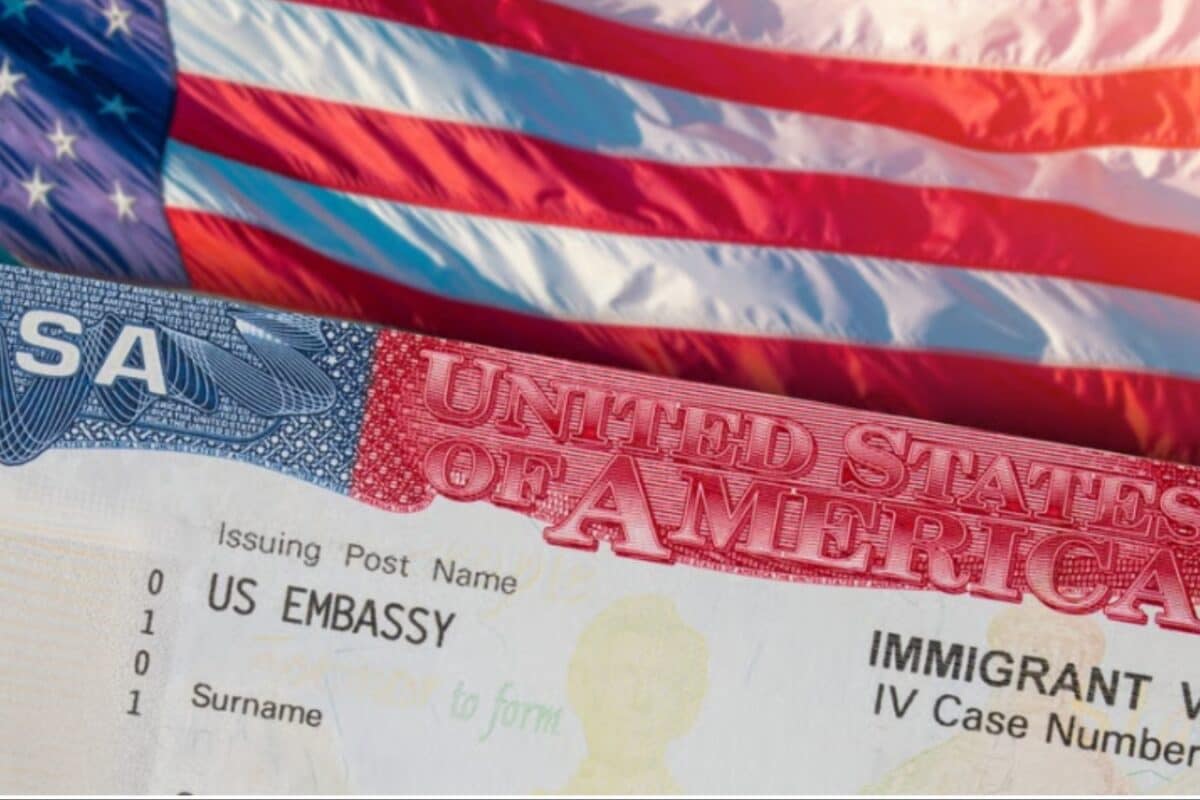








The United States is widening its social media screening for visa applicants from October 1, bringing more categories of people seeking entry to the country under online presence reviews.
The latest expansion
will affect foreign media representatives as well as some professionals and their dependants. For those covered, social media privacy settings will now become part of the visa vetting process.
The move is the latest in a series of expansions of online screening across US visa categories over the past year. So, who will be affected from October 1, and what exactly will applicants have to do?
Which Visa Applicants Will Face The New Rule?
The expanded screening will cover three nonimmigrant visa categories — I, TN and TD.
The I visa is for representatives of foreign media, including journalists and employees of foreign news organisations.
The TN visa allows eligible Canadian and Mexican professionals to enter the US temporarily for work under the United States-Mexico-Canada Agreement (USMCA).
The TD visa is for spouses and unmarried dependent children of TN visa holders.
The change is particularly relevant to Indian applicants in the media sector who may travel to the US on I visas while working for foreign news organisations.
What Will Applicants Have To Do?
Applicants in all three categories will have to set the privacy settings on all their social media profiles to “public” or “open”, according to a US State Department notice updated on September 18.
The instruction applies to all social media profiles held by an applicant. According to Business Standard, these can include accounts on Facebook, Instagram, X, LinkedIn, YouTube and TikTok, among other platforms.
Once the profiles are publicly accessible, posts, photographs, comments and other information available on them can form part of the wider online presence review. Information provided in a visa application can also be considered alongside an applicant’s publicly available online presence.
Why Is The US Checking Applicants’ Social Media?
The State Department says it uses information available to it during visa screening to identify applicants who may be inadmissible to the US, including those who could pose a national security or public safety risk.
Officials also assess whether an applicant is eligible for the visa being sought and intends to comply with the conditions of admission.
The requirement does not mean that information found on social media will by itself automatically lead to a visa being granted or refused. Online presence review is one component of the broader screening and adjudication process.
Which Other US Visas Already Face Online Screening?
The October 1 change adds I, TN and TD visas to a screening system that already covers a range of other categories.
These include H-1B workers and H-4 dependants; H-3 temporary workers; F-1 and M-1 students and their F-2 and M-2 dependants; J-1 and J-2 exchange visitors; and K, Q, R-1 and R-2 visas.
Certain diplomatic and official visa categories are also covered, along with S, T and U visas for witnesses, informants and victims.
In December 2025, online presence reviews were expanded to all H-1B applicants and their H-4 dependants, alongside students and exchange visitors already covered by the checks. The requirement was extended to additional visa classifications in March 2026.
The State Department has described visa adjudication as a national security decision and stressed that a US visa is granted at the government’s discretion rather than being an entitlement.