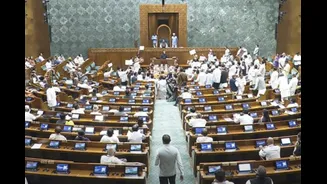

In a move designed to enhance legislative discipline and transparency, Lok Sabha Speaker Om Birla has announced that Members of Parliament will henceforth be required to record their attendance only from
their designated seats inside the House. This major procedural shift, set to take effect from the upcoming Budget session beginning on January 28, marks the end of a long-standing practice that allowed lawmakers to mark their presence from the lobbies or outside the main chamber within the Parliament premises.
Speaking to reporters on the sidelines of the 86th All India Presiding Officers’ Conference in Lucknow, Speaker Birla emphasised that the decision aims to ensure that attendance records accurately reflect an MP’s active participation in parliamentary proceedings. Under the current system, some members have been known to sign the register or use digital devices in the lobby before leaving without attending the debates. The new rule mandates that MPs must be physically present at their allotted desks to punch in, effectively linking their presence to the day’s legislative business.
The technical infrastructure for this transition is already in place. The multimedia consoles installed at every seat in the new Parliament House are equipped with biometric sensors, including thumb impression scanners and smart card readers. By requiring a thumbprint or a personal identification number (PIN) from the specific console assigned to them, the system will verify both the identity and the location of the member. Furthermore, the Speaker clarified that the attendance mechanism will only be operational when the House is in session. Members will be unable to mark their presence once the House is adjourned, even if the adjournment is caused by disruptions or protests.
This reform is part of a broader “Digital Parliament” initiative aimed at modernising the function of India’s highest legislative body. Beyond attendance, Speaker Birla highlighted the ongoing testing of Artificial Intelligence (AI) tools for real-time translation of speeches into 22 Indian languages, alongside 24-hour digital research support for legislators. By making attendance more rigorous, the administration hopes to justify the daily allowances paid to members, which are contingent on their recorded presence.