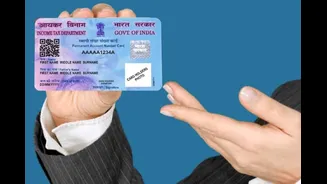









Indian citizens have a last chance until March 31, 2026 to apply for their PAN (Permanent Account Number) card only through Aadhaar card. Once the deadline is over, there will be additional documents required
from April 01, including DOB (Date of Birth Proof), while applying for it.
Citizens should know that old PAN forms will not be accepted from April 01, 2026. They will be nulled, which means you have to file a new one.
Which Documents Will Be Required for DOB From April 01?
Applicants can apply for PAN card and give DOB proof by giving the following documents: birth certificate, voter card, matriculation certificate, driving license, affidavit (magistrate), passport, and other government documents.
Moreover, from April 01, 2026, the name on card will be removed. PAN name will be as per Aadhaar only.
Thus, it’s the last opportunity for citizens to apply for PAN card with only Aadhaar card. After this brief window, they will be required to provide additional documents.
New PAN Card Rule Changes From April 01
Under the new income tax rules 2026, several new changes have been added in PAN that will impact users directly.
Cash Deposit Limit: Under the current rules, depositing more than Rs 50,000 in a single day in a bank or post office requires PAN details. The proposed amendment replaces this daily cap with an annual threshold. If cash deposits exceed Rs 10 lakh in a financial year, PAN details will be mandatory. This applies across all bank accounts held by an individual. Transactions above this limit will fall under the scrutiny of the Income Tax Department.
Purchase Or Sale Of Motor Vehicles: At present, a PAN card is required to buy or sell any motor vehicle, including two-wheelers, irrespective of value. Under the proposed rule, PAN will only be required if the vehicle’s value exceeds Rs 5 lakh. For vehicles priced below this amount, PAN details will no longer be compulsory.
Hotel And Restaurant Payments: Currently, PAN is needed for payments above Rs 50,000 at hotels or restaurants. The new proposal raises this threshold to Rs 1 lakh. PAN will only be required if payments exceed the revised limit.
Immovable Property Transactions: Under existing provisions, a PAN card is mandatory for buying or selling immovable property valued at more than Rs 10 lakh. The proposed change seeks to double this limit to Rs 20 lakh.
Insurance Policies: At present, PAN is required if an insurance premium exceeds Rs 50,000. The new rules may extend this requirement beyond high-value premiums to cover broader account-related dealings with insurance companies.
The Income Tax Department monitors high-value transactions to ensure accurate income reporting and proper tax compliance by individuals and businesses. Making PAN mandatory in specified cases helps track financial activities more effectively and curbs tax evasion.