





India’s financial capital, Mumbai, is in the midst of one of its most extensive infrastructure expansions in decades, aimed at reshaping urban mobility and supporting long-term growth. With an estimated
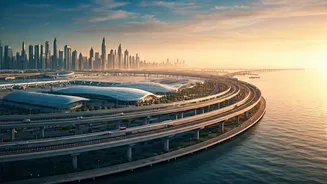
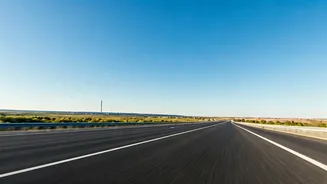
investment of Rs 60 billion, the city is witnessing rapid development across transport networks, including Metro corridors, sea bridges, and roadways.
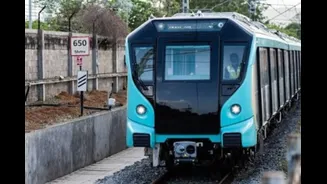
Authorities have outlined plans for 16 Metro lines, with more than 100 km of network already operational, marking a significant leap in public transport capacity.
Atal Setu Emerges As Game-Changer In Urban Connectivity
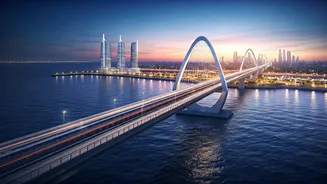
A major highlight of this transformation is the Atal Setu, India’s longest sea bridge stretching 21.8 km. The bridge now connects South Mumbai to Navi Mumbai, cutting travel time drastically from nearly an hour to around 20 minutes.
This improved connectivity has already had a ripple effect on real estate, with property prices in areas such as Ulwe and Panvel rising between 10% and 30%.
Metro Network Expands Beyond 100 Km, Reaches New Corridors
Mumbai’s Metro network has crossed the 100 km milestone, with further expansion underway. The fully underground Aqua Line 3, operational since late 2025, links Cuffe Parade directly to the international airport, significantly easing airport access.
In April 2026, Metro Line 9 was inaugurated, extending metro connectivity to Thane for the first time. Meanwhile, Phase 1 of the Coastal Road project has reduced travel time between Marine Drive and Worli from approximately 40 minutes to just 12 minutes, improving intra-city mobility.
Upcoming Projects Set To Redefine Regional Connectivity
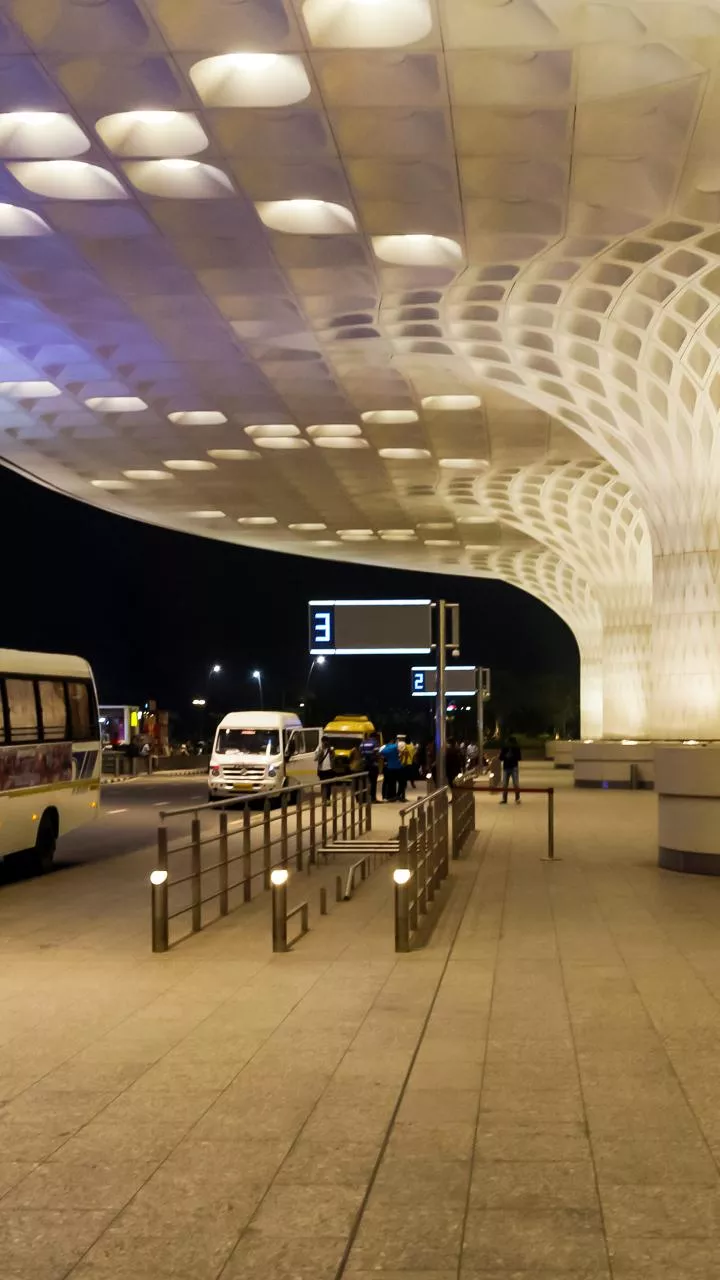
According to a report in Economic Times, several large-scale infrastructure projects are in progress, signalling continued momentum. The Navi Mumbai International Airport has already begun early operations and is designed to handle up to 90 million passengers annually, with an estimated investment of $2 billion.
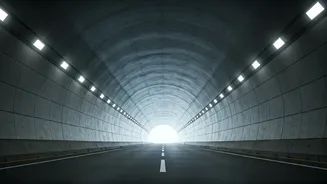
Plans are also underway for the Thane-Borivali twin tunnel, which will pass beneath the Sanjay Gandhi National Park, aiming to ease congestion across the city’s northern corridor.
Additionally, the high-speed rail project connecting Mumbai to Ahmedabad, spanning 508 km, is expected to operate at speeds of up to 320 km/h upon completion. Other key developments include the proposed Versova-Bandra sea link.
Building Boom Reshapes Civic Finances
The surge in construction and redevelopment has significantly altered Mumbai’s revenue landscape. In the 2025-26 financial year, redevelopment premiums paid by builders reached Rs 11,626 crore, making it the largest source of revenue for the Brihanmumbai Municipal Corporation (BMC), surpassing traditional property tax collections.
This shift indicates that the city’s infrastructure expansion is increasingly being funded by its own real estate growth.
Concerns Rise Over Sustainability And Civic Balance
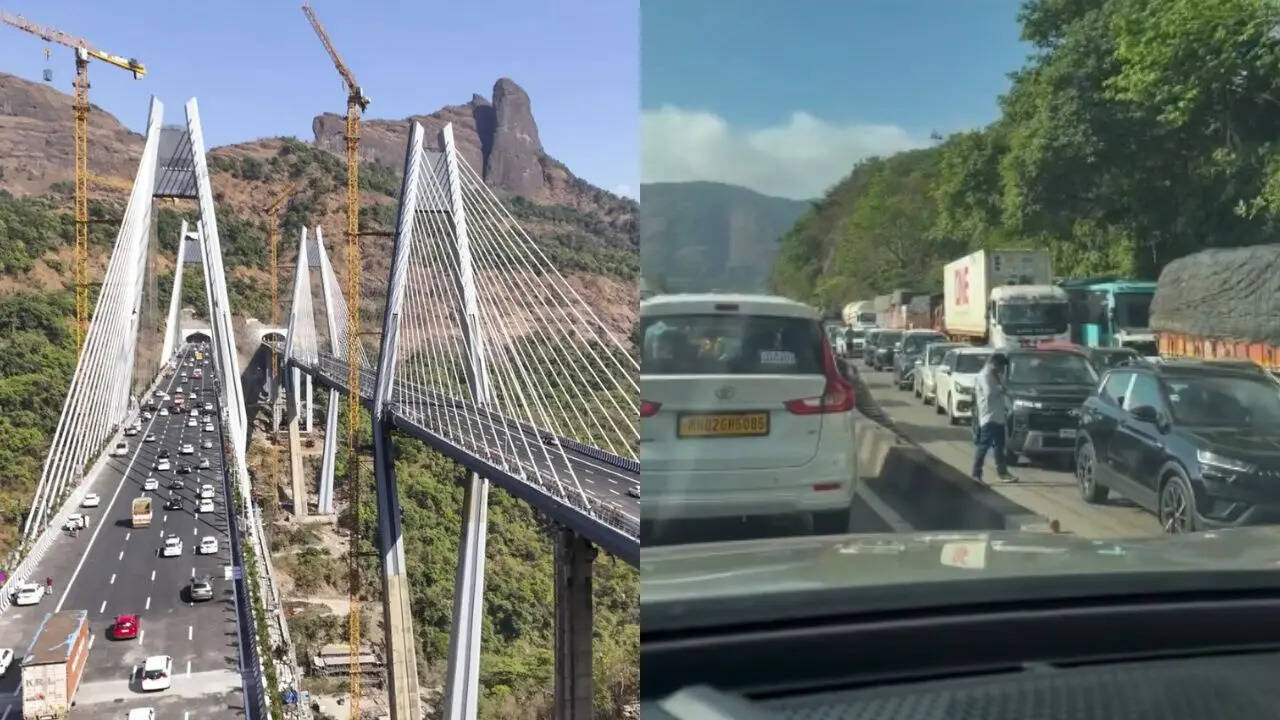
Despite the rapid pace of development, questions are being raised about whether essential services are keeping pace with large-scale infrastructure projects. Experts point to persistent gaps in healthcare infrastructure, mounting environmental pressures, and continued strain on the suburban railway system.
Concerns have also been flagged regarding the adequacy of basic civic services, even as investments pour into expressways and high-profile connectivity projects.
While Mumbai’s ongoing transformation promises to enhance connectivity and economic potential, urban planners emphasise the need for balanced development. Ensuring that investments also strengthen healthcare, sustainability measures, and everyday public services will be crucial in determining whether the city’s growth translates into improved quality of life for its residents.