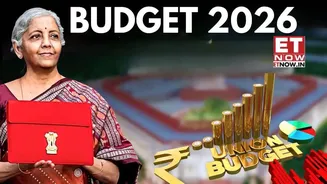





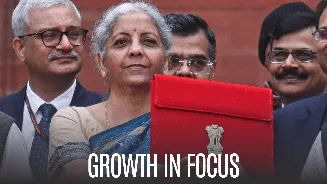


Finance Minister Nirmala Sitharaman is set to present her ninth consecutive Union Budget on Sunday, February 1. This presentation will bring Sitharaman closer to the record of 10 budgets that were presented
by former Prime Minister Morarji Desai over different time periods.
With just a few days till the Union Budget 2026, income taxpayers are bracing for significant decisions that might change the tax environment of the country. Following last year’s landmark relief under the new tax regime, the debate has switched to whether the old tax regime will be preserved, improved, or eventually phased out.
In the 2025 Union Budget, taxpayers were provided significant relief by making income up to Rs 12 lakh tax-free, increasing the standard deduction to Rs 75,000 and boosting the Section 87A refund to Rs 60,000. While these modifications altered tax consequences for those choosing the new regime, taxpayers under the old regime were unaffected—no changes to slabs, deductions, or exemptions.
As the Union Budget 2026 approaches, understanding the distinction between tax relief and tax rebate is essential.
Tax Relief Vs Tax Rebate
Both tax relief and tax rebates are designed to reduce your overall tax burden, but they operate differently and provide benefits at different stages of the tax filing process. Tax reliefs are deducted from your total annual income, while a tax rebate is applied after the tax is calculated.
What Is Income Tax Relief?
Income tax relief provides taxpayers with several alternatives to legally decrease their tax burden. These relief measures allow individuals to keep more of their hard-earned money while stimulating investment in vital economic areas. The Indian tax system offers numerous types of income tax relief through deductions, exemptions, and rebates under different sections of the Income Tax Act.
Who Can Benefit From Income Tax Relief?
Income tax relief is available to almost all Indian taxpayers. There are special relief options for first-time taxpayers, professionals, business owners, salaried workers, and older residents. Benefits offered are determined by factors such as:
- Investment options and financial commitments
- Income levels and tax brackets
- Housing and Property Investments
- Age and residence status
What Is The Income Tax Rebate Under Section 87A?
An income tax rebate is provided to taxpayers that allows them to reduce their total tax liability. It is the reduction in the amount of tax to the taxpayers by the government to promote savings and investment. A tax rebate essentially entails a reduction in the tax amount that individuals are required to pay.
Who Is Eligible For An 87A Rebate?
The Section 87A rebate applies to Indian residents depending on the tax regime you choose. This benefit cannot be claimed by non-resident individuals (NRIs), Hindu Undivided Families (HUFs), companies, or partnership firms.