





Uttarakhand Tourism has unveiled the Tons Valley as one of India’s most promising adventure tourism destinations, opening the doors to a region that combines world-class whitewater rafting, pristine Himalayan
wilderness, high-altitude trekking, rich biodiversity and authentic local culture.
The move shines a spotlight on a little-known corner of the western Himalayas that has long remained off the mainstream tourist map despite offering some of the most spectacular outdoor experiences in northern India.
For decades, adventure seekers heading to Uttarakhand have flocked to familiar names such as Rishikesh, Auli and Chopta. But nestled in the state’s far northwestern reaches, the Tons Valley presents something increasingly rare in modern travel: a landscape that still feels unexplored.
Where Is Tons Valley?
The Tons Valley lies in the upper reaches of Uttarkashi district and is named after the mighty Tons River, the largest tributary of the Yamuna.
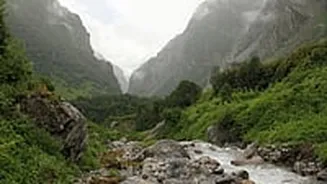
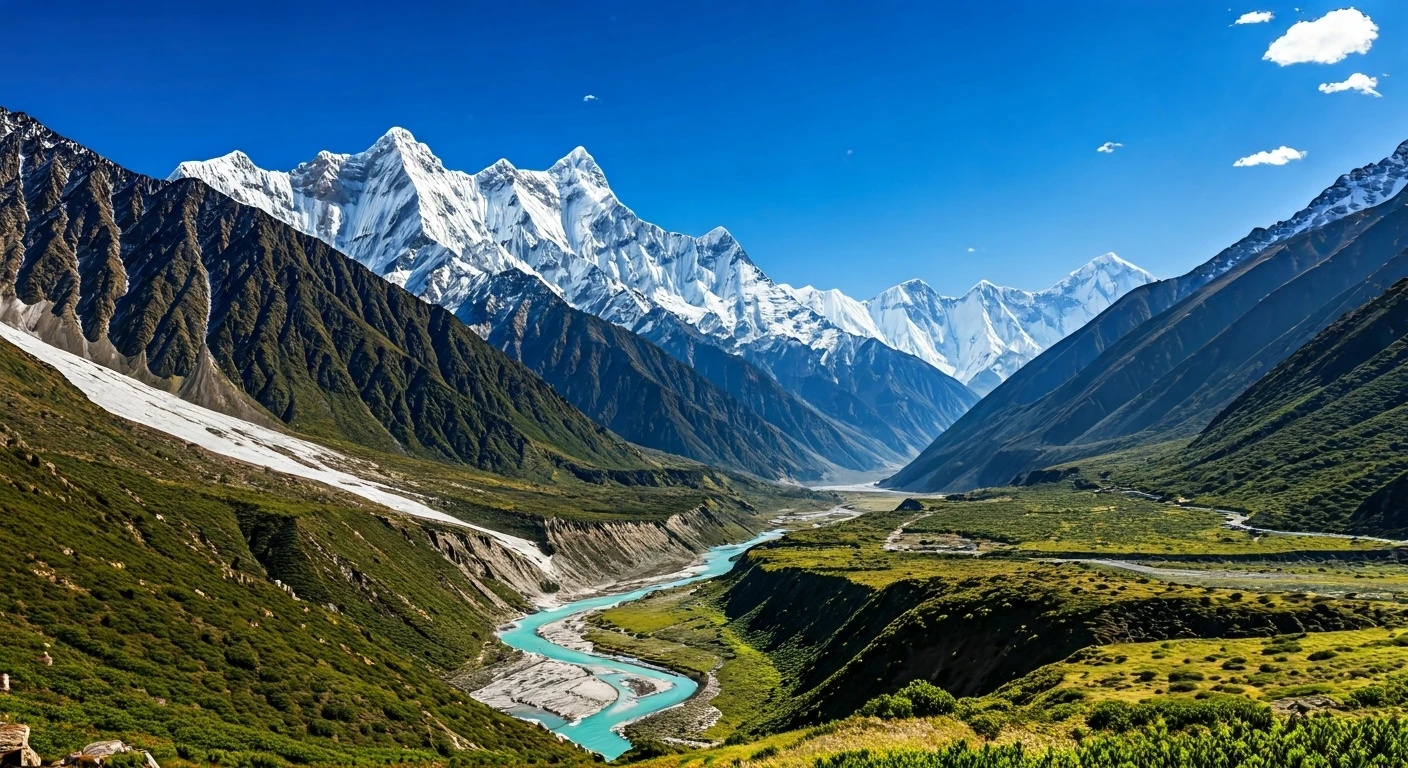
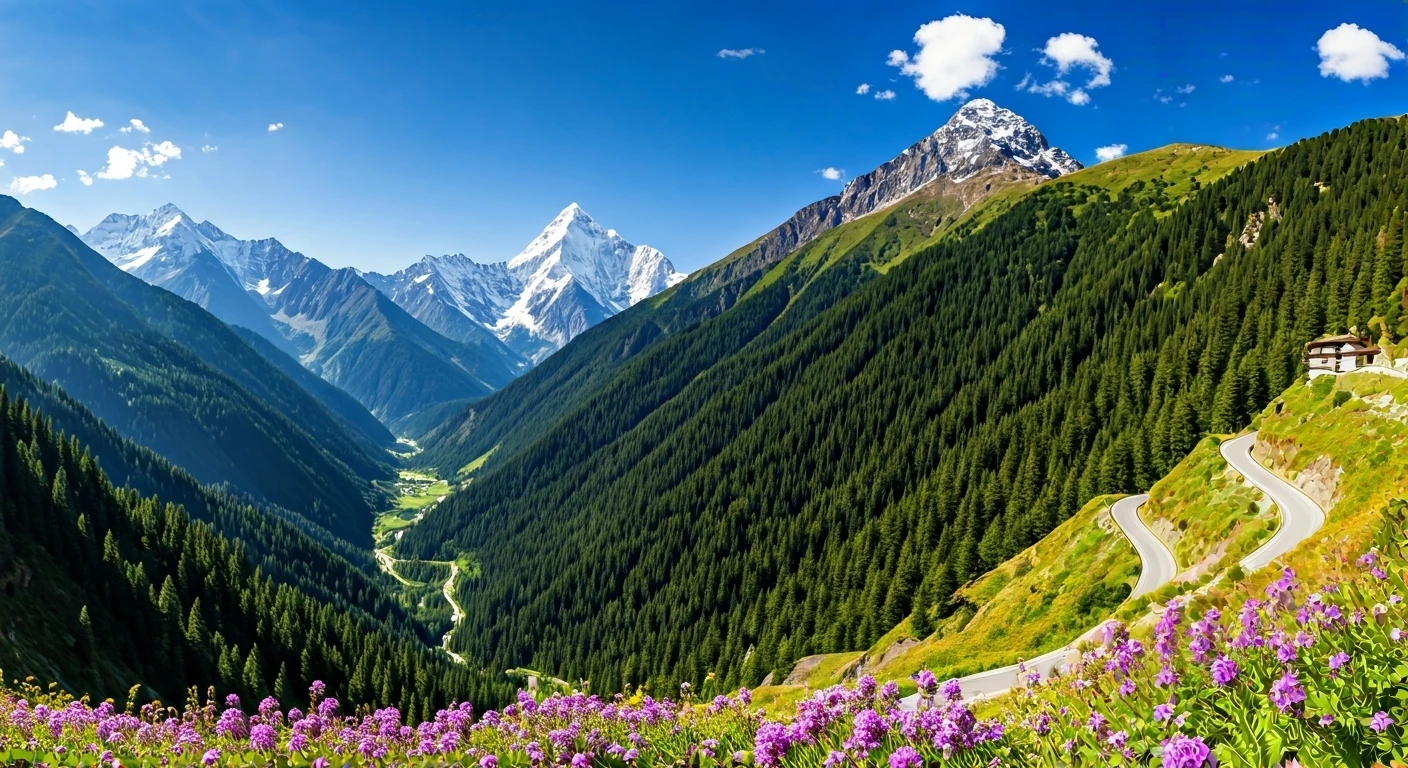
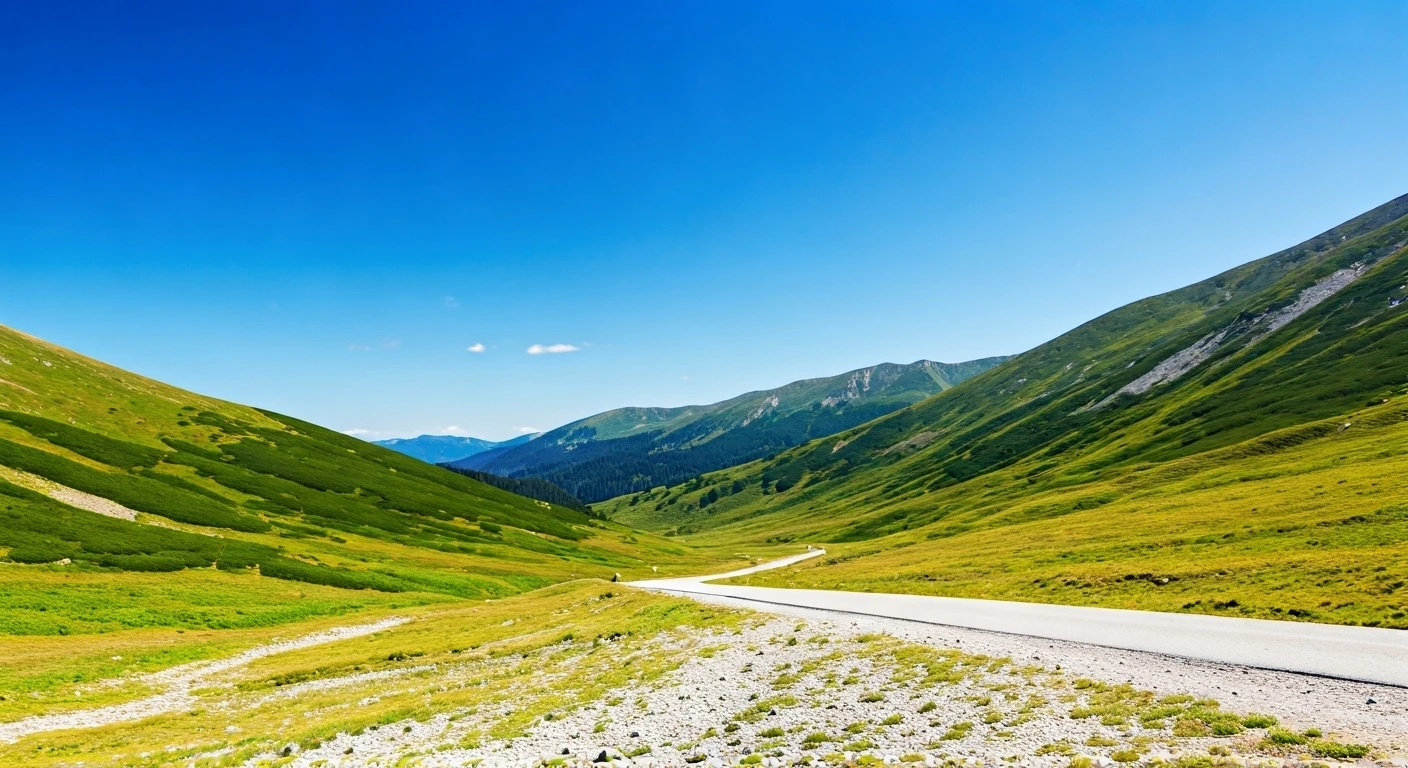
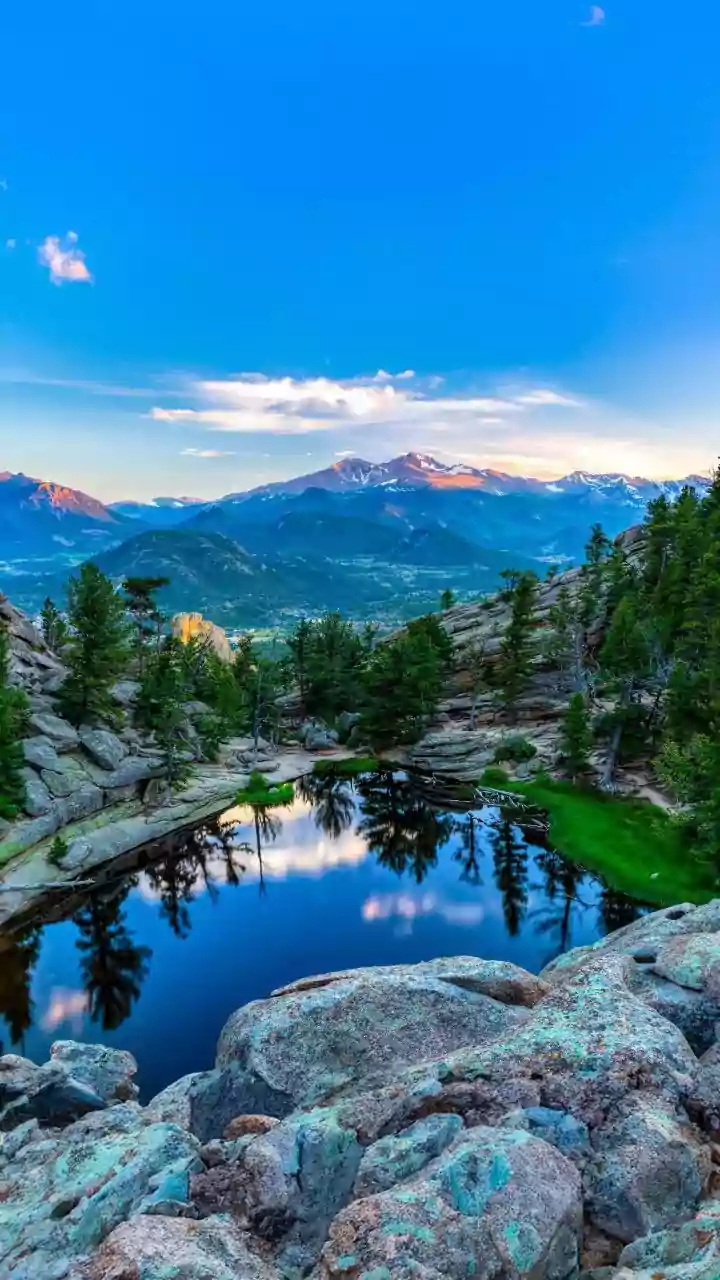
Surrounded by dense deodar forests, alpine meadows, remote Himalayan villages, and snow-clad peaks, the valley stretches across a rugged landscape bordering Himachal Pradesh.
Despite being only a few hours from Dehradun, it remains one of Uttarakhand’s least-visited regions.
The area encompasses destinations such as Mori, Netwar, Sankri, Osla and Kalap, villages that offer a glimpse into traditional mountain life while serving as gateways to some of the state’s most scenic trekking routes.
A Rafting Destination Waiting To Be Discovered
One of the valley’s biggest draws is the Tons River itself. Widely regarded by adventure operators as one of India’s finest whitewater rivers, it offers thrilling rapids that attract experienced rafters looking for challenges beyond the more commercial stretches of the Ganga.
The river cuts through deep gorges and forested landscapes, creating a rafting experience that combines adrenaline with dramatic Himalayan scenery.
The village of Mori, located on the banks of the Tons, has already earned recognition as a hub for rafting, fishing and trekking. According to Uttarakhand Tourism, water-based adventure activities remain among the region’s biggest attractions.
A Paradise For Trekkers
If rafting brings visitors to the valley, trekking is what makes them stay. The region serves as a gateway to several iconic Himalayan trails, including the Rupin Pass trek.
Beyond the established routes, visitors can explore alpine meadows, shepherd trails, dense forests and high-altitude grasslands that remain relatively untouched by mass tourism.
Researchers studying the Tons River basin have noted the area’s significant potential for trekking, camping and mountaineering, citing its snow-capped mountains, grasslands and remote villages as major assets for adventure tourism.
Adventure initiatives such as the recently completed Total Tons Expedition—which combined rafting, trekking and wilderness camping—have further highlighted the valley’s potential as a world-class outdoor destination.
Rich Biodiversity And Untouched Landscapes
Unlike many crowded mountain destinations, the Tons Valley remains remarkably pristine. The landscape is defined by ancient deodar forests, glacial streams, alpine pastures and river valleys that support a diverse range of Himalayan flora and fauna.
The wider Uttarakhand Himalayas are known for their rich biodiversity, and the Tons Valley forms part of this ecologically significant mountain ecosystem.
For nature enthusiasts, the region offers opportunities for birdwatching, wildlife observation and immersive wilderness experiences far removed from the bustle of commercial hill stations.
A Window Into Himalayan Culture
The appeal of Tons Valley extends beyond outdoor sports. Many villages in the valley have preserved cultural traditions, architecture, festivals and customs that have remained largely unchanged for generations.
Studies on the Tons River basin describe the area as a culturally rich landscape where local fairs, processions and traditional celebrations continue to play an important role in community life.
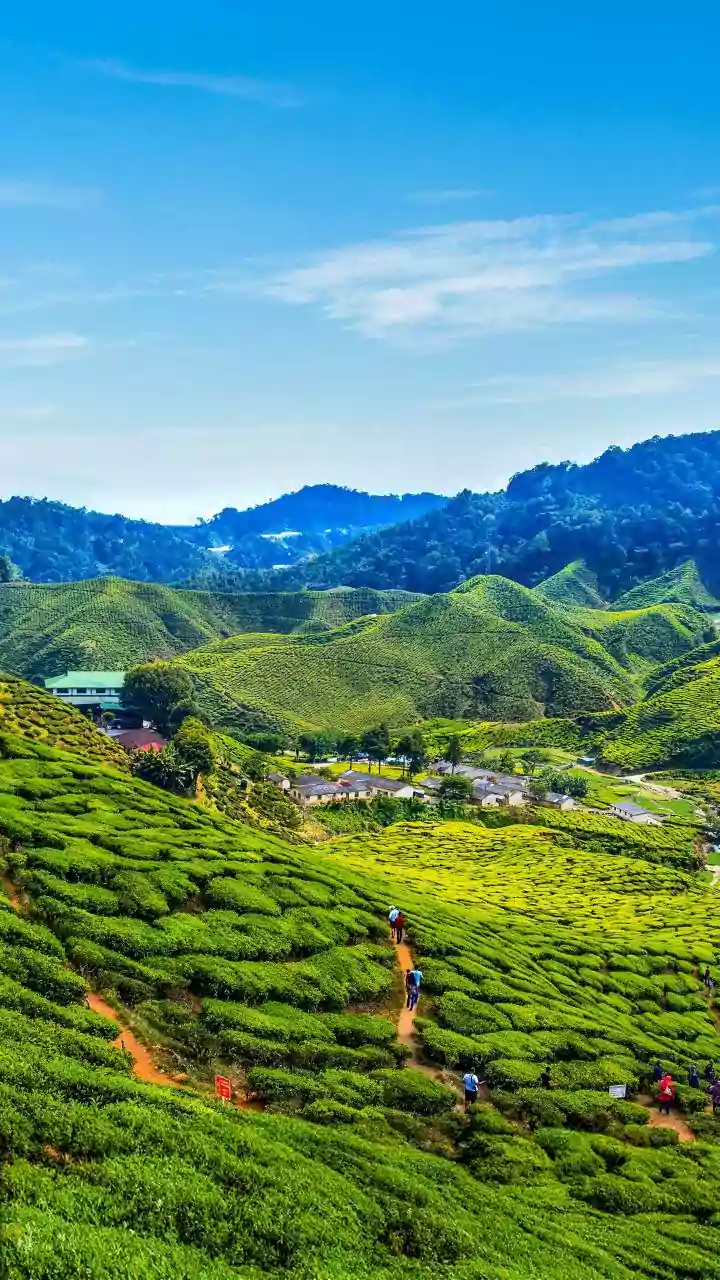
Villages such as Kalap have become examples of community-led tourism, where visitors stay with local families, experience regional cuisine and gain insight into mountain traditions. The village is known for its traditional Garhwali architecture and stunning views of the surrounding Himalayan ranges.
Why Tourism Officials Are Betting On Tons Valley
The unveiling of Tons Valley aligns with Uttarakhand’s broader push to expand beyond pilgrimage tourism and position itself as a leading adventure tourism destination in Asia.
State authorities have increasingly focused on promoting sustainable, low-impact tourism that generates livelihoods for local communities while protecting fragile mountain ecosystems.
Tourism experts believe the valley’s greatest strength lies in its balance of adventure and authenticity. Unlike destinations that have become heavily commercialised, Tons Valley still offers travellers the chance to experience untouched wilderness, meaningful cultural interactions and outdoor adventures in a single journey.
The Next Big Name In Indian Adventure Travel?
As travellers increasingly seek destinations that are less crowded and more immersive, Tons Valley appears perfectly positioned to meet that demand.
With its powerful river, dramatic trekking routes, rich biodiversity and vibrant mountain culture, the valley offers many of the ingredients that have transformed other Himalayan regions into tourism success stories. The difference is that Tons Valley is only beginning its journey.
For now, that means visitors can still experience a side of Uttarakhand that feels raw, authentic and largely undiscovered—a rarity in an age when hidden gems rarely stay hidden for long.