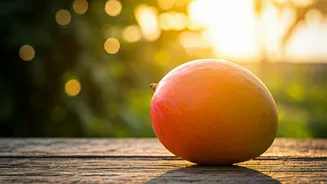






Every Indian knows that summers in the country is synonymus to mango season. The markets are brimming with this golden yellow fruit, and it is relished by people of all ages and communities. There are a variety
of mangoes that are grown in different parts of the Indian states and they each have a strong fan following. So it is safe to say that when mango was declared the king of the fruits, there are definately a reason for it.
Mango season is also the perfect time to go beyond the flesh and use every part of the fruit. Whether it is raw mangoes and its ripe flesh or its peels and even the pit, every part of the mango can be used in a unique way to make a delicious dish. In Indian kitchens, the mango is rarely wasted, and its versatility stretches from tangy savoury curries to sweet desserts, pickles, and innovative uses of the scraps.
Here are five ways to make the most of every mango, celebrating its sweet, sour, and fibrous gifts in classic Indian flavours.
Raw Mango Chutney & Achaar (Using Raw Mango Flesh)
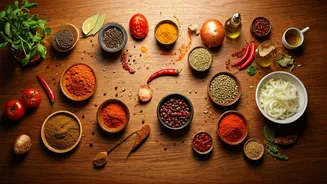
A classic use of unripe, green mango is the tangy, spicy chutney and pickle that brightens rice, parathas, and snacks. For a quick chutney, grate the raw mango, then grind it with green chillies, ginger, salt, sugar or jaggery, and a pinch of roasted cumin and black salt; finish with a tempered tadka of mustard seeds and curry leaves.
For achaar, chop the raw mango, mix with mustard oil, salt, and a spice blend of fenugreek, mustard, turmeric, and chilli, then leave it to mature in the sun. Both keep for weeks and turn a simple meal into a full‑flavoured plate.
Aam Panna or Aam Rasam (Using Raw or Ripe Flesh)
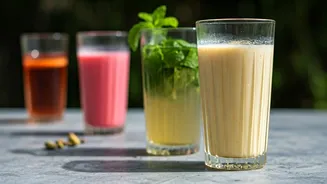
Aam panna, the cooling raw‑mango drink, is a summer staple across India: boil green mango pulp with water, strain, then add jaggery, roasted cumin, black salt, and mint. Serve with ice to beat the heat.
Aam rasam, on the other hand, uses ripe mango flesh simmered in a spicy, peppery rasam base of tamarind, pepper, and lentils, creating a light, tangy curry that aids digestion. Both use the fruit’s pulp generously, leaving nothing behind.
Mango Peel Sabzi or Raita (Using the Outer Peel)
Instead of discarding the peel, Indian home cooks often turn it into a savoury side dish or yoghurt‑based raita. To make a sabzi of the peel, boil the raw mango peels until soft, then sauté with cumin, asafoetida, red chilli, turmeric, and amchur for a tart, textural curry.
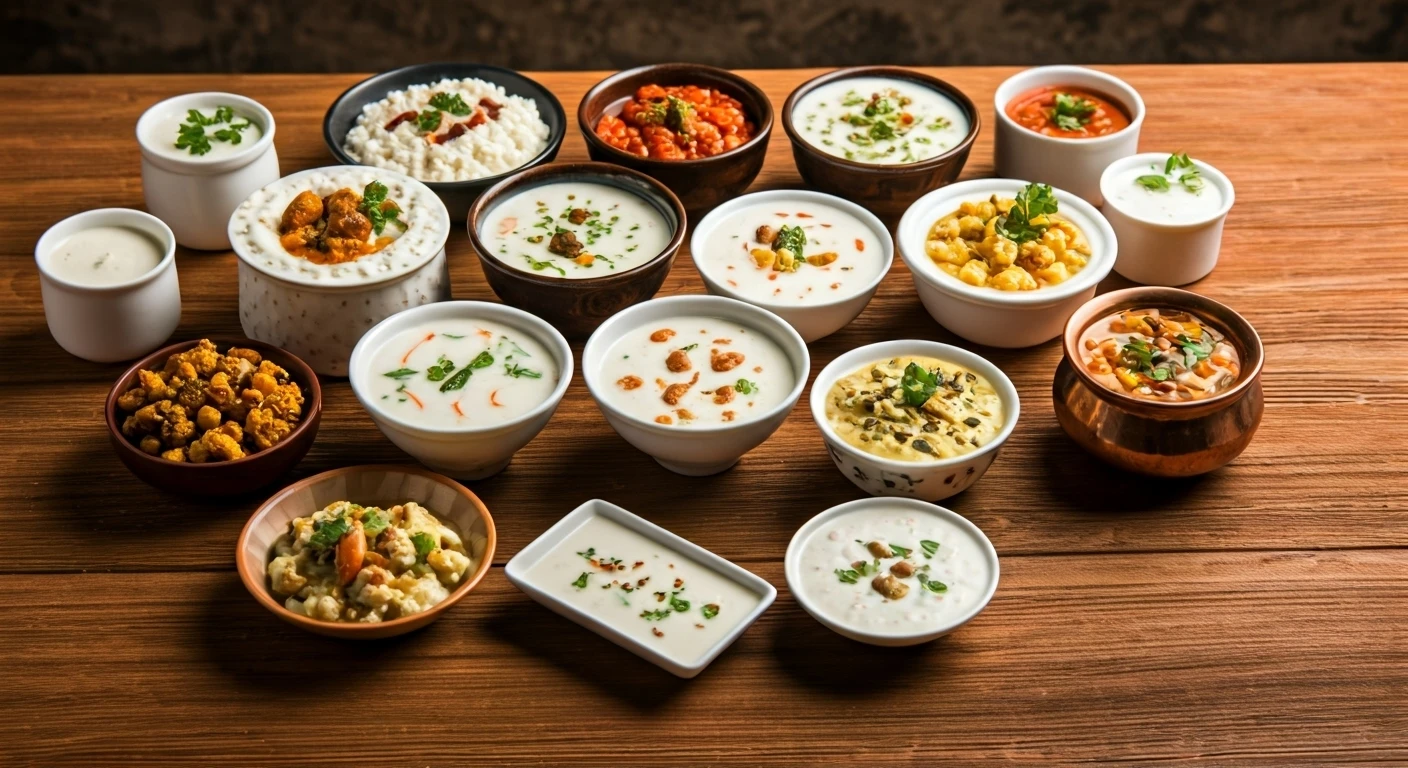
For a cooling raita, finely chop the boiled peels, mix with curd, black salt, roasted cumin, and a little sugar, then top with cucumber or carrot; the result is a refreshing, fibre‑rich accompaniment that uses what many would throw away.
Mango‑Pit Curries and Sweet‑Sour Sauces (Using the Pit Pulp)
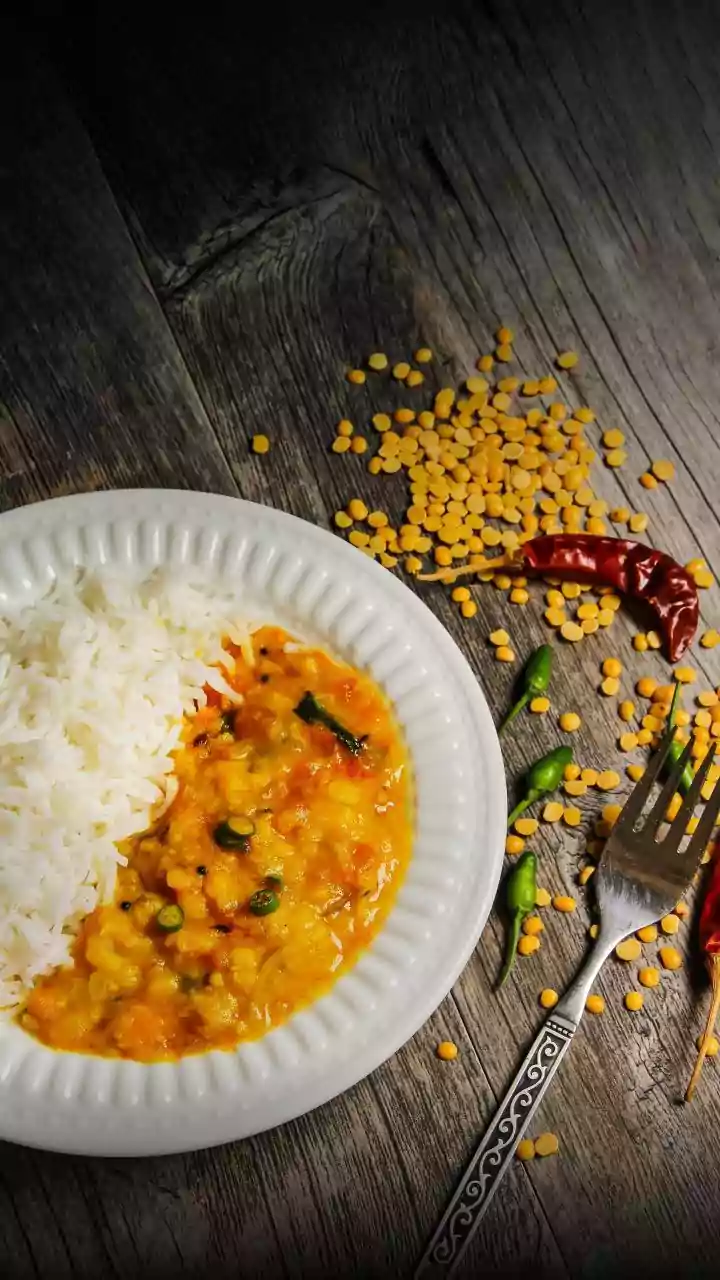
The fibrous pulp clinging to the mango pit is often collected and cooked into regional curries like Paaki keri na gotla nu shaak, which is a Gujarati‑style sweet‑sour dish where the pit residue is simmered with spices, jaggery, and tamarind. This stock can also be reduced into a tangy base for sauces or chutneys, adding a subtle, syrupy mango flavour to dal or rice without wasting the fruit’s concentrated juices.
Mango‑Infused Drinks and Desserts (Using Flesh, Peels, and Pits)
For desserts, ripe mango flesh is blended into lassis, kulfi, and milkshakes, often tempered with cardamom and saffron. Go creative by simmering the peels and pits with sugar and water to make a lightly coloured mango‑infused simple syrup, that can be used in drinks, sodas, or to sweeten custards and jellies.