





Bhai Dooj, one of the final celebrations of the Diwali festival, will be observed on Wednesday, November 11, 2026. Also known as Bhaiya Dooj, Yama Dwitiya and Bhau Beej, the festival celebrates the bond
between brothers and sisters.
On this day, sisters apply a ceremonial tilak on their brothers’ foreheads, perform an aarti and pray for their long life, happiness and prosperity. Brothers, in return, express their affection by giving gifts and spending time with their sisters.
Bhai Dooj 2026: Tilak Muhurat And Dwitiya Tithi
According to Drik Panchang, the auspicious Aparahna period for the Bhai Dooj tilak ceremony in Mumbai will be from 1:30 pm to 3:46 pm on November 11, lasting 2 hours and 16 minutes. The Dwitiya Tithi will begin at 2 pm on November 10 and end at 3:53 pm on November 11.
The festival is observed on the second day (Dwitiya) of the Shukla Paksha in the Hindu month of Kartika. The date can sometimes cause confusion because the lunar tithi begins on the previous calendar day. The observance is determined by the presence of Dwitiya during the prescribed afternoon period. Timings for the tilak ceremony vary by city, so devotees should check their local Panchang before performing the rituals.
Why Is Bhai Dooj Celebrated? The Story Behind The Festival
The significance of Bhai Dooj is traditionally associated with the story of Yama, the Hindu god of death, and his sister Yamuna. According to the popular legend, Yamuna welcomed her brother to her home with a tilak, performed an aarti and served him a meal. Pleased by her affection and hospitality, Yama granted her a boon that brothers who receive a tilak from their sisters on this day would be blessed with protection and long life. This is also why the festival is known as Yama Dwitiya.
Why Is Bhai Dooj Celebrated During The Diwali Period?
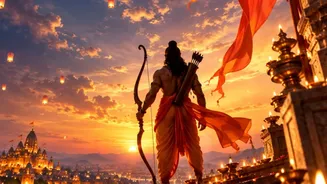
Bhai Dooj falls on the final day of the traditional five-day Diwali celebrations, following Dhanteras, Naraka Chaturdashi, Diwali and Govardhan Puja. While Diwali is associated with the victory of good over evil and the return of Lord Rama to Ayodhya in popular Hindu tradition, Bhai Dooj focuses on family relationships and sibling affection.
The festival is celebrated across India under different names. In Maharashtra and parts of western India, it is known as Bhau Beej; in West Bengal, it is called Bhai Phonta; and in Nepal, the related celebration is known as Bhai Tika. Although customs differ, the central tradition remains the same: sisters pray for their brothers’ well-being, while families come together to celebrate their bond.