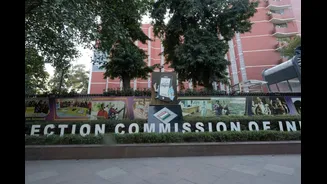






Tensions between the Election Commission of India (ECI) and the ruling All India Trinamool Congress (TMC) in West Bengal have intensified sharply, with both sides exchanging allegations over large-scale
administrative transfers in the run-up to the assembly elections.
The TMC has alleged that the ECI carried out a significant number of officer transfers, claiming that the moves have contributed to administrative disruption and on-ground incidents during the election period.
Responding to these allegations, ECI sources stated that the bulk of transfers were in fact initiated by the state government prior to the enforcement of the Model Code of Conduct. According to ECI data, between the start of the Special Intensive Revision (SIR) on October 27, 2025, and the announcement of elections on March 15, 2026, the West Bengal government transferred a total of 1,370 officers. The breakdown is as follows:
- IAS officers: 97
- IPS officers: 146
- West Bengal Civil Service officers: 1,080
- West Bengal Police Service officers: 47
ECI sources maintained that the commission’s subsequent interventions involved a relatively limited number of transfers and were intended to restore administrative neutrality and ensure preparedness for conducting free and fair elections.
The TMC, however, has contested this position. Party sources stated that the transfers undertaken by the state government were in line with ECI-prescribed criteria, which mandate the relocation of officials who have completed a certain tenure or are posted in their home districts. According to the party, any disruption is a direct consequence of implementing these guidelines.
The party has also called for transparency across states, demanding that similar transfer data from other election-bound states be made public to ensure parity and accountability.
The political rhetoric has further sharpened the confrontation. West Bengal Chief Minister Mamata Banerjee has repeatedly accused the ECI of acting in a partisan manner during campaign rallies, alleging bias in its decisions and actions.
In response, ECI sources have reiterated that all decisions—whether related to transfers, enforcement, or electoral processes—are guided strictly by the constitutional mandate to ensure free, fair, and impartial elections.
The current standoff marks a significant souring of the relationship between the commission and the state’s ruling party. What began as disagreements over the SIR process has now expanded into a broader institutional conflict, with the issue of bureaucratic transfers emerging as a central flashpoint.
With the election process underway, the dispute underscores deepening mistrust between the constitutional authority overseeing elections and a key political stakeholder in the state.