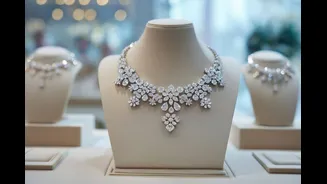




Diamonds are no longer reserved for grand occasions or heirloom vaults. In 2026, they are stepping into the rhythm of everyday life, styled, stacked, and reinterpreted in ways that reflect individuality
rather than convention. The modern diamond narrative is less about perfection and more about personality, where design, wearability, and self-expression take centre stage.
At the heart of this shift is a renewed appreciation for craftsmanship, one that looks to the past while embracing the present. As Namita Kothari, Founder, Akoirah by Augmont, explains, “One of the most defining design shifts in the diamond industry right now is the return of vintage-inspired aesthetics, but interpreted through a far more fashion-forward lens. We’re seeing renewed interest in old-world detailing: chunky gold settings, elongated silhouettes, old mine cuts, bezel settings, and newer experimental shapes like the moval, which blends the elegance of a marquise with the softness of an oval.”
This revival of heritage design is far from nostalgic. Instead, it is being reshaped into something contemporary and expressive. “Jewellery today is moving away from overly polished uniformity towards pieces that feel layered, storied, and rich in character. Consumers are gravitating towards designs that carry a sense of individuality and craftsmanship while still feeling contemporary in the way they’re styled. In many ways, 2026 is redefining modern luxury through personality-driven design rather than traditional ideas of perfection,” Kothari adds.
From Statement Pieces to Styled Collections
If the past was about singular, standout diamonds, the present is about curated collections that evolve with the wearer.
According to Ankita Kothari, MD, Anan Jewels, “Stackable rings, layered bracelets, and mix-and-match diamond pieces are becoming everyday essentials, allowing consumers to curate looks that transition seamlessly across occasions. The focus is moving from single statement pieces to thoughtfully built collections that reflect individual style.”
This layered approach is redefining how diamonds are worn—less formal, more fluid. It also reflects a growing confidence among consumers, who are increasingly experimenting with their jewellery choices.
“Consumers today are more confident and experimental in their choices and embracing designs that feel authentic to them. Jewellery is increasingly seen as a form of self-expression rather than just adornment,” she notes.
Adding to this evolution is the rising demand for colour. “A key highlight this year is the growing demand for rare coloured diamonds. Fancy yellows, blush pinks, and champagne tones are gaining popularity among those seeking something unique and expressive. Their rarity and character add a new dimension to traditional diamond jewellery,” Kothari explains.
At its core, this shift signals a broader change in mindset. “At Anan Jewels, we see 2026 as a year defined by personalisation and self-expression where diamonds go beyond being timeless investments to become evolving style statements that reflect and grow with the wearer’s journey.”
Everyday Diamonds, Elevated
The idea of diamonds as daily wear is no longer aspirational, it’s becoming the norm. As Ankit Gala, MD, Antara Jewellery, observes, “2026 is seeing a shift from occasional luxury to everyday expression in diamonds. While statement solitaires continue to hold emotional value, there’s a clear rise in stackable, modular pieces that allow women to style diamonds in a more personal and fluid way.”
This shift is not just about design, it’s about lifestyle. Diamonds are now expected to move with the wearer, adapting to different settings and moments with ease.
Designing for a New Consumer Mindset
Few understand this evolution better than Parag Lagu, Director, Lagu Bandhu, who has witnessed the transformation firsthand.
“Over the last couple of years, especially moving into 2026, we’ve seen a very clear shift in how Indian consumers are approaching diamond jewellery. Earlier, diamonds were largely occasion-driven weddings, milestones, investments. Today, it has evolved significantly,” he explains.
This evolution is most visible in how frequently diamonds are being worn. “At Lagu Bandhu, we are witnessing a strong move towards everyday diamond jewellery. Customers are looking for pieces that they can wear to work, while travelling, or even casually. The focus has shifted from just value to versatility how often can I wear this, and how well does it fit into their lifestyle.”
Design preferences are also undergoing a transformation. “From a design perspective, we’re seeing a clear departure from traditional round solitaires. Shapes like oval, pear, and elongated cushion cuts are gaining strong traction. Customers today want something that stands out subtly elegant, but not conventional.”
There is also a growing inclination toward mixing elements. “Diamonds are increasingly being paired with coloured gemstones like emeralds and sapphires to create a more distinctive look,” Lagu adds.
Layering and stacking continue to dominate, particularly in urban markets. “We see layering and stacking have become very prominent, especially in urban markets. Customers prefer buying multiple lighter pieces that they can mix and match, rather than investing in a single heavy piece.”
Even bridal jewellery is evolving. “Even in the bridal segment, there is a noticeable change. Brides today want jewellery that is lighter, more wearable, and can be reused beyond the wedding. Personalisation is also playing a big role whether it’s custom motifs or pieces that carry a personal story.”
Summing up the shift, Lagu notes, “Overall, the diamond jewellery market in India is becoming far more design-led and lifestyle-oriented. It’s no longer just about owning jewellery it’s about expressing individuality through it. And as a brand, our focus has been to evolve with this mindset while still staying true to our legacy of quality and trust.”
The Future of Diamonds: Personal, Fluid, and Expressive
What defines diamond jewellery in 2026 is not just how it looks but how it feels. It is lighter, more versatile, and deeply personal. Whether it’s vintage-inspired detailing, stackable silhouettes, or coloured stones that tell a story, the emphasis is clear: jewellery should reflect the wearer, not the occasion.
In this new era, diamonds are no longer just symbols of luxury, they are extensions of identity.